
By Isla Quinn
A brown paper bag. A scoop of sand. A tea candle. Set a few thousand of those along an adobe wall and a half-mile of road in Santa Fe turns amber. That is the Canyon Road Farolito Walk, held on Christmas Eve, and it is the best-known winter evening in a street that spent most of its life as something much quieter.
A farm lane first
The gallery street was a farm road. Canyon Road Arts, a local gallery association, says the neighborhood grew up as small farms along an old trail, and that the oldest surviving houses date at least to the 1750s, built by early Spanish settlers as modest two- or three-room homes. Each stood at the center of a family farm raising corn, wheat and vegetables on land beside the Santa Fe River. The same page says the Spanish built an irrigation canal, the Acequia Madre or “mother ditch,” shortly after founding Santa Fe in 1610, running parallel to Canyon Road and still in use. A block south, Acequia Madre Street follows it.
Firewood is part of the story too. The page says residents walked burros up the “Road of the Canyon” to gather wood, and the animals came back laden with split piñon. Hold onto that detail. It returns on Christmas Eve.
How it became an art street
According to the same page, professional artists had been visiting Santa Fe since the 1880s, and several of the first to settle came because the dry air helped with respiratory illness. Gerald Cassidy bought the house at 1000 Canyon Road in 1915 and is described as the first artist to live in the neighborhood permanently. Olive Rush, an illustrator, settled there after 1920 in a house already a century old.
The gallery era came late. The page says commercial life began along the lower half-mile in the late 1940s, and none of the first businesses was a gallery: restaurants, a grocery, a barber, plus craftspeople working in old houses and sheds. It names Artist’s Exchange, an art supply shop that also sold work, as the first gallery, in 1953. Then, in 1962, the city designated the road a “residential arts and crafts zone.” The page counts five new galleries that year, five in 1963 and six in 1964.
The count, and who is counting
Tourism Santa Fe, the city’s tourism body, describes Canyon Road today as a half-mile, tree-lined, pedestrian-friendly stretch with “the highest density of galleries in the US (100+).” Canyon Road Arts, in an essay posted in 2013, counts “more than 125 galleries, boutiques and restaurants” in six short blocks. One list is galleries, the other adds shops and restaurants, and they are years apart.
The Christmas Eve walk
The Canyon Road business association’s event page puts the Farolito Walk at sundown on Christmas Eve, with thousands of farolitos lighting gardens, courtyards and adobe walls. It describes the lanterns as paper bags, sand and tea candles. It also mentions small bonfires of piñon, called luminarias, street musicians, hot chocolate and warm biscochitos. Visitors walk Canyon Road, Acequia Madre and other east-side streets, many closed to cars and parking. Many businesses are closed that night, it adds, though some stay open.
The walk begins at sundown on December 24. For current details, see the Canyon Road business association’s event page.
Farolito or luminaria
The names are argued over. The National Park Service says that north of Santa Fe, “farolito” means the paper lantern and “luminaria” means the small stack of wood that is burned, while south of Santa Fe the paper lanterns are called luminarias. The New Mexico tourism department says the same about northern usage and adds that both names are used today and shift “by region, family, community, and culture.” Farol is Spanish for lantern; luminaria means “illumination.”
Here is where the burros come back. The Park Service says that before the square-bottomed paper bag was patented in 1872, people stacked piñon bark and dry wood into small bonfires along roads. The state tourism department says flat-bottomed bags became widely available in the late nineteenth century, and that New Mexicans filled them with sand and added a candle. The two sources are close but not identical on dates: one gives a patent year, the other a general period. Our reading: the lantern is a newer object than the fire, and the fire is the tradition it replaced.
The Park Service also quotes The Weekly New Mexican of January 2, 1864: “As the natural darkness of night sets in, the whole city and suburbs around light up with a blaze of light.” It says the Rio Grande valley custom “may have originated” in 1590, when bonfires guided a scout back to camp.
What kind of sources these are
A gallery association’s history essay, a city tourism body, a federal park service article, a state tourism department and a business association’s event page. We read no museum or archive page, so hours, parking and transport are left out.
What we left out
The older Indigenous history of the trail, which the sources touch only in passing. Living gallery owners and artists. Real estate, prices and gallery listings. The religious meaning of Christmas Eve customs.
Quick answers
When is the Canyon Road Farolito Walk? According to the Canyon Road business association, it begins at sundown on Christmas Eve, December 24.
What is a farolito? The National Park Service describes a paper bag part-filled with sand and holding a lit tea candle. North of Santa Fe it is called a farolito; south of it, a luminaria.
How many galleries are on Canyon Road? Tourism Santa Fe says 100 or more along a half-mile stretch. Canyon Road Arts counted more than 125 galleries, boutiques and restaurants in 2013.
Related on this site: down-jacket-fill-power-label-guide, sterling-silver-925-marks-ftc-guide, candy-cane-keller-machine-albany-georgia
Roam first. Shop later.
Shop Sephari Picks
As an Amazon Associate we earn from qualifying purchases. Some items below are sponsored affiliate products.
 Wanderer Leather Trolley Suitcase
$350.00
 Leather Carry-On Trolley Bag
$499.00
 The Peterson Leather Duffle
$140.00
Ad
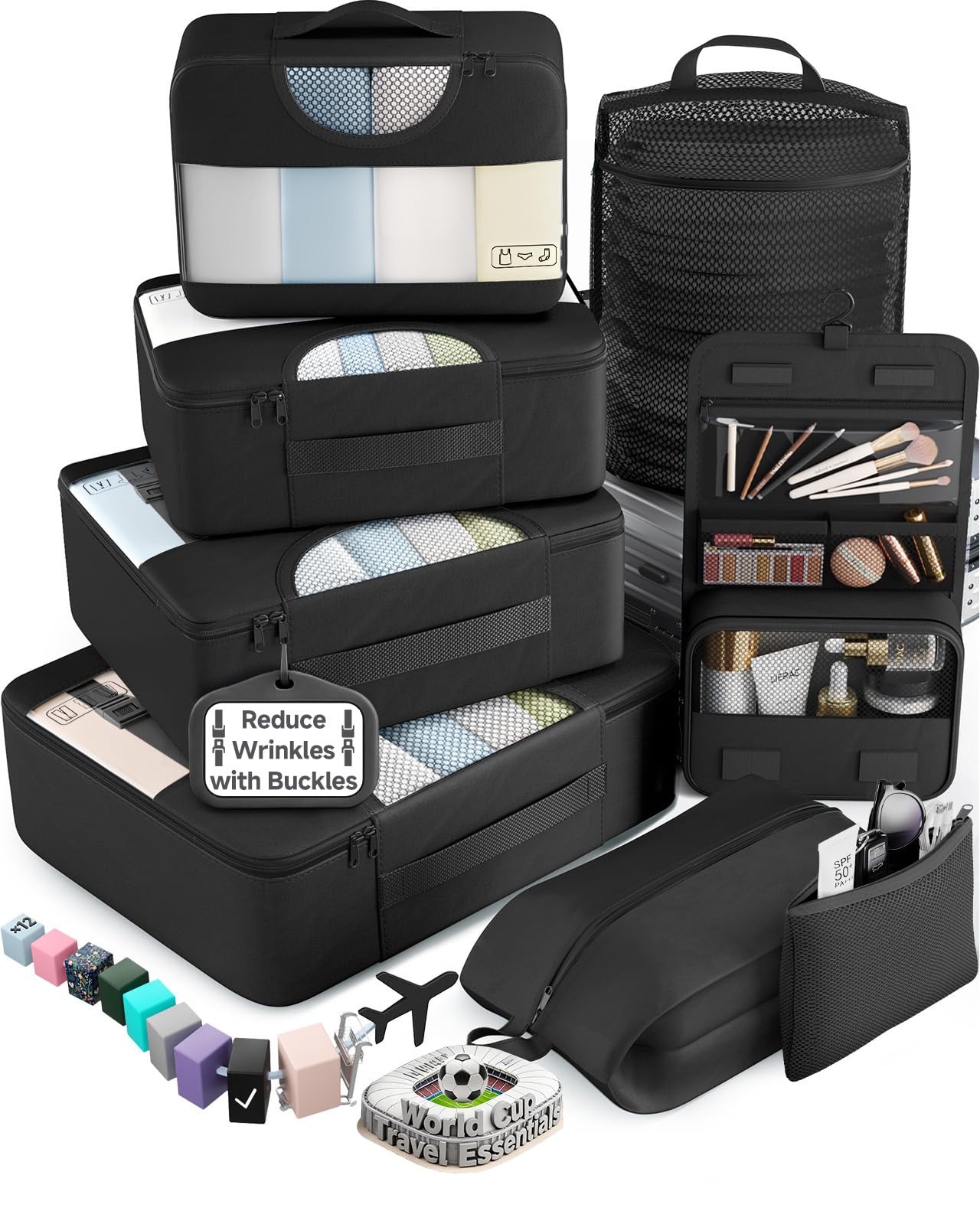 Veken 8-Set Packing Cubes for Travel
on Amazon
 Tan Leather Trolley Bag 44L
$240.00
 Traveler Weekender Duffle
$120.00
 Walker Leather Weekender Bag
$130.00
Ad
 Ringsun Genuine Leather Luggage Tags (2-Pack)
on Amazon
 Nocona Hiker Men's Belt
$42.00
 Waterline Braided Belt
$35.00
 Teddy Cattleman Cowboy Hat
$156.00
Ad
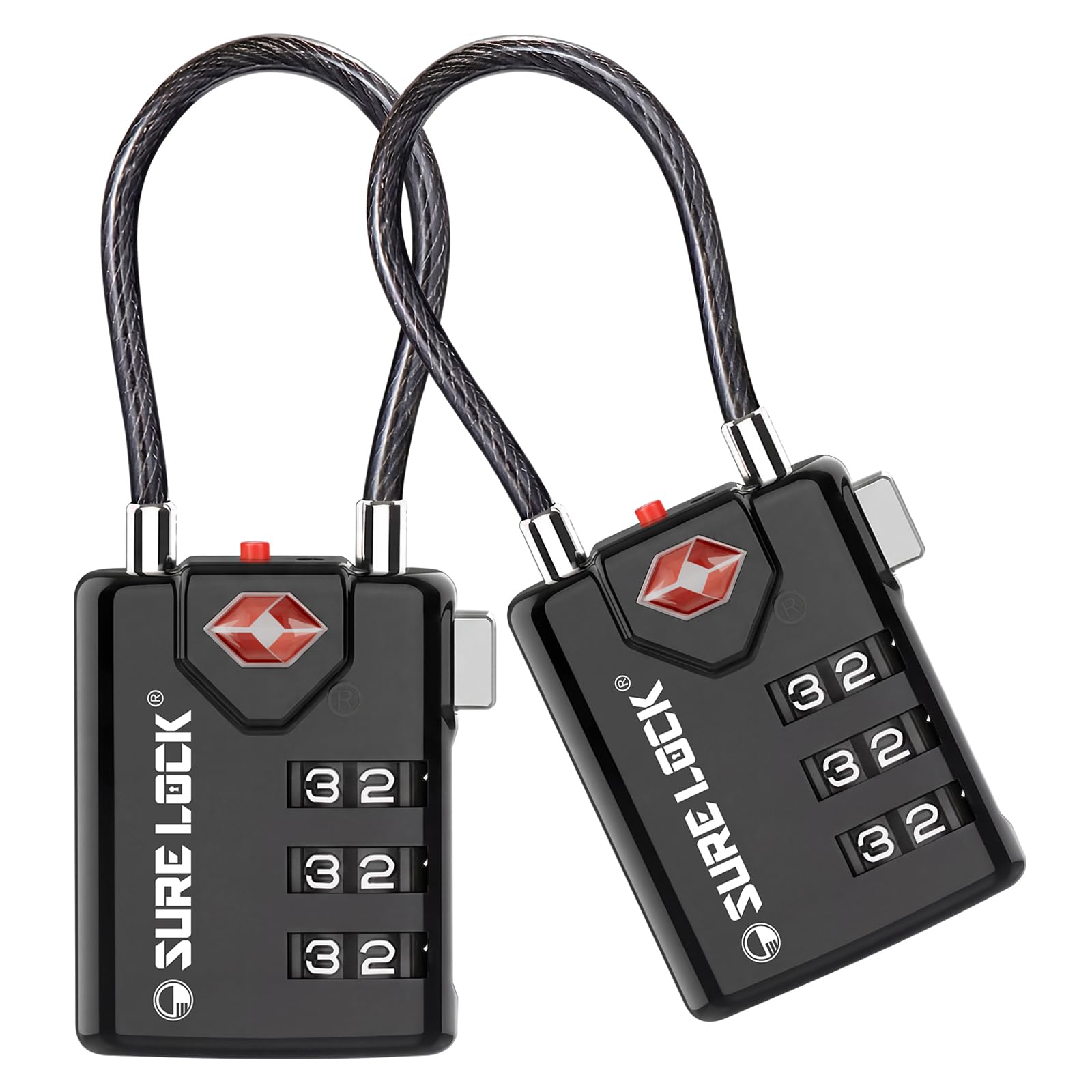 SURE LOCK TSA-Approved Luggage Locks (2-Pack)
on Amazon
 The Sierra Satchel
$59.99