
By Ines Keane
Look at the back of a silver ring or the clasp of a bracelet, and you will often find three digits: 925. They are a claim about purity, and in the United States the words that go with them are fenced in by federal guidance. Gift season is when most people meet those marks, so here is what the two federal sources we read actually say, and where they stop.
Sterling, and the number behind it
The Federal Trade Commission’s consumer advice page on buying platinum, gold and silver jewelry, dated November 2024, says the words “silver,” “sterling” and “sterling silver” describe products that contain 92.5 percent pure silver. Silver products are sometimes marked 925, which it explains as 925 parts per thousand pure silver. The same page says items marked “coin silver” are 90 percent pure silver.
The Code of Federal Regulations, in Part 23 of Title 16 (the Jewelry Guides), puts it in the same figures. Section 23.5 says it may be unfair or deceptive to use “solid silver,” “Sterling Silver,” “Sterling” or “Ster.” unless a product is at least 925/1,000ths pure silver, and to use “coin” or “coin silver” unless it is at least 900/1,000ths. The text calls itself a set of guides, and we are not offering legal advice.
Our reading: both sources give the same two thresholds, so the figures on a tag are easy to check against each other. What the tag cannot show is whether the metal was tested.
An unqualified “silver”
Section 23.5 adds a rule that surprises people. According to the regulation text, an unqualified “silver” mark needs an equally conspicuous fineness designation in parts per thousand right before it, such as “750 silver.” So a bare “silver” with no number is among the marks the Guides list as potentially misleading.
Tolerance, and solder
The regulation also mentions that these rules are subject to tolerances under the National Stamping Act. A footnote gives four parts per thousand for sterling articles without solder, and ten parts per thousand with solder. Our reading: a piece stamped 925 may fall a few parts short of 925 and still sit inside the tolerance. The tolerance figures are in the footnote to section 23.5 on the eCFR (16 CFR Part 23, current as of October 8, 2026).
Plate is a different word
The FTC page says some jewelry described as “silver plate” has a layer of silver applied to a base metal. Section 23.5 says a product can be described as plated or coated with silver only if all significant surfaces carry a plating of reasonable durability, and that a plated item described only as “silver” must be adequately qualified to show it is coated. A note adds that the National Stamping Act bars silver-plated articles from being stamped “sterling” or “coin,” alone or with other words.
That leaves a simple test for a label: if the word is “plate,” “plated” or “coated,” the thing under the surface is something else. The sources do not say what, and neither do we.
Whose name is on the mark
The consumer page says that, by law, silver items must also show the name or the U.S. registered trademark of the company or person standing behind the mark. The regulation’s wording is a little different. A note under section 23.10 says that under the National Stamping Act, the person who applies a gold or silver quality mark must also apply their trademark or name. The consumer page says “name or U.S. registered trademark,” the regulation says “trademark or name.” The practical point is the same: a quality mark with no one behind it is a warning sign. For gold, the FTC page goes further and says that if there is a karat mark with no trademark, “don’t buy it.” It does not say that for silver.
If the silver is under gold
The FTC page describes vermeil as a gold-plated product with a base of sterling silver. Under section 23.4 of the eCFR text, vermeil needs a sterling base, gold of at least 10 karat on all significant surfaces, and a minimum thickness equal to 2.5 microns of fine gold. The consumer page also lists “gold flashed” and “gold washed” as terms for a very thin electroplating that wears away faster. It advises asking the seller what they mean by it.
Side by side
- “Name or U.S. registered trademark” (FTC consumer page) against “trademark or name” (regulation note).
- 92.5 percent (consumer page) and 925/1,000ths (regulation) for the same sterling threshold.
- Coin silver as 90 percent and 900/1,000ths, respectively.
Questions a buyer would ask
Is 925 the same as sterling? According to both sources, yes, in figures. Does a “925” stamp guarantee a test? Neither source says so. Where do I report a problem? The FTC page points to the FTC’s fraud-reporting service and a state attorney general, and mentions a mediation program run by the Jewelers Vigilance Committee.
What kind of sources these are
The Federal Trade Commission’s consumer page (November 2024) and the federal regulation as printed in the eCFR, 16 CFR Part 23, sections 23.4, 23.5 and 23.10, current as of October 8, 2026. Both come from the same government family, and neither is a lab test or a maker’s statement. We read no hallmark history and no maker’s own page.
What we left out
Prices, grading of gold, platinum rules, pewter and flatware, antique marks and brand names. We also left out foreign hallmark systems, which differ from US rules.
Quick answers
What does 925 mean on silver jewelry? According to the Federal Trade Commission, it means 925 parts per thousand are pure silver, the same as 92.5 percent, which is what “sterling” means.
What is coin silver? The FTC says “coin silver” is 90 percent pure silver, and the federal Jewelry Guides set the minimum at 900/1,000ths.
Can silver-plated jewelry be called sterling? No, according to a note in the federal Jewelry Guides: the National Stamping Act bars silver-plated articles from being stamped “sterling” or “coin.”
Related on this site: canyon-road-santa-fe-farolito-walk, down-jacket-fill-power-label-guide, candy-cane-keller-machine-albany-georgia
Roam first. Shop later.
Shop Sephari Picks
As an Amazon Associate we earn from qualifying purchases. Some items below are sponsored affiliate products.
 Wanderer Leather Trolley Suitcase
$350.00
 Leather Carry-On Trolley Bag
$499.00
 The Peterson Leather Duffle
$140.00
Ad
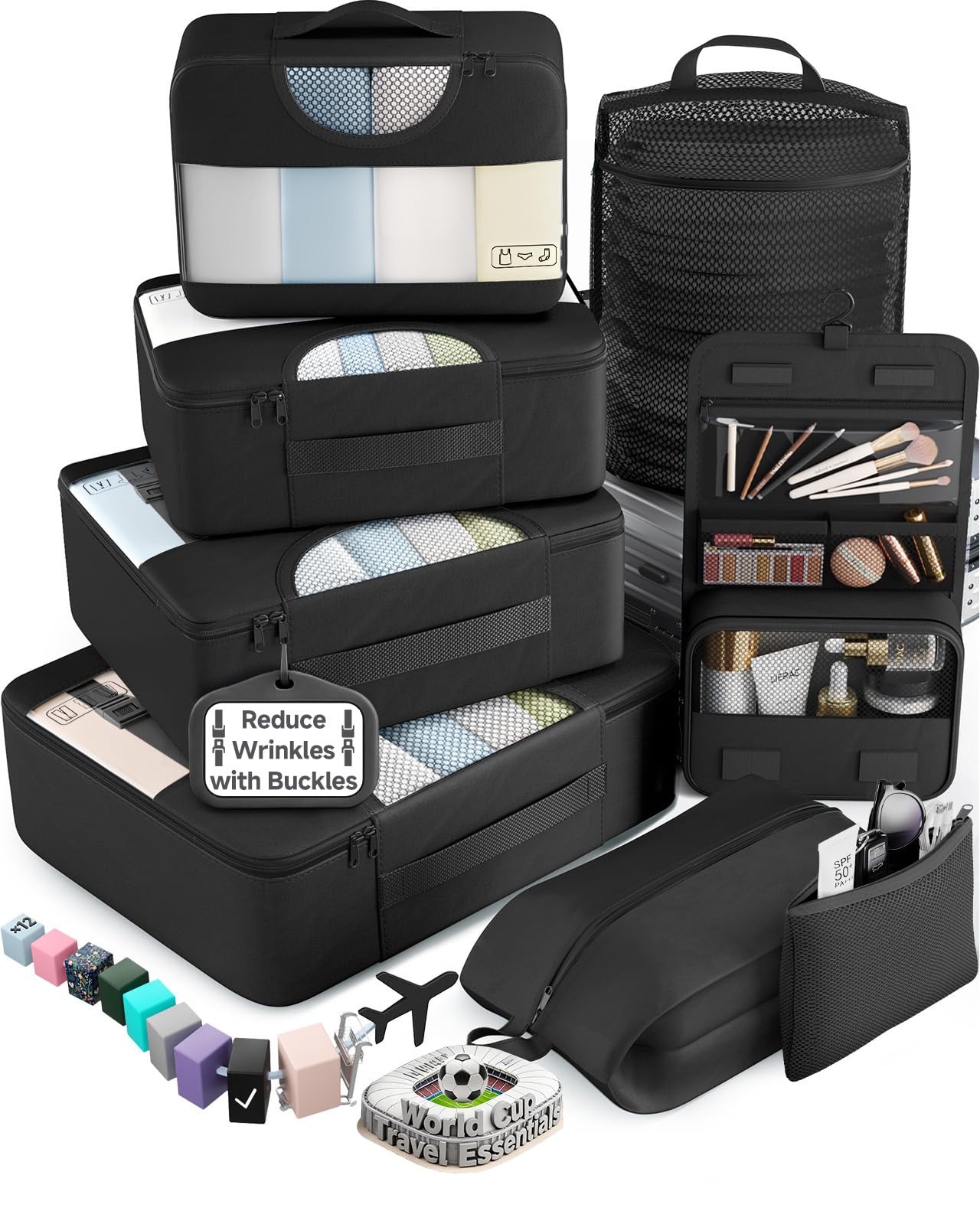 Veken 8-Set Packing Cubes for Travel
on Amazon
 Tan Leather Trolley Bag 44L
$240.00
 Traveler Weekender Duffle
$120.00
 Walker Leather Weekender Bag
$130.00
Ad
 Ringsun Genuine Leather Luggage Tags (2-Pack)
on Amazon
 Nocona Hiker Men's Belt
$42.00
 Waterline Braided Belt
$35.00
 Teddy Cattleman Cowboy Hat
$156.00
Ad
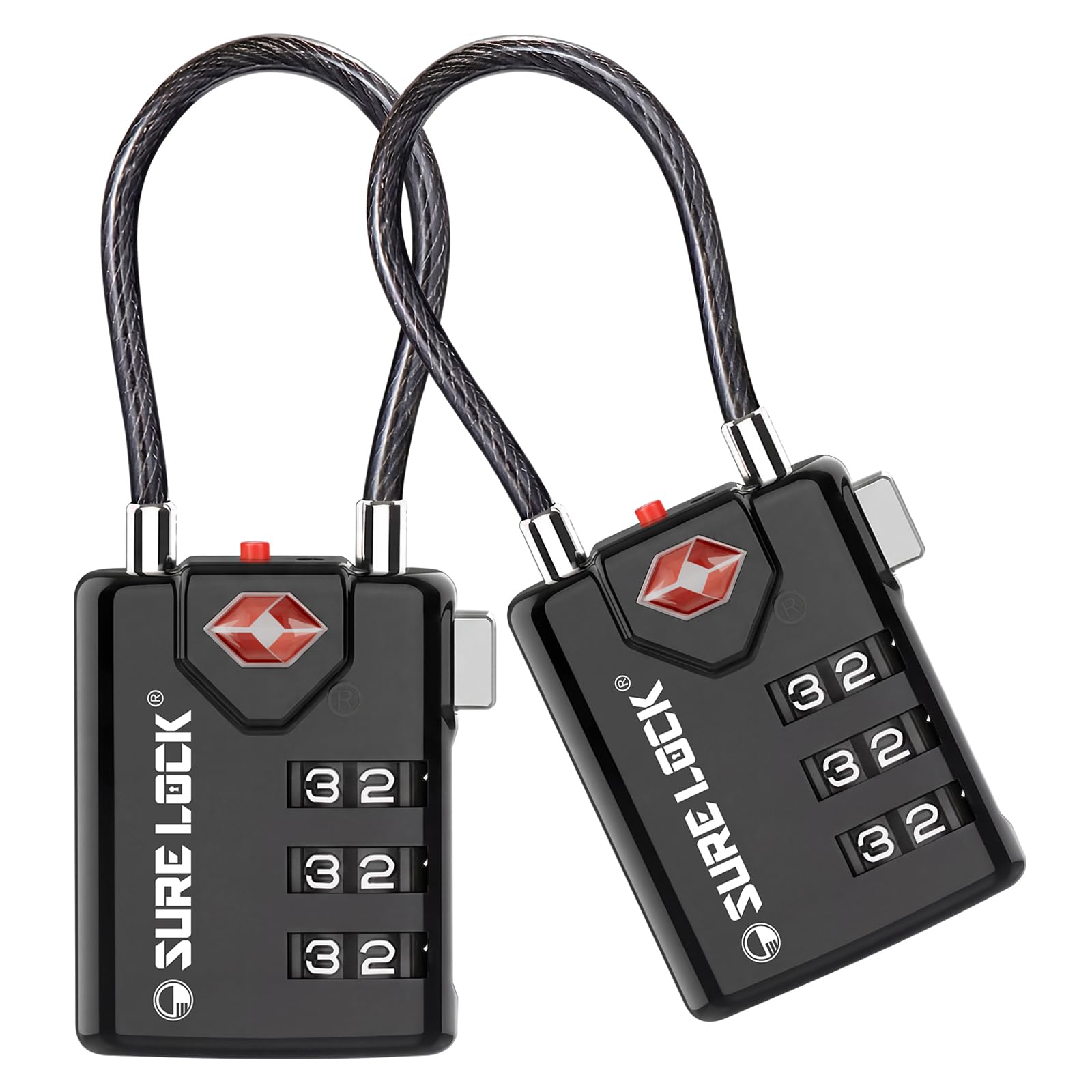 SURE LOCK TSA-Approved Luggage Locks (2-Pack)
on Amazon
 The Sierra Satchel
$59.99