
By Porter Lang
Eight hundred. The number sits on hangtags and sleeping-bag labels, usually beside the word “fill,” and shoppers tend to read it as a warmth score. It is not one. Three sources agree on that, and they differ on the details that matter.
What the number measures
REI, a retail co-op, explains fill power as a lab figure for how many cubic inches of loft one ounce of down produces. In its description of the test, one ounce goes into a large cylinder, a lightly weighted disk is lowered on top, and after exactly one minute the disk’s position is recorded. A result of 450 cubic inches is 450-fill-power down. REI says 900 is “about as good as down gets.”
Allied Feather + Down, a down supplier, describes the same idea in slightly different units. On its own testing page, fill power is “most commonly measured in cubic inches per 30g of down.” Thirty grams and an ounce are close, not identical.
What the number does not measure
REI is blunt here. Fill power “does not tell you how warm a jacket or a sleeping bag will be,” it says, because other factors matter, including how much down is in the garment. Its example: a 900-fill jacket with only 30 grams of down will not be warmer than a 450-fill jacket holding 100 grams. In theory, 50 grams of 900-fill matches the warmth of 100 grams of 450-fill and packs to about half the space. REI adds that very few makers publish fill weight.
Allied goes further, from the supplier’s side. It says there is no industry standard for testing insulation warmth, and that the common warmth measure, CLO, can mislead when numbers from different labs are compared. Its conclusion is that the question “Will 800 fill power be warm enough for …” cannot be answered without knowing the whole product. REI makes a related point: a temperature rating on a jacket would not be meaningful, though backpacking sleeping bags carry ISO ratings.
Our reading: the number tells you how efficiently a given weight of down fluffs up, so it matters most for packability and weight. For a winter coat bought to stand at a bus stop, fill weight, baffle design and shell matter at least as much.
How the test can move
The lab matters, too. Allied says the dominant method is the IDFB or US one, where down is steam-conditioned, rested, placed in the cylinder and agitated three times before the final reading. It says the European (EN) method once allowed several conditioning routes, which gave inconsistent results, and that steam conditioning has since been approved so the two methods now agree more closely. European brands sometimes print the figure as “CUIN,” and the supplier says 700 fill power equals 700 CUIN. It also warns that mishandling during pre-conditioning could shift a result by more than 100 points.
IDFL, a down and feather testing laboratory, says a 5 percent testing tolerance is reasonable for fill power if conditioning and climate are identical, and that steam became the official IDFB method in June 2006. Our reading: 5 percent of 800 is 40, so a printed 800 and a second lab’s result can honestly differ by about that much.
The other number: what counts as “down”
The fill figure sits beside a content claim, and here the laws differ by country. According to Allied, down is specified primarily by cluster percentage, with fill power added “usually” for marketing, and goose is named only when it qualifies, while duck down or a blend is usually just called “down.” It says the US standard is the strictest, requiring at least 95 percent goose to label something goose down, where Europe can go as low as 85 percent.
IDFL gives a worked example. A label reading “80% goose down” needs, by country: zero tolerance in the USA (it must have 80 percent down cluster), a minimum of 71.43 percent in Europe, 77 percent in Japan, 68 percent in Australia under an old standard, and 60 percent in Canada. IDFL also notes a normal species-test tolerance of plus or minus 5 percent, and that the most common mix is about 10 percent duck in a goose sample.
Dates in order
- June 2006: steam becomes the official IDFB fill-power conditioning method, according to IDFL.
- Later, according to Allied, the European method approved steam conditioning too; it gives no year.
Side by side
- One ounce (REI) against 30 grams (Allied) as the test sample.
- 95 percent goose in the US against as low as 85 percent in Europe (Allied).
- 80 percent claimed: zero tolerance in the US, 71.43 percent minimum in Europe (IDFL).
Questions a buyer would ask
Is 900 always better than 800? Only for loft per ounce. REI says to weigh how much weight and bulk matter to you. Can I tell the warmth from the tag? Not from fill power alone. What should I look for on the label? A content percentage, the species if named, the fill power, and, when the maker publishes it, the fill weight.
What kind of sources these are
A retail co-op’s advice page, a down supplier’s testing page and a testing laboratory’s explainer. Two of the three have a commercial interest in down. We read no federal rule and no maker’s own tag, and we do not know which method any given tag used.
What we left out
Animal-welfare and traceability claims, care and washing advice, synthetic insulation comparisons, brand names and prices. Some of those pages were thorough, but they belong in a separate piece.
Quick answers
What does 800 fill power mean? According to REI, it is a lab result: one ounce of that down fills about 800 cubic inches. It measures loft, not warmth.
Does higher fill power mean a warmer jacket? Not by itself. REI says a 900-fill jacket with little down can be less warm than a 450-fill jacket with more.
Why do down labels differ by country? A testing laboratory, IDFL, says “80% goose down” needs zero tolerance in the US but only 71.43 percent in Europe.
Related on this site: canyon-road-santa-fe-farolito-walk, sterling-silver-925-marks-ftc-guide, candy-cane-keller-machine-albany-georgia
Roam first. Shop later.
Shop Sephari Picks
As an Amazon Associate we earn from qualifying purchases. Some items below are sponsored affiliate products.
 Wanderer Leather Trolley Suitcase
$350.00
 Leather Carry-On Trolley Bag
$499.00
 The Peterson Leather Duffle
$140.00
Ad
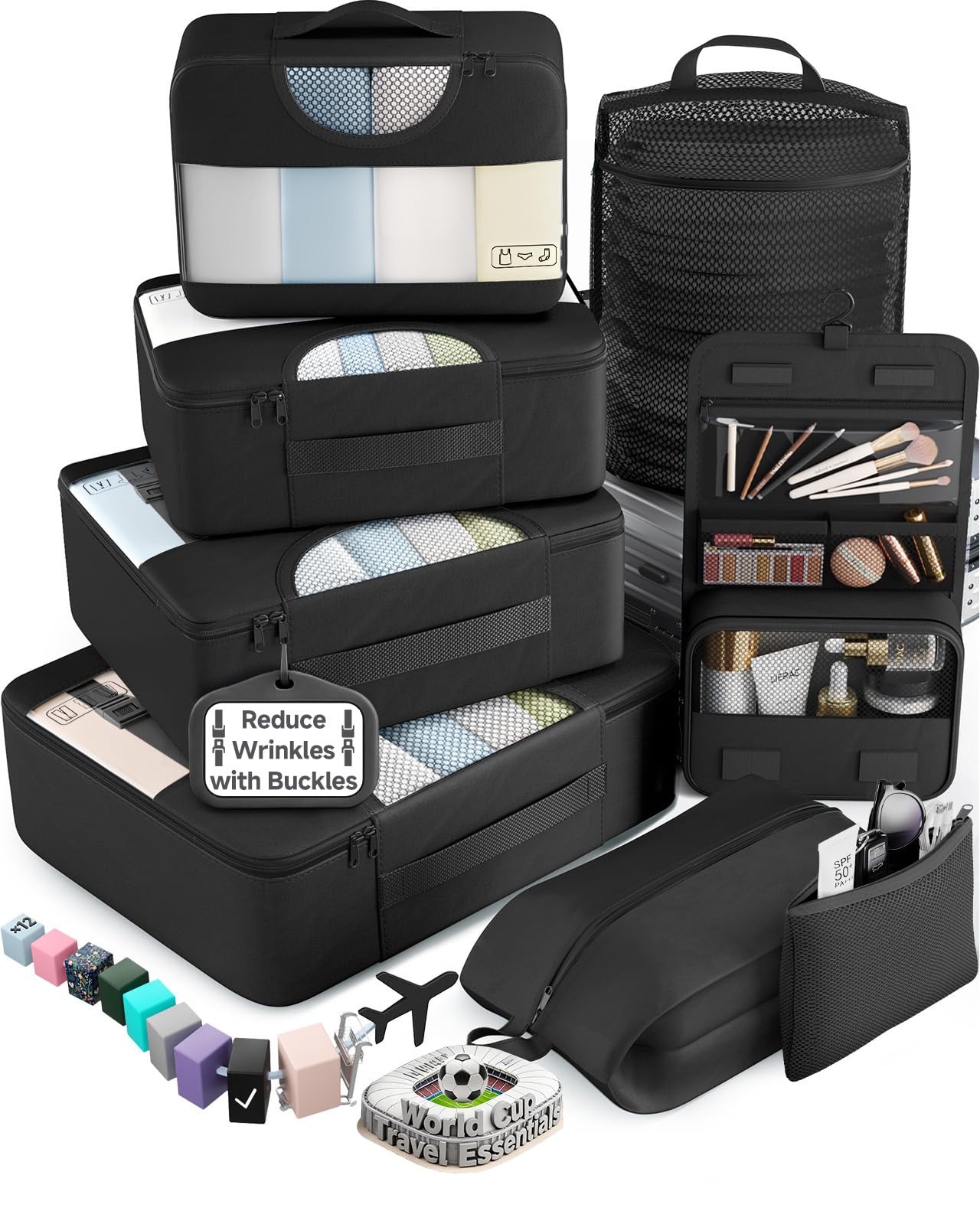 Veken 8-Set Packing Cubes for Travel
on Amazon
 Tan Leather Trolley Bag 44L
$240.00
 Traveler Weekender Duffle
$120.00
 Walker Leather Weekender Bag
$130.00
Ad
 Ringsun Genuine Leather Luggage Tags (2-Pack)
on Amazon
 Nocona Hiker Men's Belt
$42.00
 Waterline Braided Belt
$35.00
 Teddy Cattleman Cowboy Hat
$156.00
Ad
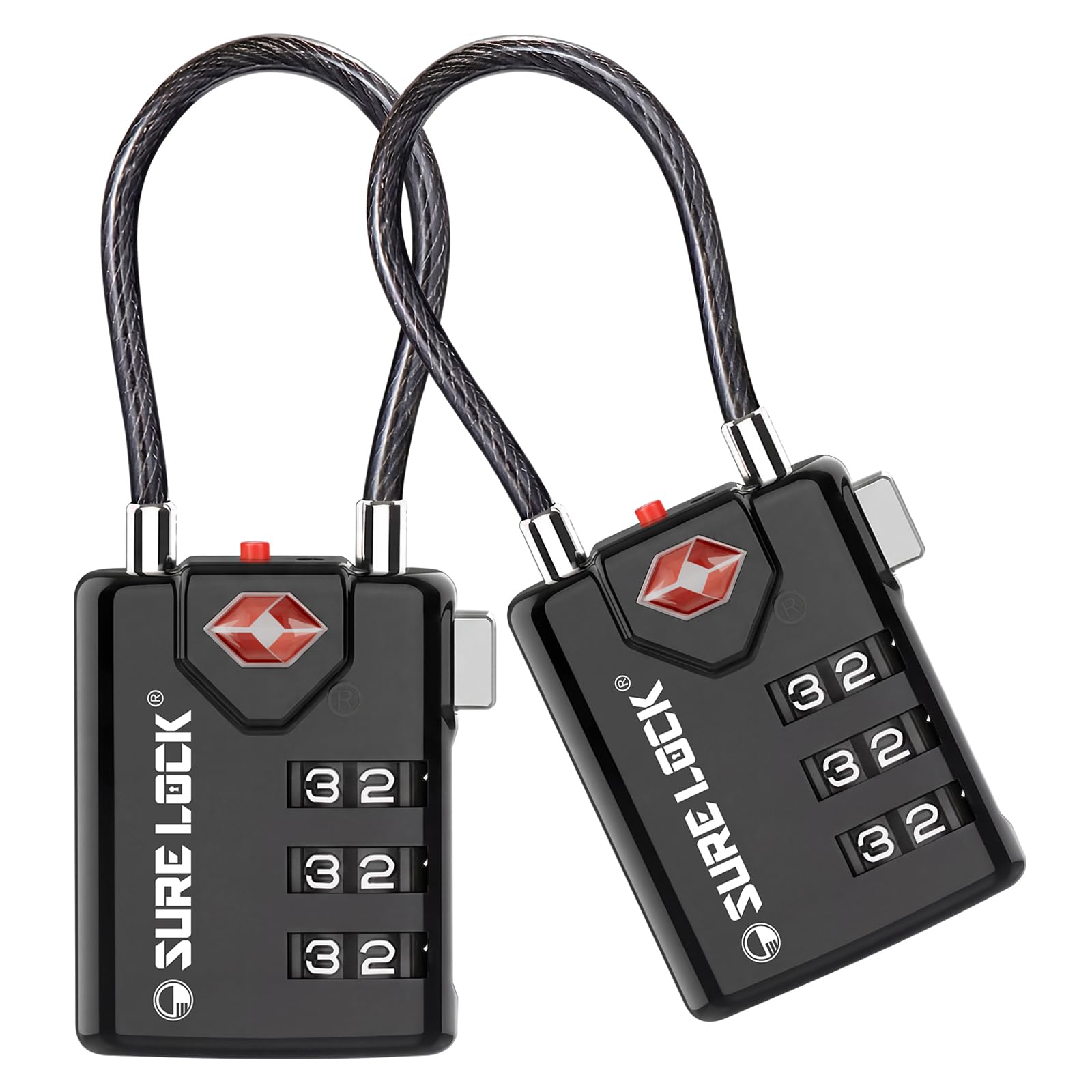 SURE LOCK TSA-Approved Luggage Locks (2-Pack)
on Amazon
 The Sierra Satchel
$59.99