
By Ines Keane
Seagrove is small. Yet it sits at the center of one of the best-known pottery districts in the United States, and the reasons run back to the 1700s.
A name with a missing letter
Wikipedia says the town in Randolph County, North Carolina, was incorporated in 1913 and takes its name from a railroad official, Edwin G. Seagraves. Local accounts, the article adds, say a sign painter ran out of room and dropped the final “s.” The railroad served the town until December 31, 1951. We note that the article itself spells the name both ways.
Clay, firewood and farmers
The Folk Art Society of America says potters have lived around Seagrove since the 18th century, drawn by good clay and nearby firewood for kilns. Early potters mostly made redware, a soft red earthenware. By the mid-1800s many also made salt-glazed pottery, which used gray creek-bed clay, a higher firing temperature and salt added late in the firing. Most potters were farmers, the society says, and they sold or traded plain useful things: pots, bowls, jugs and roof tiles.
NCpedia, the state encyclopedia, says English Staffordshire potters arrived around 1740 in Moore County.
When factories won
Cheaper factory pottery in the early 20th century pushed many potters out of the craft nationwide, according to the Folk Art Society, though some in Seagrove kept to traditional methods.
The Busbees and Jugtown
Here the dates start to wander. The North Carolina Department of Natural and Cultural Resources says Jacques and Juliana Busbee of Raleigh found the region’s folk pottery in 1915 and began collecting it. The Folk Art Society says Juliana opened a shop in Greenwich Village, New York; NCpedia calls it a tearoom she ran.
The pottery itself was founded in 1921, according to NCpedia and the Folk Art Society. The state resources department says 1922.
NCpedia says the Busbees first ordered wares from local potters, then built the Jugtown shop to control design and finish. The state resources page adds that Jacques limited the styles and glazes so potters could concentrate on form. They hired and trained young potters, NCpedia says, and several of those trainees later opened their own potteries. The Folk Art Society names James Owen (1866 to 1923) as the first hired potter and Ben Owen as the principal potter from 1923 to 1959.
NCpedia explains that in the 19th and early 20th centuries “jugtown” described several rural pottery communities, and that one site came to be seen as the premier one. It does not say where the name came from, and neither do we.
Still on the register
Wikipedia says Jugtown was listed on the National Register of Historic Places in 1999. The listing covers a log sales room, a log turning room with an attached pugmill, a frame glaze room and two kilns under a shelter, all built about 1921, plus a house added about 1924.
Today
The Folk Art Society says almost 100 potters work in the region.
The autumn hook
The Folk Art Society of America dates the Seagrove Pottery Festival to 1982. Festival dates change from year to year, so check the festival’s official page before you plan around it.
Dates in order
- 18th century: potters settle, according to the Folk Art Society.
- 1915 to 1918: the Busbees find the pottery and open a New York outlet, according to the state resources department and Wikipedia.
- 1921 or 1922: Jugtown Pottery founded, according to different sources.
- 1923: Ben Owen joins, according to NCpedia.
- 1947: Jacques Busbee dies, according to NCpedia.
- \- 1982: the Seagrove Pottery Festival begins, according to the Folk Art Society.
What kind of sources these are
A state encyclopedia entry, a state government history page and a folk-art society’s introduction. We did not read any pottery’s own site.
What we left out
Living potters. Opening hours. Anything about fees or prices.
Quick answers
When was Jugtown Pottery founded? 1921, according to NCpedia and the Folk Art Society. The state resources department gives 1922.
When is the Seagrove Pottery Festival? It is held in the autumn, and dates change each year, so check the festival’s official page.
What is Seagrove known for? Pottery, made in the area since the 18th century, according to the Folk Art Society of America.
Related on this site: cast-iron-skillet-seasoning-lodge-history, bundt-pan-nordic-ware-minnesota-1950, slinky-richard-james-1945-gimbels
Roam first. Shop later.
Shop Sephari Picks
As an Amazon Associate we earn from qualifying purchases. Some items below are sponsored affiliate products.
 Wanderer Leather Trolley Suitcase
$350.00
 Leather Carry-On Trolley Bag
$499.00
 The Peterson Leather Duffle
$140.00
Ad
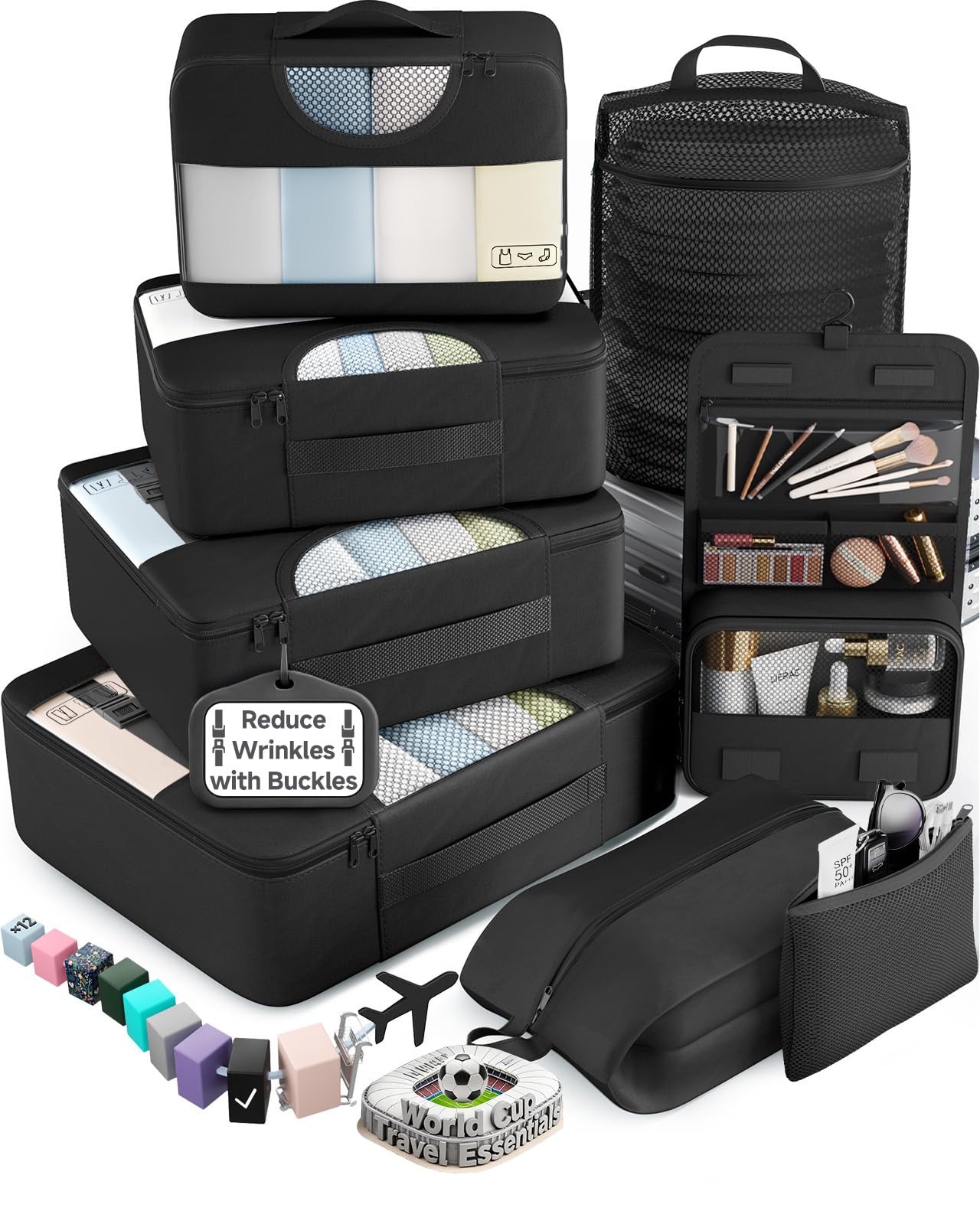 Veken 8-Set Packing Cubes for Travel
on Amazon
 Tan Leather Trolley Bag 44L
$240.00
 Traveler Weekender Duffle
$120.00
 Walker Leather Weekender Bag
$130.00
Ad
 Ringsun Genuine Leather Luggage Tags (2-Pack)
on Amazon
 Nocona Hiker Men's Belt
$42.00
 Waterline Braided Belt
$35.00
 Teddy Cattleman Cowboy Hat
$156.00
Ad
 SURE LOCK TSA-Approved Luggage Locks (2-Pack)
on Amazon
 The Sierra Satchel
$59.99