
By Porter Lang
Seasoning is not a spice. It is a coating, and a cast-iron pan without one is a pan that will rust and stick. If you are shopping for a skillet this fall, or reading a care label before a holiday dinner, the word is worth getting straight.
What seasoning is
Lodge, the Tennessee foundry, describes it plainly: seasoning is oil baked onto the pan through a process called polymerization. When oils or fats are heated high enough, the company says, the hardened layer bonds to the iron and gives a naturally nonstick surface that improves with use.
Wikipedia’s article on cast-iron cookware gives nearly the same account. It calls seasoning the process of applying a layer of animal fat or vegetable oil and cooking it onto cast iron or carbon steel, leaving a stick-resistant coating made of “polymerized oils and fats.” The article says the layer protects against rust, provides a nonstick surface and reduces food contact with the iron.
That is the whole idea. Two sources, one definition.
How a pan is made
Wikipedia says most bare cast-iron pots and pans are cast as one piece of metal, handle included, which is why they can go from stovetop to oven. It does not describe the casting itself, and neither will we.
The Lodge history page tells a little of the foundry side. Lodge moved from hand-pouring to an automated molding process using a Danish machine called a Disamatic, which it started using in 1965. In 1994 it replaced coal-fired cupola furnaces with an electromagnetic induction melting system. It says it introduced pre-seasoned cast iron in 2002, after settling on a way to season each piece at the foundry. This is the company describing its own work, and we label it that way.
A long and uneven history
Blacklock leads to Lodge. The company says Joseph Lodge and his wife Anna settled in South Pittsburg, Tennessee, in 1877, and that he started the Blacklock Foundry in 1896. A fire destroyed the foundry in May 1910, and Lodge Cast Iron was founded about three months later, down the road. A second foundry, called 3rd Street Foundry, began operations in late 2017.
Where the sources disagree on care
Lodge says to wash with warm, soapy water, dry completely with a paper towel or lint-free cloth, and rub on a very thin layer of oil that does not drip when the pan is tilted. For flaking seasoning, it says to scrub with a nylon brush or salt, rinse, hand dry and rub with oil.
Wikipedia lists several options for bare pans: wiping out after use, hot water and a stiff brush, mild soap followed by a thin layer of fat or oil, or scrubbing with coarse salt and a paper towel. It says a conventional dishwasher removes seasoning. It also reports that America’s Test Kitchen found small amounts of soap do not damage seasoning.
On acidic food the two differ in emphasis. Lodge says ingredients such as tomato sauce or lemon juice can break down seasoning, so it does not recommend them for new cast iron; once the seasoning has built up, it says, they can be used with cook times under 45 minutes. Wikipedia says acidic foods damage seasoning over time, but America’s Test Kitchen found short cooking periods had no noticeable effect.
Our reading: both sources lean the same way. Soap is tolerated, a dishwasher is not, and long simmers of acid are best left for later.
Re-seasoning, as Lodge describes it
Lodge gives an oven method for restoring the coating. Preheat to 450 to 500°F, put foil on the bottom rack to catch drips, set the pan upside down on the center rack, bake for an hour, then turn the oven off and let the pan cool inside. This is the company’s advice and we have not tested it.
Enameled iron is a different thing
Wikipedia says enameled cast iron has a vitreous glaze fused to the iron, which prevents rusting and removes the need for seasoning. It says enamel can chip if the pan is dropped, overheated or given cold water while hot. Enameled pans, it says, do not build seasoning and need enough fat when cooking.
Iron in the food
Wikipedia reports that an American Dietetic Association study found iron in spaghetti sauce rose from 0.61 to 5.77 milligrams per 100 grams after cooking in iron, and cornbread from 0.67 to 0.86. It says people with hemochromatosis should avoid cast-iron cookware. We pass this on as the article states it and add no medical advice.
Questions a buyer would ask
Is a pre-seasoned pan the same as a pan seasoned at home? Lodge says it seasons each piece at the foundry. Both sources describe the same kind of coating, built from baked oil. Does it need to be used often? Lodge says the surface improves with use, which is a reason to cook in it.
Dates in order
- 1877: the Lodges settle in South Pittsburg, according to Lodge.
- \- 1896: Blacklock Foundry starts, according to Lodge.
- May 1910: fire; Lodge Cast Iron follows about three months later, according to Lodge.
- 1965: automated molding begins, according to Lodge.
- 1994: induction melting replaces cupolas, according to Lodge.
- 2002: pre-seasoned pans introduced, according to Lodge.
What kind of sources these are
Lodge’s own web pages, which are the company describing itself. We did not read a metallurgist, a museum or a consumer-testing report directly.
What we left out
Prices, including the cost comparison with enameled pans. Pan sizes. Any current owner or corporate sum. Anything about brands other than as dated starts.
Quick answers
What is seasoning on cast iron? Oil baked onto the pan through polymerization, according to Lodge. Wikipedia describes it as a stick-resistant coating of polymerized oils and fats.
Can you wash cast iron with soap? Lodge says to wash with warm, soapy water.
When did Lodge start pre-seasoning its pans? In 2002, according to the company’s own history page.
Related on this site: seagrove-north-carolina-pottery-jugtown, bundt-pan-nordic-ware-minnesota-1950, slinky-richard-james-1945-gimbels
Roam first. Shop later.
Shop Sephari Picks
As an Amazon Associate we earn from qualifying purchases. Some items below are sponsored affiliate products.
 Wanderer Leather Trolley Suitcase
$350.00
 Leather Carry-On Trolley Bag
$499.00
 The Peterson Leather Duffle
$140.00
Ad
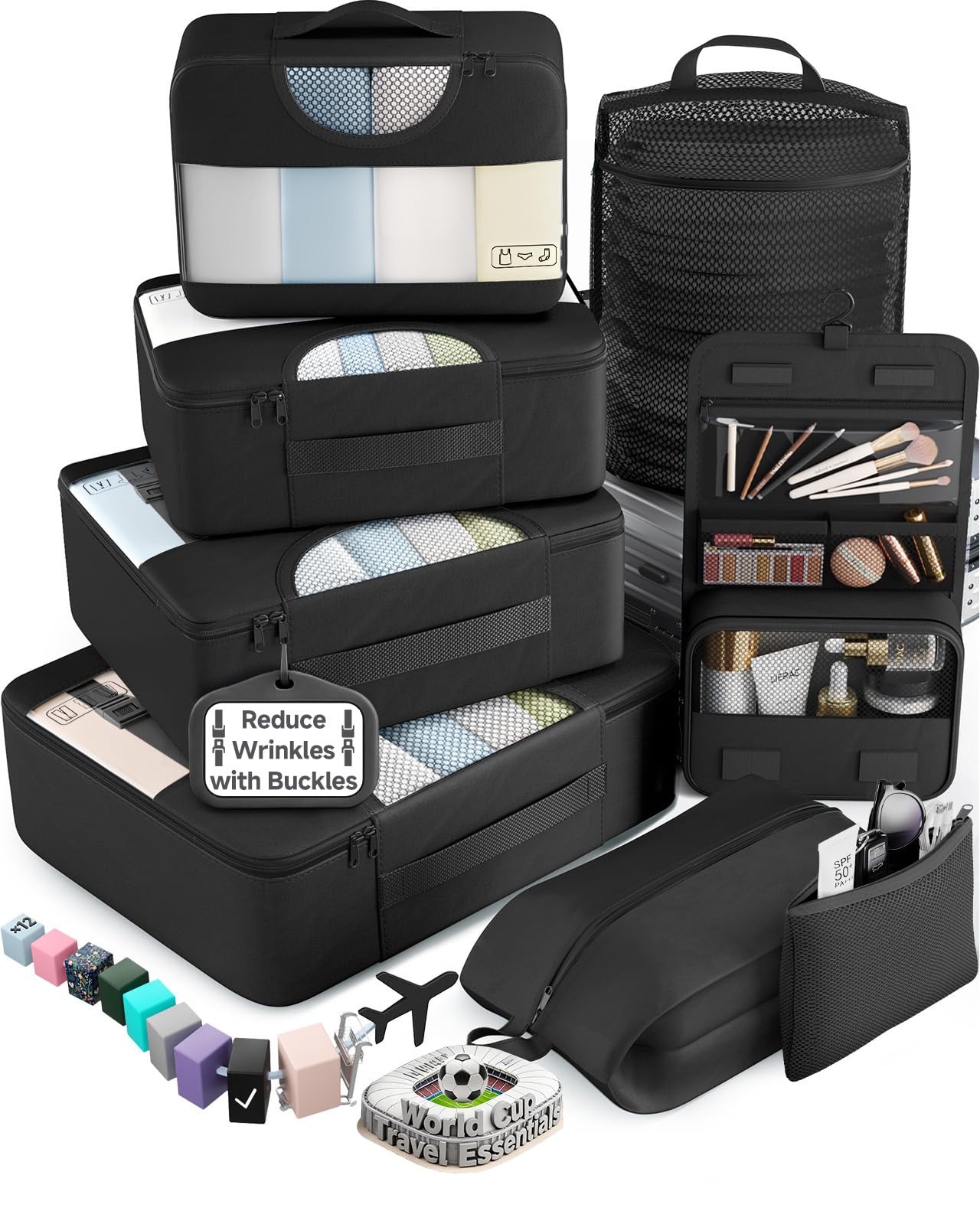 Veken 8-Set Packing Cubes for Travel
on Amazon
 Tan Leather Trolley Bag 44L
$240.00
 Traveler Weekender Duffle
$120.00
 Walker Leather Weekender Bag
$130.00
Ad
 Ringsun Genuine Leather Luggage Tags (2-Pack)
on Amazon
 Nocona Hiker Men's Belt
$42.00
 Waterline Braided Belt
$35.00
 Teddy Cattleman Cowboy Hat
$156.00
Ad
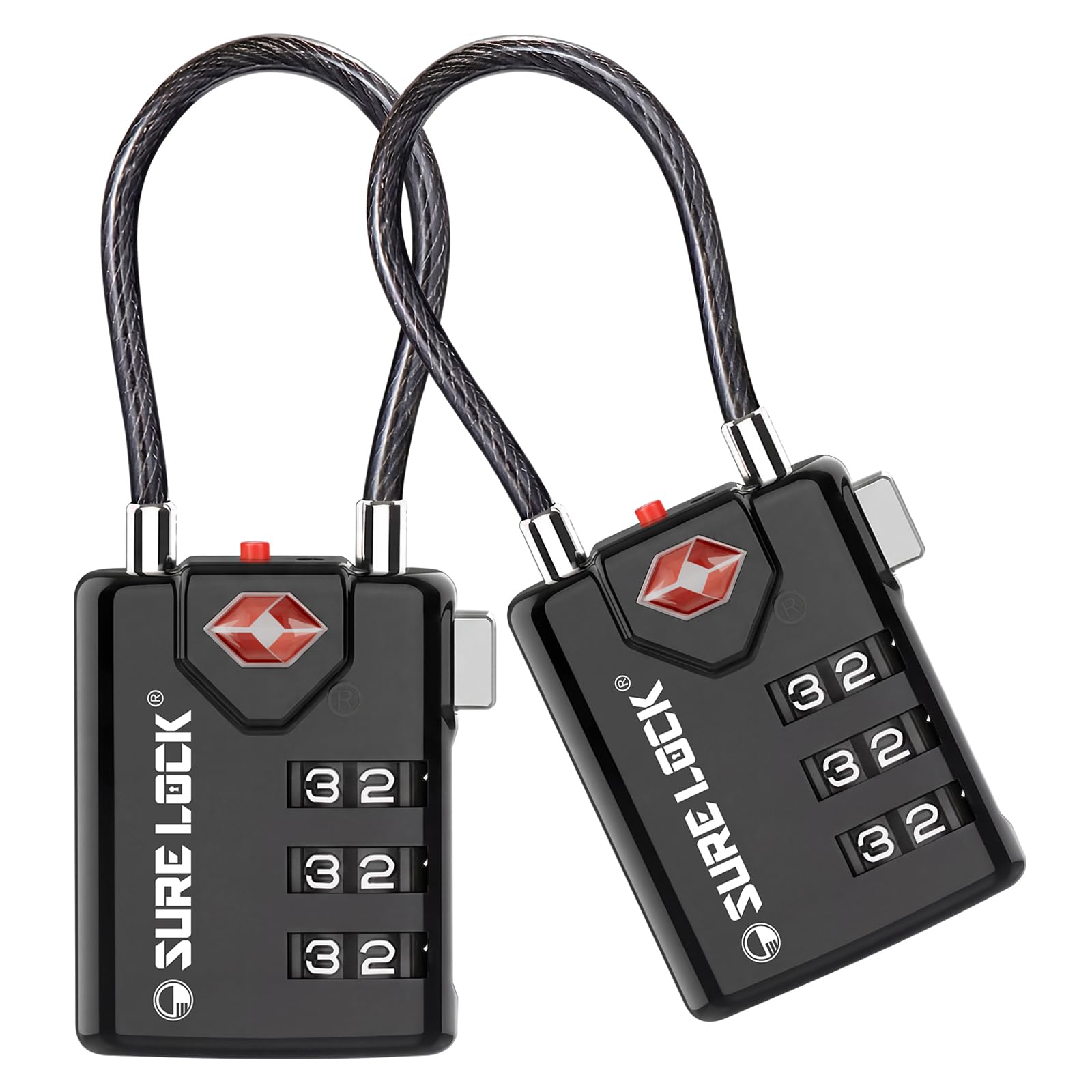 SURE LOCK TSA-Approved Luggage Locks (2-Pack)
on Amazon
 The Sierra Satchel
$59.99