
By Rafe Calder
Eighteen inches. That is the minimum thickness the ice had to reach before it could be harvested, according to Wikipedia’s article on the ice trade. In New England the cutting season ran from January to March. Everything else in the business followed from that one measurement and the cold that produced it.
Who started it
Frederic Tudor, a Boston merchant known as the “Ice King,” began shipping ice to the tropics. The year is disputed within the sources. Wikipedia says 1806. American Heritage magazine also gives 1806 but notes that his diary inscription refers to 1805, and the Cambridge Historical Society says he began harvesting from Massachusetts ponds in 1805. We show all three.
The first cargo went to Martinique and was not a success. Wikipedia says it was probably cut from the family estate at Rockwood, and gives the state as Maine. American Heritage says the 130 tons came from a family pond in Saugus. Without local storage, Wikipedia adds, much of the ice melted before it could be sold. Tudor then built an ice depot in Havana, and by 1810, the article says, he was trading successfully.
On the pond
Wikipedia describes the work. Crews cleared snow from the ice, tested its depth and marked lines with cutters to form blocks. They cut the blocks and floated them to shore. Workers wore cork shoes and horses wore spiked shoes. Cutting was usually done at night, when the ice was thickest. In New England, holes were drilled into the ice to help it thicken. The smallest blocks, for the U.S. East Coast, were 22 inches square, and larger sizes went with longer voyages.
The cutter
Nathaniel Jarvis Wyeth was born in 1802 to the owner of the Fresh Pond Hotel in Cambridge, according to the Cambridge Historical Society, and worked winters for Tudor, stocking ice houses with Fresh Pond ice and insulating it with sawdust. In 1825, in his first winter managing the ice fields, he developed a horse-drawn ice cutter that produced uniform blocks. Wikipedia and the Cambridge Historical Society agree on the year.
American Heritage describes the machine as two-bladed, scoring parallel grooves and then grooves at right angles to make a grid of blocks, with a second device to haul them out. Wikipedia adds that in 1827 Wyeth devised a lever and horse-drawn pulley system for raising blocks into warehouses, and that in the 1840s he introduced a horse-drawn toothed plow that replaced the hand saw. The Cambridge Historical Society says he held 14 patents on cutting and moving ice.
Sawdust and bricks
Insulation was the other half of the trade. Wikipedia says Tudor’s first ice houses in Cuba had double timber walls packed with peat and sawdust, and that by 1819 he was building brick ice houses insulated with charcoal and holding more than 200 tons. In ship holds, sawdust was packed tightly around the ice and the hold closed to keep warm air out.
How much it helped depends on the source. The Cambridge Historical Society says Wyeth’s insulation and ice house experiments cut melting losses from 66 percent to under 8 percent. American Heritage says tight packing and insulation could reduce loss to 30 percent on a three-month voyage. They may be measuring different things, and neither page says. Our reading: both describe sawdust doing its work, in different conditions.
To Calcutta
In 1833, Wikipedia says, the brigantine Tuscany carried ice to Calcutta, an initial shipment of about a hundred tons. American Heritage says the ship sailed on May 12, 1833, with 180 tons, and arrived with about two-thirds of the cargo intact, while the captain’s log put the figure at 100 tons. Regular exports to Calcutta, Madras and Bombay began in 1835, and Indian imports peaked in 1856 at 146,000 tons, according to Wikipedia.
A lake renamed
In 1844 Eric Landor formed the Wenham Lake Ice Company and built a depot on the Strand in London, Wikipedia says. Wenham ice was sold as unusually pure. The venture eventually failed, partly because the English did not take to chilled drinks as North Americans did, and partly because of melting. In the early 1860s, the article says, Lake Oppegård in Norway was renamed “Wenham Lake,” to make its ice look like New England exports. Our reading: this is an early case of a place name used as a selling point, and it is a good reason to ask what a label on a thing actually claims.
The end of cutting
Cambridge Historical Society says Boston’s ice consumption rose from 27,000 tons in 1847 to 105,000 tons in 1862, that America had 35 commercial ice plants by 1879, and that ice boxes stayed in most American homes until the 1920s. Wikipedia says plant ice overtook natural ice in Australia in the 1850s and in India in the 1870s, and that by 1914 U.S. plant ice output (26 million tons) exceeded natural ice (24 million tons). Electric home refrigerators were common in U.S. homes by the 1930s, it adds.
Dates in order
- 1805 or 1806: Tudor begins, according to the Cambridge Historical Society and Wikipedia.
- 1819: brick ice houses holding more than 200 tons, according to Wikipedia.
- 1825: Wyeth’s horse-drawn cutter, according to Wikipedia and the Cambridge Historical Society.
- 1833: ice reaches Calcutta, according to Wikipedia and American Heritage.
- 1844: Wenham Lake Ice Company in London, according to Wikipedia.
- 1914: plant ice output passes natural ice in the United States, according to Wikipedia.
Side by side
Start year: 1806 (Wikipedia, American Heritage) against 1805 (diary, Cambridge Historical Society). First cargo: 130 tons from Saugus (American Heritage) against a family estate at Rockwood (Wikipedia). Calcutta cargo: about a hundred tons (Wikipedia) against 180 tons loaded and 100 tons by the log (American Heritage).
What kind of sources these are
One Wikipedia article. A local historical society’s web page on Cambridge. A history magazine feature. No archive, ledger or diary was read directly.
What we left out
Costs, prices and wages, the shipping lists from other countries, how many workers the trade employed, which no page gave, and the royal customers the Cambridge page reports. Anything about the ice houses still standing.
Quick answers
How thick did ice have to be? According to Wikipedia, at least 18 inches.
What was used to insulate the ice? Sawdust, packed tightly around the blocks in ship holds and ice houses, according to Wikipedia and the Cambridge Historical Society.
When did ice first reach Calcutta? In 1833, aboard the Tuscany, according to Wikipedia and American Heritage magazine.
Related on this site: lowell-massachusetts-mill-city-canals, adirondack-chair-westport-origin, pecan-harvest-autumn-orchard
Roam first. Shop later.
Shop Sephari Picks
As an Amazon Associate we earn from qualifying purchases. Some items below are sponsored affiliate products.
 Wanderer Leather Trolley Suitcase
$350.00
 Leather Carry-On Trolley Bag
$499.00
 The Peterson Leather Duffle
$140.00
Ad
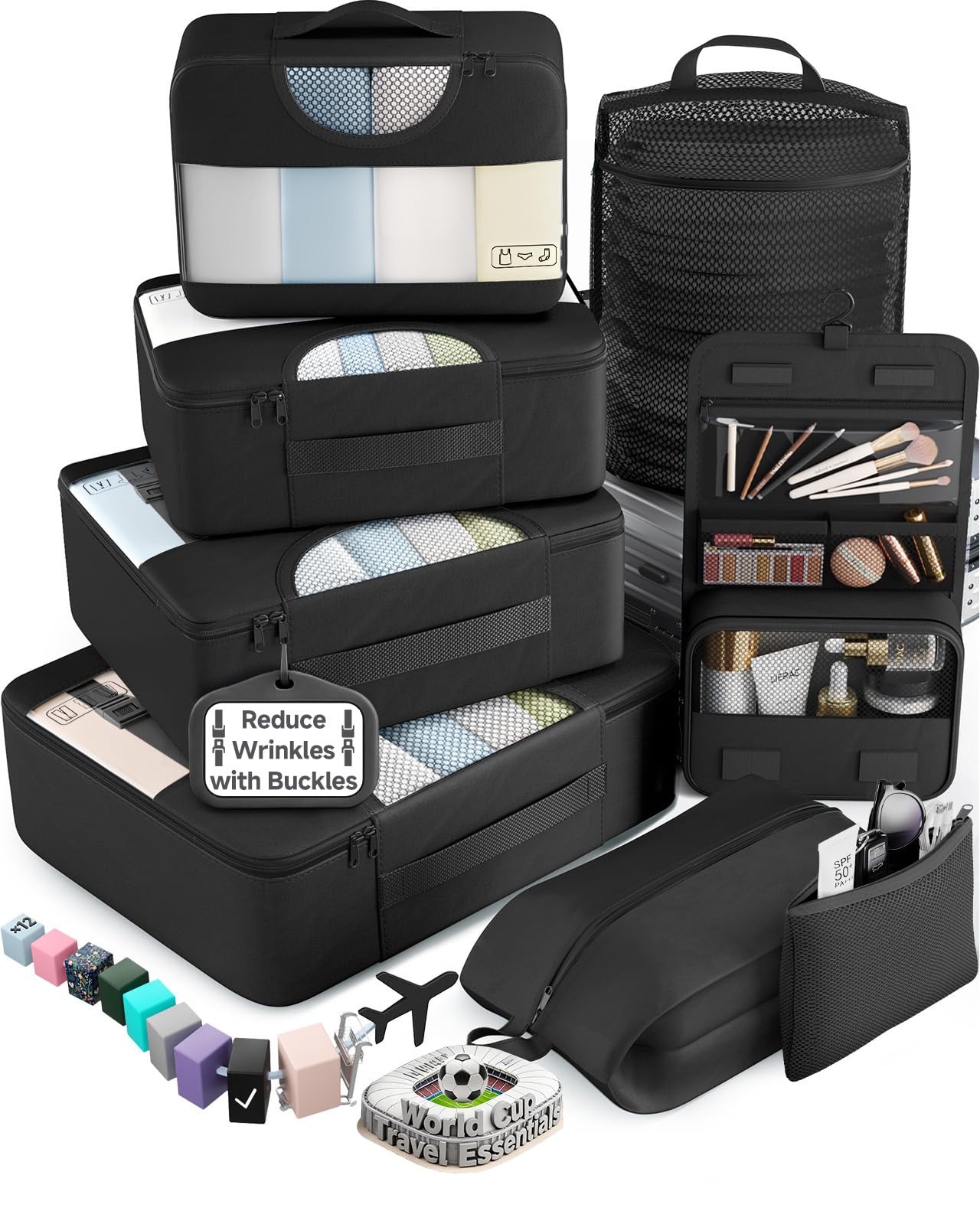 Veken 8-Set Packing Cubes for Travel
on Amazon
 Tan Leather Trolley Bag 44L
$240.00
 Traveler Weekender Duffle
$120.00
 Walker Leather Weekender Bag
$130.00
Ad
 Ringsun Genuine Leather Luggage Tags (2-Pack)
on Amazon
 Nocona Hiker Men's Belt
$42.00
 Waterline Braided Belt
$35.00
 Teddy Cattleman Cowboy Hat
$156.00
Ad
 SURE LOCK TSA-Approved Luggage Locks (2-Pack)
on Amazon
 The Sierra Satchel
$59.99