
By Porter Lang
Start with the arms. On the original chair they are 9½ inches wide, and they sit high enough that the chest is supported when the elbows rest on them. That detail comes from Smithsonian magazine, and it is the most useful thing to know about the design before looking at anything else.
Where it started
Thomas Lee, a Boston native, built the first one in Westport, New York, according to Smithsonian magazine, so his family could look out over Lake Champlain. Wikipedia, in its article on the chair, says he made it in Westport between 1900 and 1903. The magazine adds that over those years he tested different woods, shapes, sizes and positions before settling on an angled design. It does not name the wood. Neither do we.
The Smithsonian description of the finished chair is specific. It used eleven boards. The back was a single wide plank, set at about 90 degrees to a sloping seat. The wide, high arms completed it. The magazine’s reading of the geometry is that a sloped back and high arms support a reclining, open-chested posture.
The man who took the plans
In 1904, the magazine says, Lee gave the plans to Harry C. Bunnell, a hunting friend who needed winter income. Bunnell received a United States patent, number 794,777, without Lee’s knowledge, according to Smithsonian; Lee’s permission to alter or market the design was never obtained. Wikipedia agrees on the number and the two names, and calls Bunnell Lee’s friend.
The date is where the two sources part. Wikipedia gives the patent as dated 1 April 1904. Smithsonian gives July 18, 1905. We show both. Our reading: nobody who reads these two pages could say which is right, and the patent record itself would settle it.
Bunnell’s patented chair kept the wide arms, the plank back and the angled seat. Smithsonian says he added a tufted cushion, a drop-down footrest and, apparently, a provision for a bedpan, and described it as a bungalow-type chair for porches, lawns and camps that could be turned into an invalid’s chair.
What he called it
He made the “Westport Plank Chair” in a basement workshop, the magazine says, and sold it from a store on Westport’s main street. By 1912 an “Adirondack Bungalow Chair” was on offer through a department store in Saranac Lake. Bunnell kept making chairs until about 1930, in variations that included a tête-à-tête version and a convertible rocker, and he died in March 1933.
The sanatorium thread
Smithsonian places the chair beside tuberculosis. The disease was a major killer in the 19th and early 20th centuries, and the Adirondack sanatoriums treated patients with fresh mountain air, which the article calls the “wilderness cure.” Cure chairs, it says, were modeled on European sanatorium recliners and made around the turn of the century. It also notes a limit: a researcher it consulted thought the Westport chair’s low profile was not especially suited to someone weakened by illness. The article presents the link as context, not as the chair’s origin, and so do we.
The fan back
Both sources agree on the later change. In 1938, Irving Wolpin of New Jersey patented a version with a fan-shaped back and slats instead of planks. Smithsonian calls it essentially the modern form. Wikipedia says the original chair had a single plank back and Wolpin’s was the fan-shaped slatted one.
Wikipedia adds that original chairs were wood, that chairs today are made of wood, plastic or metal, and that injection-molded plastic versions can take any form. It also says that since the 1980s Canada has often marketed the chair as the “Muskoka chair,” though the article says the design did not originate in Muskoka. The Smithsonian piece makes no claim about Canada.
Questions a buyer would ask
Is the back one plank or fan-shaped slats? Per both sources, a plank back is the Lee and Bunnell form, and slats are Wolpin’s 1938 form. That is a question about design, not age. Are the arms wide and high? Our reading: if a chair calls itself an Adirondack and has narrow arms, it has dropped the feature the sources treat as central. What is it made of? Wikipedia says wood, plastic and metal all exist, so the answer changes what you are buying.
Dates in order
- 1900 to 1903: Lee works out the design in Westport, according to Wikipedia and Smithsonian.
- 1904: plans passed to Bunnell, according to Smithsonian.
- 1 April 1904 or July 18, 1905: the patent date, according to Wikipedia and Smithsonian respectively.
- 1912: the Adirondack Bungalow Chair sold in Saranac Lake, according to Smithsonian.
- About 1930: Bunnell stops making chairs, according to Smithsonian.
- 1938: Wolpin’s fan-back patent, according to Smithsonian and Wikipedia.
Side by side
Patent date: 1 April 1904 (Wikipedia) against July 18, 1905 (Smithsonian). Patent holder: both name Bunnell. Maker: both name Lee as the first builder.
What kind of sources these are
One Wikipedia article. One long article from a general-interest magazine published by a museum organization. We did not read a patent record, a museum catalog or any chair-maker’s site.
What we left out
Prices, including the early sale price. Any modern chair-maker. Quotes from historians still living. The medical claims of the sanatorium era.
Quick answers
Who invented the Adirondack chair? According to Smithsonian magazine, Thomas Lee built it in Westport, New York, between 1900 and 1903. Harry Bunnell patented it.
How many boards were in the original? Eleven, with a wide plank back, says Smithsonian magazine.
Who designed the fan-back chair? Irving Wolpin patented it in 1938, according to both Wikipedia and Smithsonian.
Related on this site: lowell-massachusetts-mill-city-canals, pecan-harvest-autumn-orchard, new-england-ice-trade-ponds
Roam first. Shop later.
Shop Sephari Picks
As an Amazon Associate we earn from qualifying purchases. Some items below are sponsored affiliate products.
 Wanderer Leather Trolley Suitcase
$350.00
 Leather Carry-On Trolley Bag
$499.00
 The Peterson Leather Duffle
$140.00
Ad
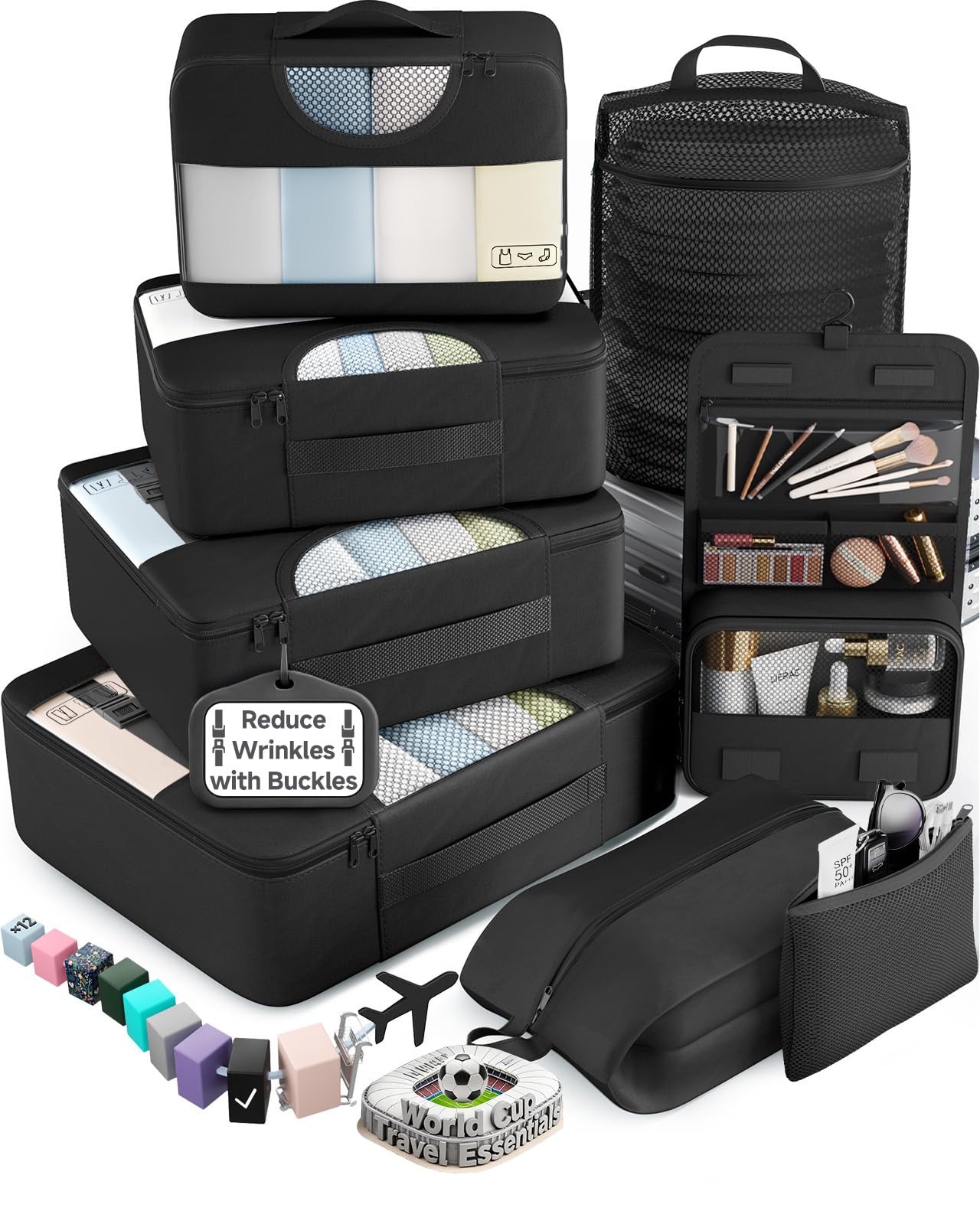 Veken 8-Set Packing Cubes for Travel
on Amazon
 Tan Leather Trolley Bag 44L
$240.00
 Traveler Weekender Duffle
$120.00
 Walker Leather Weekender Bag
$130.00
Ad
 Ringsun Genuine Leather Luggage Tags (2-Pack)
on Amazon
 Nocona Hiker Men's Belt
$42.00
 Waterline Braided Belt
$35.00
 Teddy Cattleman Cowboy Hat
$156.00
Ad
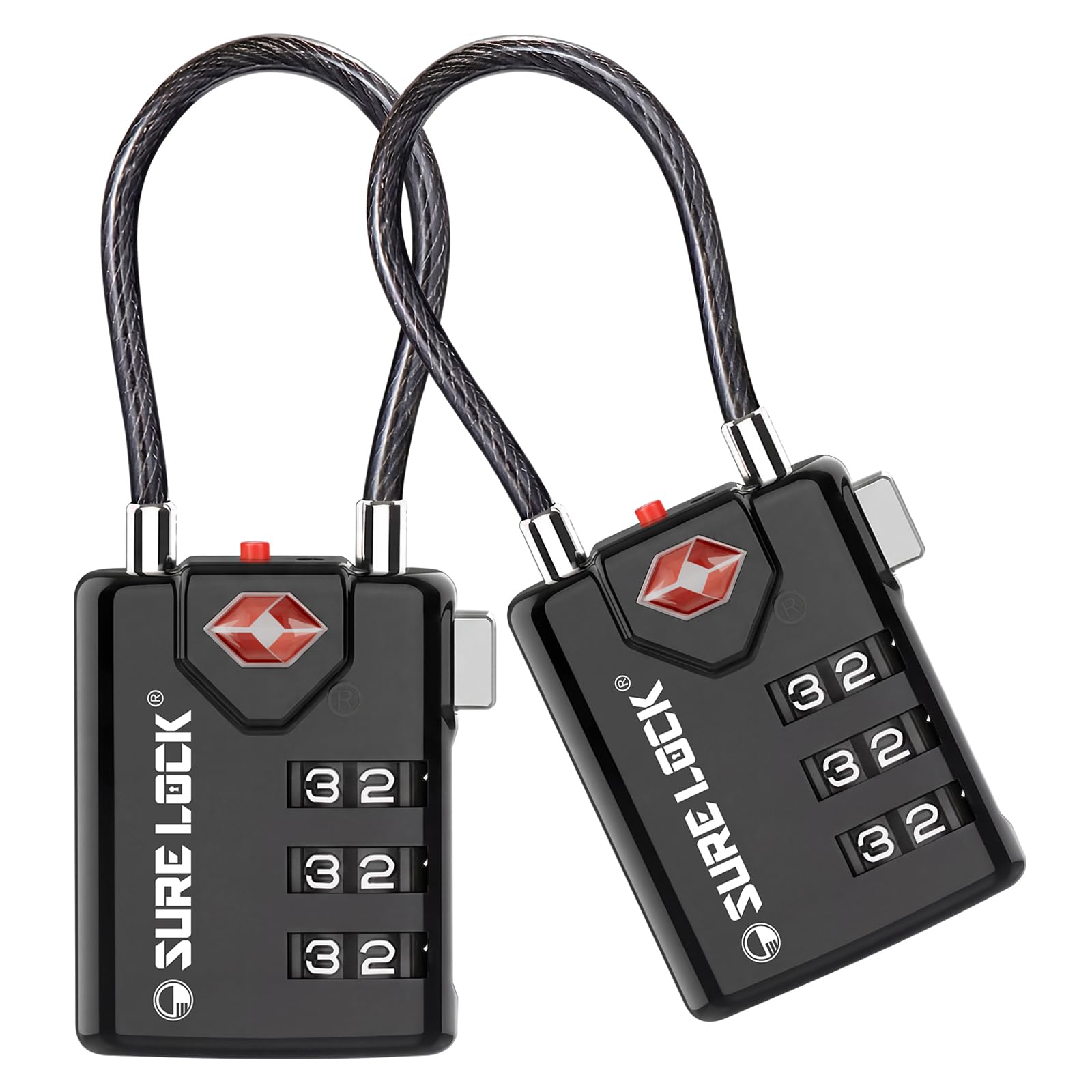 SURE LOCK TSA-Approved Luggage Locks (2-Pack)
on Amazon
 The Sierra Satchel
$59.99