
By Porter Lang
In May 1910 a fire took the Blacklock Foundry in South Pittsburg, Tennessee, whole. Its owner, Joseph Lodge, an English native, bought land a few blocks south. In August, three months after the fire, a new foundry was pouring iron. He put his own name on it.
That is the company’s own telling, and it is the start of one of the longest unbroken runs in American cookware. The foundry still stands in the same small town, between the Appalachian Mountains and the Tennessee River, and it still makes skillets by a method people have used for centuries. What has changed is the machinery, and one choice made in 2002 about what happens at the very end.
Sand, iron and a Danish machine
Cast iron cookware is made by sand molding. The company says the method goes back to 680 B.C., which is its claim and not one we checked independently. The logic is plain. You press damp sand against a pattern to form a mold. You pour molten iron into it. Sand melts at a higher temperature than iron, so the mold holds its shape until the metal cools. Then you break the mold open and a pan is inside.
Start at the furnace. The electric induction furnace runs over 2,000 degrees Fahrenheit and holds 10 metric tons of liquid iron. A 22,000-pound charge of pig iron, recycled steel, the foundry’s own castings and alloys takes 45 minutes to melt. A company spokesman has described the foundry as a gray iron operation, and said the cookware doesn’t turn black until it seasons. Straight from the mold, a skillet is gray.
The molds come from a Disamatic, a Danish molding machine that presses a mix of sand, water and clay against the pattern. The company says each machine makes 350 to 400 molds an hour. Lodge moved from hand pouring to an automated molding process in 1950, which it says made the work safer for foundry workers. In 1965 it became the first American company to use a Disamatic. Today it runs five of them.
After the pour comes the shake out. Cooled castings ride a vibratory conveyor that rattles off the molding sand, and the sand is recycled. A rotating drum of iron media scrubs the castings. Fine steel shot blasts them from all sides, then a bath of stainless steel media, soap and water smooths the finish. The last stage hangs each piece on a conveyor for a hot rinse, a blast of hot air, a spray of oil and a bake at a temperature well above what a household oven reaches. Then comes a final inspection, and packing in biodegradable paper and corrugated board.
The wax and the oil
That oil-and-bake step is the one that changed. Before 2002 the company sold its cast iron unseasoned. Each piece wore a thin coat of carnauba bean wax to stop rust in storage and on the shelf. The buyer washed the wax off at home, then oiled the pan and baked it in their own oven before cooking in it.
In 2002 Lodge began seasoning every piece at the foundry. The company calls it an industry first, and says it has become the way new cast iron is sold. The Bitter Southerner, in a long profile of the company, noted that the seasoning process is proprietary, and reported that after the switch to factory seasoning the company saw customer return rates go up. What buyers get is a ready-to-use surface that the company says improves with use.
For anyone buying secondhand, that date matters. A Lodge pan sold before 2002 reached its first owner unseasoned. Whatever surface it has now, somebody built it, one meal at a time.
A town that kept its foundry
South Pittsburg has about 3,000 people, according to reports from the Alliance for American Manufacturing and the Bitter Southerner, and the company has never left it. In late 2017 it opened a second foundry, nicknamed the 3rd Street Foundry. It is a 127,000-square-foot building a few blocks from the original, with two induction furnaces, its own sand system and two Disamatic machines. The company says it raised manufacturing capacity by 75 percent, and that the operation ships an average of one million pounds of iron product a week, all melted, poured, molded, finished and packaged in South Pittsburg.
Each year, during the National Cornbread Festival, the company opens its foundries to the public, according to its website. If you plan to go, confirm the dates directly. Festival schedules move.
Buying notes for people who care about gear
A few things worth knowing before you buy any cast iron.
First, find out where the specific piece was made. One American-made retail directory notes that Lodge’s traditional seasoned cast iron comes from South Pittsburg, while the enameled line and some accessories are produced elsewhere. A name on a box does not tell you where the iron was poured.
Second, understand what “seasoned” means on the label. At Lodge, it means oil sprayed on and baked at the foundry. It is a starting surface, and the company describes the finish as one that gets better with use.
Third, the maker publishes its own cleaning and care guidance. Read that, rather than a forum thread. We are not going to restate it here, because care instructions belong to the people who made the pan.
Fourth, if you are looking at an older pan, look at its date. A pre-2002 Lodge would have started life unseasoned and wax-coated.
Why we care
A skillet is a simple object. What makes one a good buy is mostly what went into the making: the sand mold, the furnace, the people who run it. We are curators, not a hardware store. We chase stories like this one because a pan that comes out of a foundry with a fire in its past and a small town around it is a more interesting thing to own than one with no story at all.
Roam first. Shop later.
Shop Sephari Picks
As an Amazon Associate we earn from qualifying purchases. Some items below are sponsored affiliate products.
 Wanderer Leather Trolley Suitcase
$350.00
 Leather Carry-On Trolley Bag
$499.00
 The Peterson Leather Duffle
$140.00
Ad
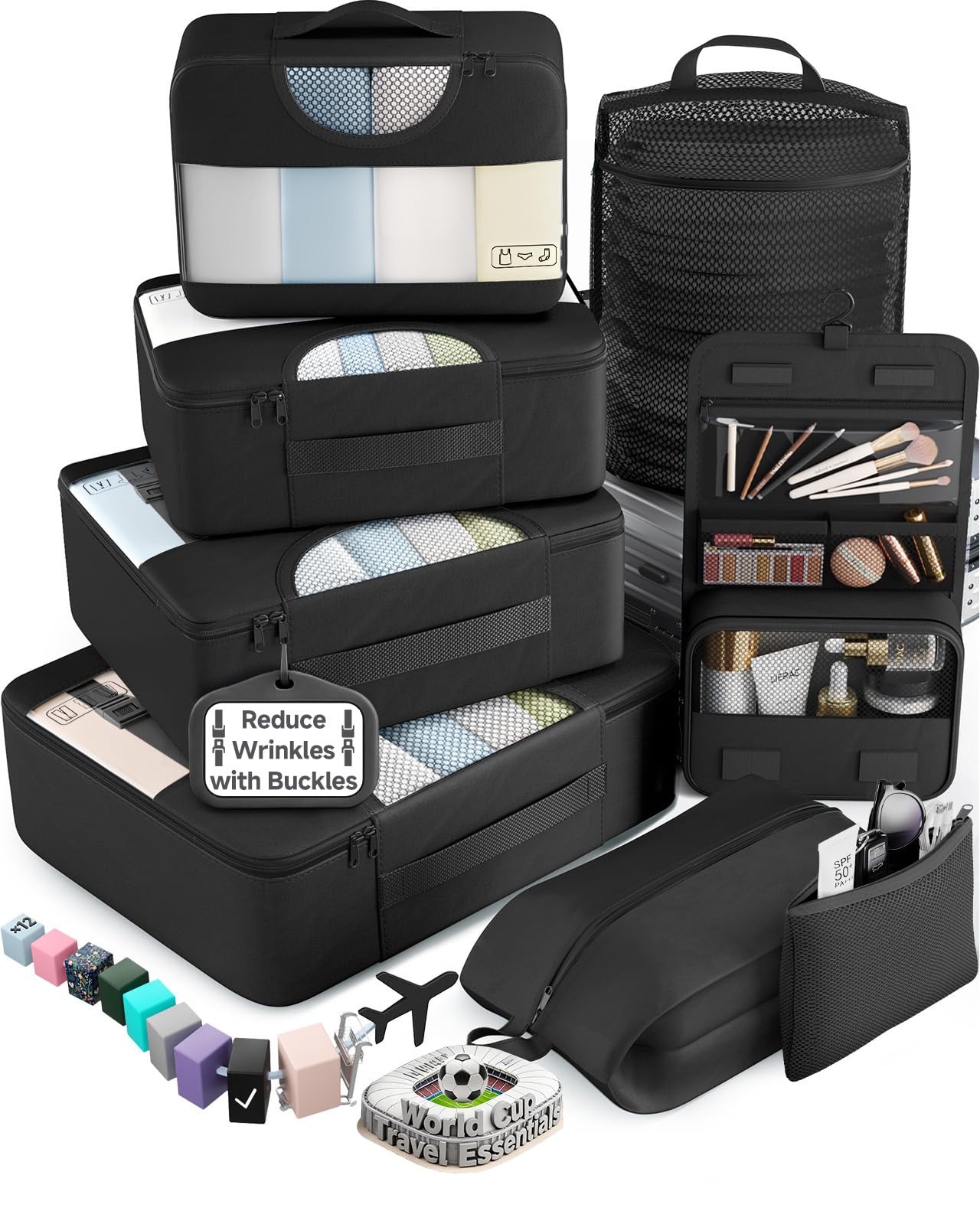 Veken 8-Set Packing Cubes for Travel
on Amazon
 Tan Leather Trolley Bag 44L
$240.00
 Traveler Weekender Duffle
$120.00
 Walker Leather Weekender Bag
$130.00
Ad
 Ringsun Genuine Leather Luggage Tags (2-Pack)
on Amazon
 Nocona Hiker Men's Belt
$42.00
 Waterline Braided Belt
$35.00
 Teddy Cattleman Cowboy Hat
$156.00
Ad
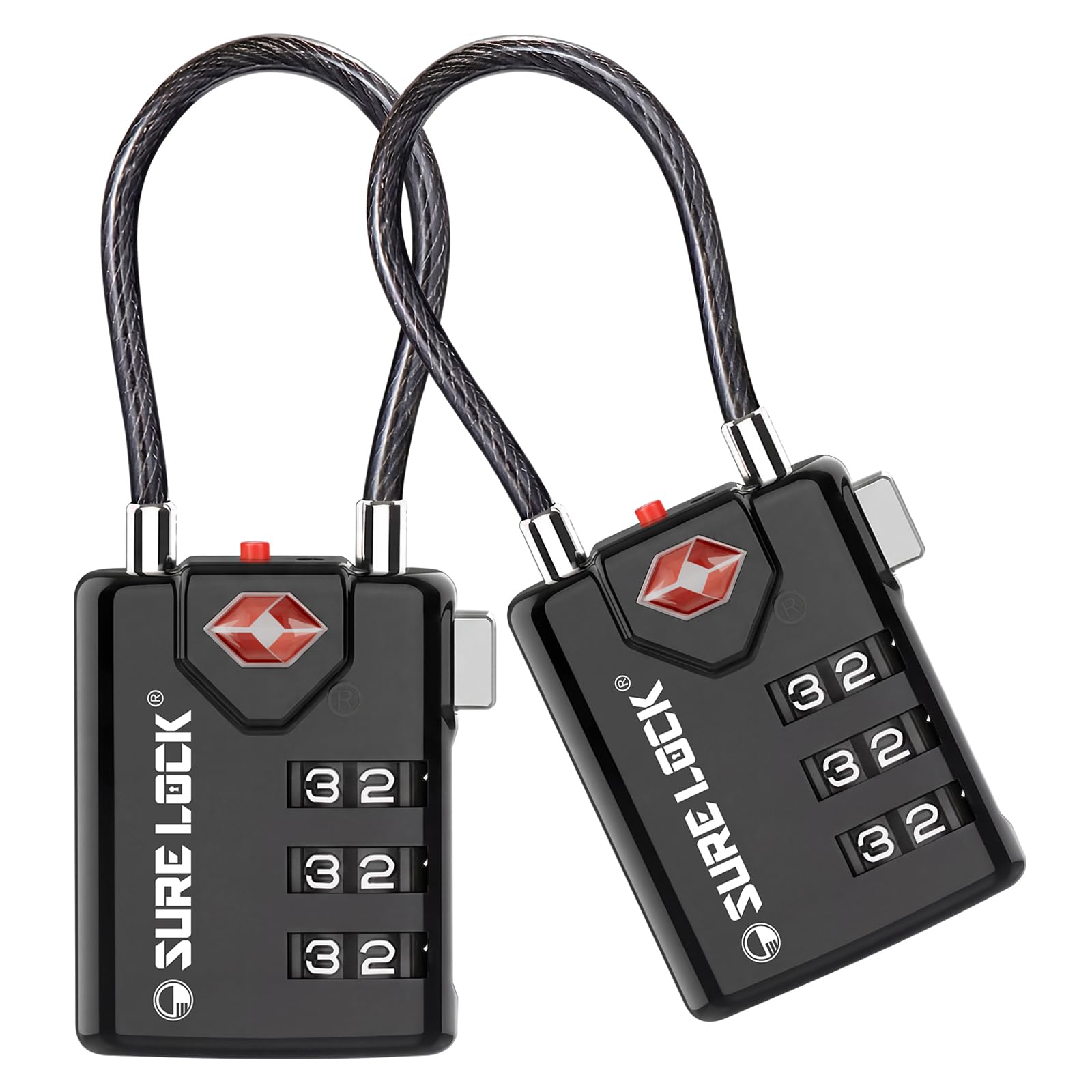 SURE LOCK TSA-Approved Luggage Locks (2-Pack)
on Amazon
 The Sierra Satchel
$59.99