
By Isla Quinn
A story goes around Berea. One of the college’s biggest donors, it says, first met the place as a wedding present. A broom.
Believe it or not, that fits. Brooms are what Berea is known for. But the brooms are the doorway, not the house.
A college that doesn’t charge tuition
Berea College opened in 1855 as the first interracial and coeducational college in the South. Every student receives a tuition-free education, and every student works. That is the Labor Program, and one of its jobs is craft. Students make things, the college sells them, and the sales help support the no-tuition promise.
The history is not tidy. Kentucky law forced the college to segregate in 1910, and it stayed segregated until 1950. The craft departments have been integrated and coeducational ever since, according to the Decorative Arts Trust. Berea College and its Black alumni raised money from Black communities and wealthy industrialists to build the Lincoln Institute, which ran from 1912 to 1966 as a segregated complement to the college. Any honest account of Berea’s craft tradition has to hold all of that at once.
Four crafts, one campus
Student Craft began in 1893 with weaving, then called Fireside Industries. Woodcraft followed in 1895. Broomcraft and ceramics came in 1920. More than 100 students work in the program, and their work is sold through the Berea College Visitor Center and Shoppe and online.
The brooms have an odd origin. The college says broomcraft was introduced in 1920 to give students who worked on the college farm something to do in winter. For decades it was close to a production line, and the program once made thousands of brooms for Sears. Then it changed. The program moved away from mass production toward student-led design, in the words of its director, with an emphasis on the student voice and the student idea.
The brooms now come in bright colors: orange, blue, green, red. WEKU reported in 2022 that broomcraft makes about 5,000 items a year. Smithsonian Magazine describes Berea’s as the longest continuously operating broomcraft workshop in the country. That is the magazine’s claim, not something we could confirm against another source.
Weaving and the rest
Weaving came first and is still the oldest of the four. The Berea Student Craft program also runs woodcraft, ceramics and a craft education outreach program, which is its newest. The Decorative Arts Trust notes that the college marketed the early departments together as Fireside Industries and Wood Craft until 1936, when they were unified as Berea Student Craft Industries. Early on, Berea’s craft sales grew out of Appalachian material culture, automobile tourism and mail-order catalogs, according to an exhibition on the program at the University of Wisconsin-Madison.
Walking it
Berea is often called the arts and crafts capital of Kentucky. Student work is sold at the Berea College Visitor Center and Shoppe and at the Log House Craft Gallery. The Berea Craft Festival runs every July. Smithsonian reported that it draws more than 8,000 people, which it described as equal to half the town’s population.
Go in the quiet months if you want to talk to people. Go in July if you want the crowd. Either way, pick up a broom. Feel the weight of it. Look at how the handle is joined.
Hours, festival dates and which workshops take visitors all change, so check with the college before you plan a day around any of them.
What we like about it
It’s a place where a craft is also a reason. Students make things so the college can stay free. That is a good thing to stand next to, and a rare one.
Roam first. Shop later.
Shop Sephari Picks
As an Amazon Associate we earn from qualifying purchases. Some items below are sponsored affiliate products.
 Wanderer Leather Trolley Suitcase
$350.00
 Leather Carry-On Trolley Bag
$499.00
 The Peterson Leather Duffle
$140.00
Ad
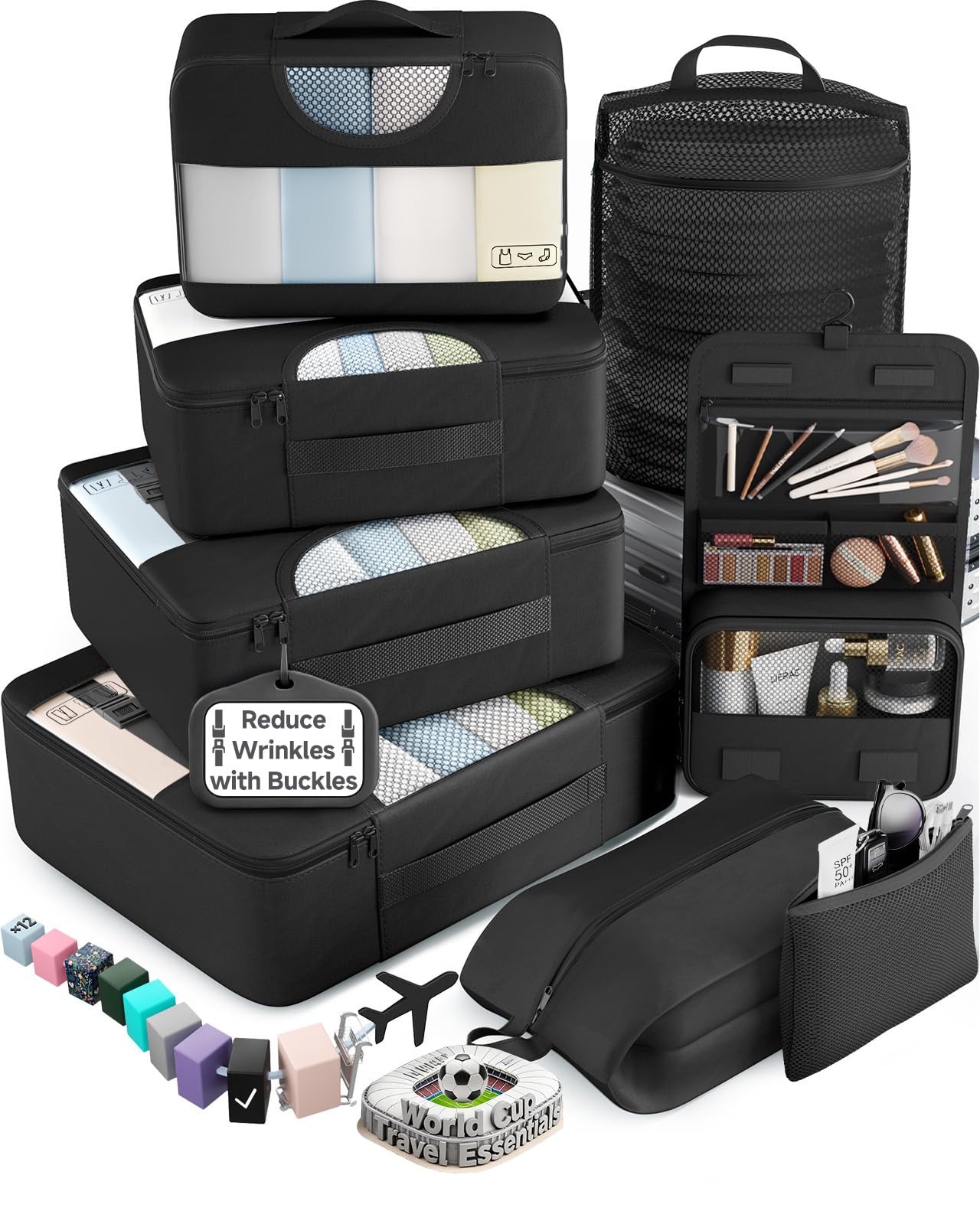 Veken 8-Set Packing Cubes for Travel
on Amazon
 Tan Leather Trolley Bag 44L
$240.00
 Traveler Weekender Duffle
$120.00
 Walker Leather Weekender Bag
$130.00
Ad
 Ringsun Genuine Leather Luggage Tags (2-Pack)
on Amazon
 Nocona Hiker Men's Belt
$42.00
 Waterline Braided Belt
$35.00
 Teddy Cattleman Cowboy Hat
$156.00
Ad
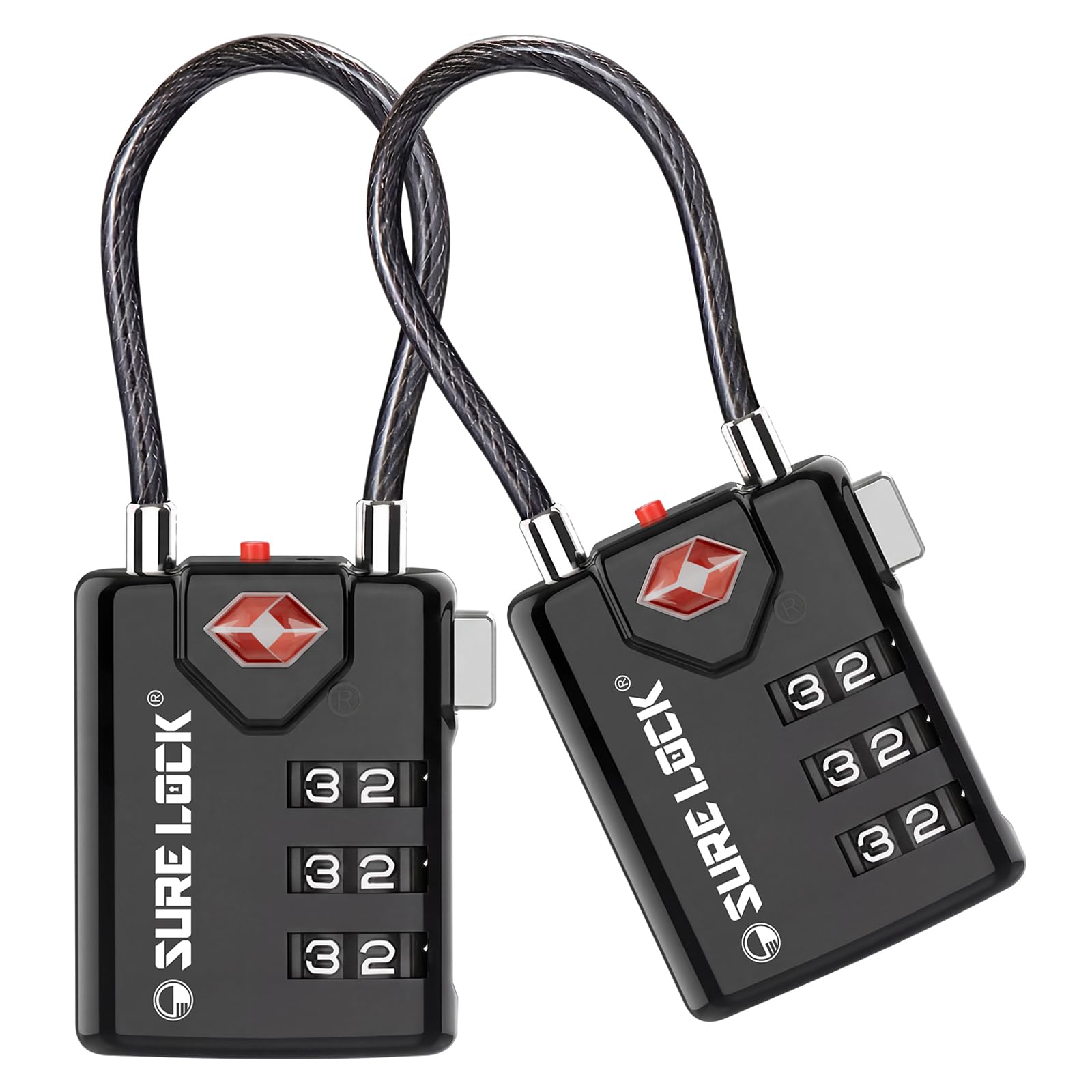 SURE LOCK TSA-Approved Luggage Locks (2-Pack)
on Amazon
 The Sierra Satchel
$59.99