
By Rafe Calder
Forty to one. That is the arithmetic of maple syrup, and everything else follows from it.
On average it takes 40 gallons of sap to make a single gallon of syrup. The Vermont Maple Sugar Makers’ Association says the range can run from 20 gallons to 100, depending on the year and the trees. Sap from a sugar maple is mostly water, crystal clear, with about 2 percent sugar. Boil the water off and what is left is what goes on the pancakes.
Vermont makes more of it than any other state. The association puts the 2025 crop at roughly 3.06 million gallons, about half of the national total.
Why the weather decides
The season is short. A typical one runs four to six weeks, and it needs a particular rhythm of weather: nights below freezing, days that reach at least the 40s Fahrenheit. That freeze-and-thaw builds pressure inside the tree and pushes the sap out. When the warm days of late spring arrive, the run ends. Sometimes spring arrives earlier than anyone wants.
So a sugarmaker is always watching the forecast. The flow is weather dependent and unpredictable, according to Runamok Maple, a Vermont producer, and during a big run it is not unusual to boil around the clock for days straight. The association says the trees respond to changes of only a few degrees, and that maple production is uniquely exposed to the risks of climate change. It describes the effects of the past century’s warming as already real.
Which trees? A maple needs to be about 40 years old, and generally 10 to 12 inches across, before it is large enough to tap. Some trees in Vermont sugarbushes are more than 200 years old. A sugarbush, by the way, is the whole stand of trees, not a single one.
Boiling
Each tap hole gets a spout. The sap runs into a bucket, a bag or a line of tubing, down by gravity or pulled by a vacuum pump to a tank at the sugarhouse. Many producers then run the sap through a reverse osmosis machine, which removes a share of the water before the boil and so takes less time and energy to finish. Runamok Maple says its woods carry more than 1,200 miles of tubing. Others still use buckets: one Vermont farm, Bragg Farm, is reported to collect sap in buckets and boil over a wood-fired evaporator.
The boil happens in an evaporator. In most sugarhouses, stainless pans sit on top of an arch, a firebox where wood, oil, wood chips or pellets make an intense fire. As the water leaves, the sap thickens, and clouds of sweet steam come out of the cupolas and stacks.
The finish line is a number. Syrup is generally done at 219 degrees Fahrenheit, which is 7 degrees above the boiling point of water where you are standing. Even then it is not finished. It has to be filtered, which removes sugar sand, the natural minerals that form during the boil, and then it is graded.
Four colors
Grades follow color and flavor, and they follow the calendar.
Golden, with a delicate taste, is usually made at the start of the season. It was once graded Fancy. The association suggests it for pancakes and waffles, or poured over plain yogurt or vanilla ice cream.
Amber, with a rich taste, comes about mid-season. It is the all-rounder, good in dressings, cocktails and barbecue sauce. The association says if you only keep one grade in the kitchen, make it this one.
Dark, with a robust taste, arrives as the season moves on. It stands up to smoky and spicy partners: chipotle, sriracha, bourbon, and glazes for squash or meat.
Very dark, with a strong taste, is made at the end of the season. It is the baking grade, for breads, cookies and barbecue sauce, where you want maple to speak up.
Four colors, one tree, a few weeks apart.
The rest of the year
Sugarmaking does not stop in April. The association lists what fills the other months: managing the forest, pulling spouts, replacing lines, cleaning equipment, and splitting and stacking wood for the arch. Sugarmakers are also, it notes, business managers, food safety specialists and maintenance technicians. In the months before the first run, they are out tapping trees.
Many make other products from their syrup to sell at the sugarhouse, at farmers’ markets and online, and the holidays bring mail orders.
Going to see it
If you want to see it in person, the association runs a statewide map of sugarhouses and lists events and tours. The calendar is theirs to set, so check with a sugarhouse before driving to it. Production is weather-driven, and dates can shift from year to year.
If a sugarhouse offers sugar on snow, take it. National Geographic describes it as maple syrup heated to 235 degrees Fahrenheit and drizzled over fresh snow, and calls it the most Vermont way to eat maple.
On the shelf at home
Store sealed, unopened syrup in a cool, dark place. Once it is opened, the association recommends the refrigerator or the freezer, and says to throw out any syrup with visible mold. It also notes that larger containers often cost less per ounce, and suggests repacking into smaller containers, with mason jars as one option so you can see how much is left.
For the record, there is a formula that sugarmakers use to estimate how much sap a given batch needs. It is called the Jones Rule of 86, and the University of Vermont hosts the updated version. We are not going to try to explain it. Forty to one will do.
Roam first. Shop later.
Shop Sephari Picks
As an Amazon Associate we earn from qualifying purchases. Some items below are sponsored affiliate products.
 Wanderer Leather Trolley Suitcase
$350.00
 Leather Carry-On Trolley Bag
$499.00
 The Peterson Leather Duffle
$140.00
Ad
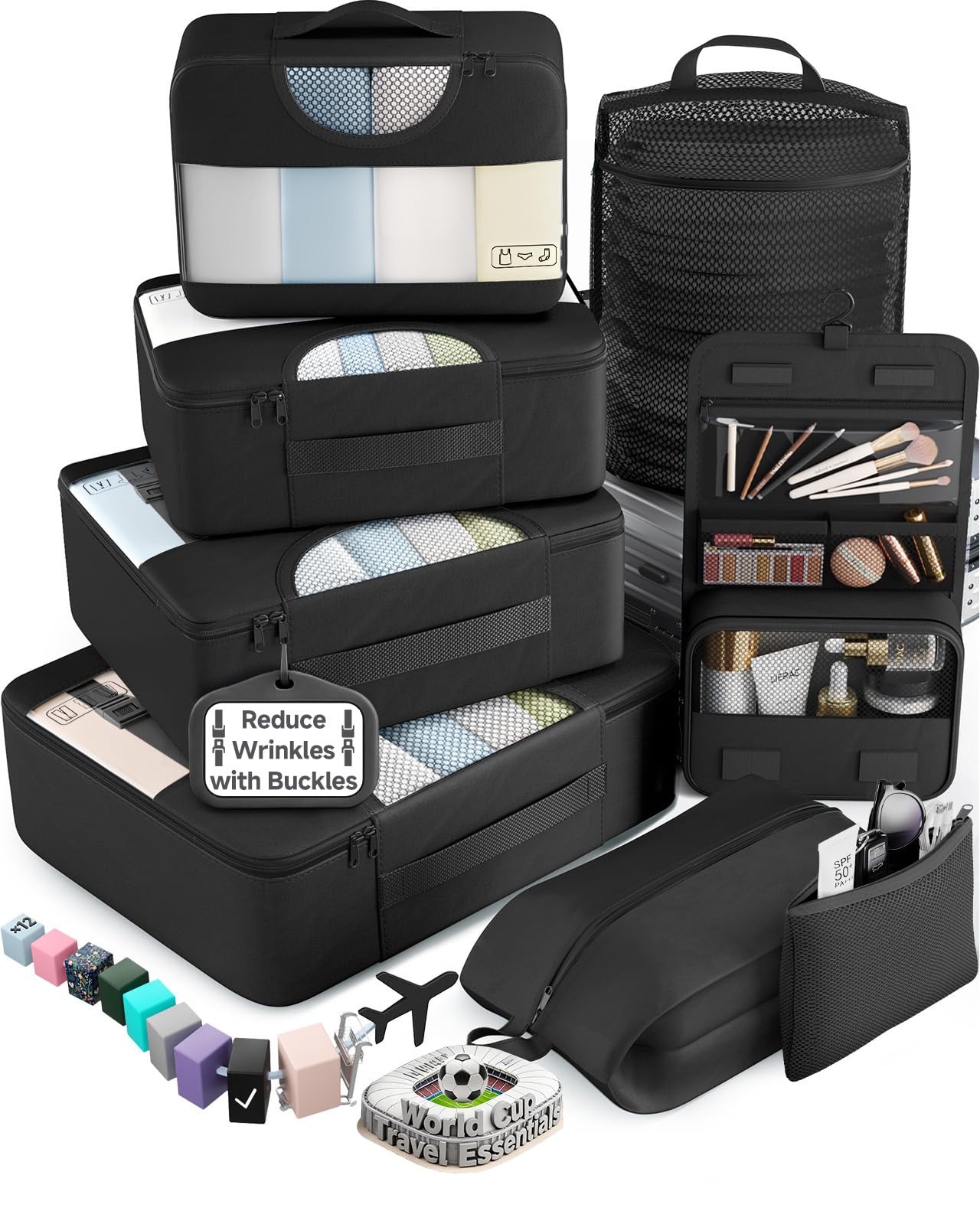 Veken 8-Set Packing Cubes for Travel
on Amazon
 Tan Leather Trolley Bag 44L
$240.00
 Traveler Weekender Duffle
$120.00
 Walker Leather Weekender Bag
$130.00
Ad
 Ringsun Genuine Leather Luggage Tags (2-Pack)
on Amazon
 Nocona Hiker Men's Belt
$42.00
 Waterline Braided Belt
$35.00
 Teddy Cattleman Cowboy Hat
$156.00
Ad
 SURE LOCK TSA-Approved Luggage Locks (2-Pack)
on Amazon
 The Sierra Satchel
$59.99