
By Isla Quinn
Snow falls. It lands. It starts to vanish. In Jericho, Vermont, one man worked in the gap between the first and the last.
The man and the date
Wilson Bentley was born in Jericho, Vermont, in 1865 and died in 1931. He made his first snowflake photograph in 1885, according to the Smithsonian and the Jericho Historical Society.
The method
The Smithsonian describes a camera fitted to a microscope, used to photograph snow crystals.
How many pictures
The Smithsonian Institution Archives puts the number of his snowflake photographs at 2,300. His book, \Snow Crystals\, appeared in 1931.
Where the pictures are
The Jericho Historical Society, a local historical society, says its mission includes preserving Bentley’s legacy. Its Snowflake Bentley Exhibit includes original snowflake photographs, a camera and memorabilia, and it says the exhibit is free to the public. The society also runs a craft shop.
Dates in order
\- 1865: birth in Jericho, Vermont.
\- 1885: first snowflake photograph.
\- 1931: \Snow Crystals\ is published, and Bentley dies that year.
What kind of sources these are
The Smithsonian Institution Archives and Smithsonian Torch blog, the Linda Hall Library, the Snowflake Bentley biography site and the Jericho Historical Society, a local nonprofit that describes its own collection and craft shop. We found no independent science source for the physics of snow crystals, so we say nothing about why they take the shapes they do.
Reading the numbers
Our reading is that the two figures, more than 5,000 images and 2,500 in the book, tell you how the work was organized. He photographed over decades, from the first image in January 1885 to the book in 1931, which is 46 years. If the 5,000 figure is right, that works out to about 109 images for each of those years, though the article does not say how evenly they were spread, and snow only falls in some months. A winter’s worth of cold mornings produced the stock, and the book was a selection from it.
The book’s co-writer was William J. Humphreys of the U.S. Weather Bureau. The article does not say what his role was beyond co-writing, so we do not describe it. It is worth noticing only that a government weather office and a farm in Jericho ended up on the same title page.
A winter visit, carefully
The historical society page says the exhibit is free to the public and sits in the mill headquarters. We leave the hours out because they change. The snowflake items in its craft shop are described only as snowflake items, so we say nothing about what they are or who makes them.
Questions a buyer would ask
Can I see the originals? The historical society says its exhibit includes original snowflake photographs. Hours change by season, so check with the society directly.
Do the sources say anything about the camera’s make? They do not.
What we left out
We left out opening hours, which the society lists but which change. We left out the contact details. We left out the physics of why crystals are six-sided, because no loaded source covered it.
Quick answers
When did Bentley take his first snowflake photograph? In 1885, in Jericho, Vermont, according to the Smithsonian and the Jericho Historical Society.
How did he photograph snowflakes? The Smithsonian describes a camera fitted to a microscope.
Where can his photographs be seen? The Jericho Historical Society says its free Snowflake Bentley Exhibit includes original photographs, a camera and memorabilia.
Related on this site: berea-kentucky-folk-arts-crafts-capital, rookwood-pottery-cincinnati-glazes-and-history, pendleton-woolen-mills-oregon-shirts-and-mill
Roam first. Shop later.
Shop Sephari Picks
As an Amazon Associate we earn from qualifying purchases. Some items below are sponsored affiliate products.
 Wanderer Leather Trolley Suitcase
$350.00
 Leather Carry-On Trolley Bag
$499.00
 The Peterson Leather Duffle
$140.00
Ad
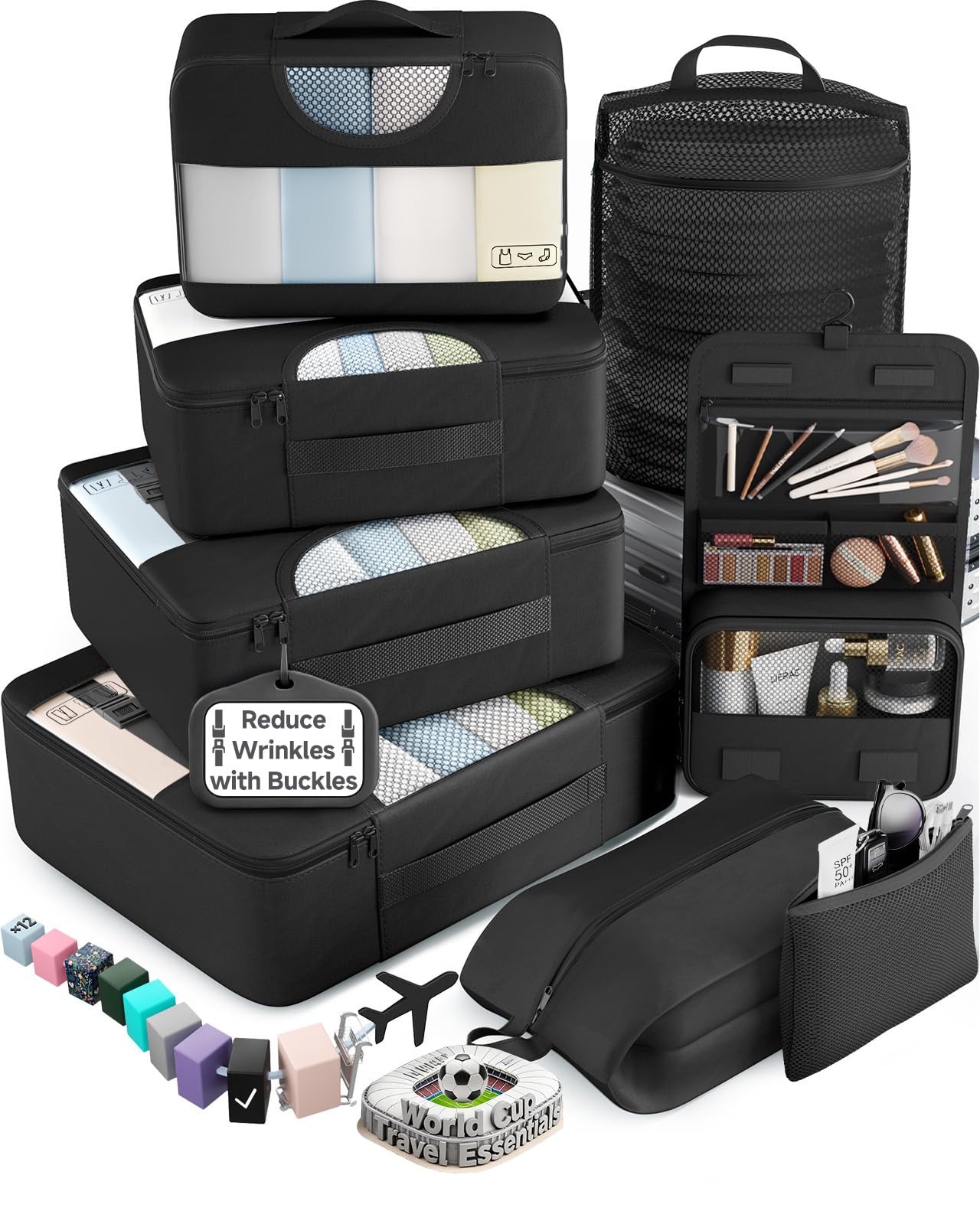 Veken 8-Set Packing Cubes for Travel
on Amazon
 Tan Leather Trolley Bag 44L
$240.00
 Traveler Weekender Duffle
$120.00
 Walker Leather Weekender Bag
$130.00
Ad
 Ringsun Genuine Leather Luggage Tags (2-Pack)
on Amazon
 Nocona Hiker Men's Belt
$42.00
 Waterline Braided Belt
$35.00
 Teddy Cattleman Cowboy Hat
$156.00
Ad
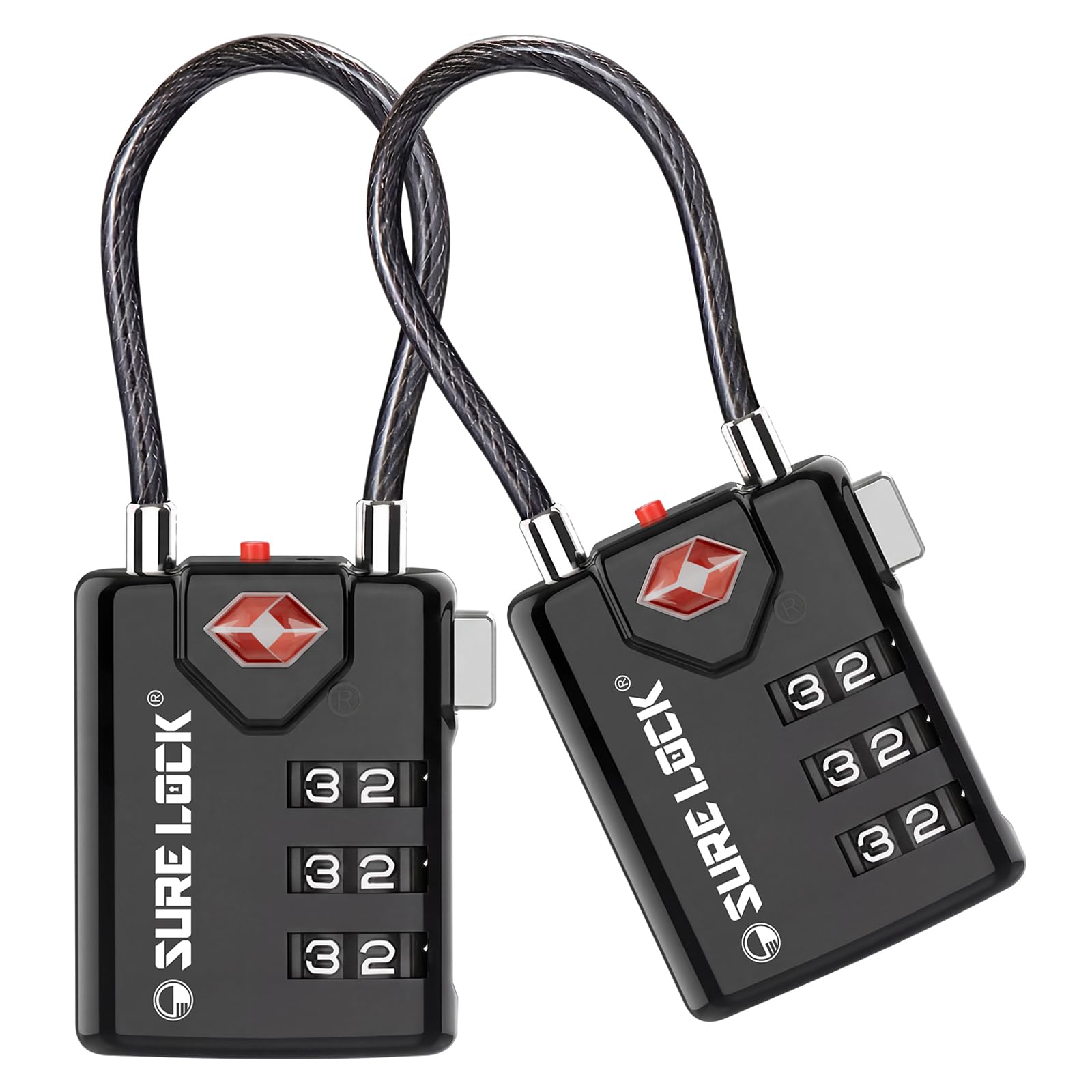 SURE LOCK TSA-Approved Luggage Locks (2-Pack)
on Amazon
 The Sierra Satchel
$59.99