
By Rafe Calder
A pottery starts, grows, goes bankrupt, changes hands and comes home. Rookwood, in Cincinnati, Ohio, did all of that, and the dates are tidy enough to set out in a row.
Dates in order
According to Wikipedia, the pottery was founded in 1880 by Maria Longworth Nichols Storer, the daughter of Joseph Longworth, and the first ware came out of the kiln on Thanksgiving Day that year. The first pottery was in a renovated schoolhouse on Eastern Avenue in Over-the-Rhine. A second building went up on Mount Adams in 1891 and 1892, built by H. Neill Wilson.
Architectural pottery began in 1902 under William Watts Taylor, and the article says its tiles and fireplaces appear in Cincinnati buildings and at other sites. Rookwood filed for bankruptcy on April 17, 1941. The Herschede Clock Company bought it in 1959 and moved production to Starkville, Mississippi. Production ceased in 1967. In 1982 the remaining assets were bought by a private buyer, and in 2004 investors helped move the company back to Cincinnati. The company acquired the original assets in 2006.
That is a long gap. The article gives a founding, a 1941 bankruptcy, a 1959 sale, a 1967 stop, a 1982 purchase and a 2004 return, and we have not found a source that explains what the pottery made in every one of those years.
Four glazes, side by side
Wikipedia names four glazes. The Standard Glaze is described as a yellow-tinted, high-gloss clear glaze. Iris, from 1894, is a clear, colorless glaze. Sea Green, also from 1894, is a clear, green-tinted glaze. Vellum, from 1904, is a matte glaze that lets underglaze decoration show through.
Read that list again. Three of the four are clear glazes. The difference is the tint, or in Vellum’s case the finish. Our reading is that a Rookwood piece is mostly about what is painted under the glaze, and the glaze decides how it is seen: shiny, tinted or soft.
Why the clear glazes matter to a buyer
If a glaze is clear, the painting under it is the subject. If it is matte, as Vellum is, the decoration shows through a softer surface. That is a practical way to read a glossy vase against a matte one at a shelf. It is not a way to authenticate anything. The article says nothing about how to authenticate a piece.
Counting the years
Our reading of the dates is that the story has three long stretches and several short ones. From the first Thanksgiving kiln in 1880 to the 1941 bankruptcy is 61 years. From the 1959 sale to the stop in 1967 is eight years, and those were the years the pottery ran in Starkville, Mississippi, away from the city where it began. From 1967 to the 1982 asset purchase is 15 years in which, as far as the article says, nothing was made. Then 2004 and 2006 sit only two years apart: the move back to Cincinnati, then the acquisition of the original assets.
None of that is a judgment about quality in any period. It is arithmetic on the dates the article gives, and it is a reminder that a piece described as “Rookwood” could come from very different companies and places depending on its year. The article does not say which years are most sought after, and we will not guess.
Two buildings, one city
The company has had at least three homes in Cincinnati by the article’s account: the renovated schoolhouse on Eastern Avenue, the Mount Adams building from 1891 and 1892, and a return to Over-the-Rhine. The Mississippi years are the exception. If you are planning a visit to Cincinnati around the winter holidays, the article does not tell you what you can see at any of these addresses, so check current information with the company or a local tourism office before you build a day around it.
What we could not find
Many people who search for Rookwood want to date a piece from its marks. The Wikipedia page we loaded does not mention flame marks, Roman-numeral year marks or any other mark system, so we say nothing about them. If you hold a piece and want its date, a museum collection record or an auction house with a catalog entry is a better route than anything in this article.
What kind of sources these are
We loaded one source for this piece, and it is Wikipedia, a collaboratively edited encyclopedia. We tried the company’s own history page, a Cincinnati museum page and a state history site; none loaded. This is a Wikipedia-only piece, and it is a last-resort topic. Treat each date as “according to Wikipedia” until you check a museum record.
Questions a buyer would ask
Is Rookwood still made? According to Wikipedia, the company returned to Cincinnati in 2004 and acquired the original assets in 2006, but the article does not say what is made today.
Where was the pottery located? The first pottery was in Over-the-Rhine, the second on Mount Adams, and the company has since returned to Over-the-Rhine.
Does the article say how to tell an original from a copy? It does not.
What we left out
We left out the names of the people who bought the pottery in the 1980s and 2000s, because they appear to be living. We left out prices, auction results, and any claim about value. We left out marks.
Quick answers
When was Rookwood founded? According to Wikipedia, in 1880 in Cincinnati, Ohio, with the first ware coming from the kiln on Thanksgiving Day that year.
What is Vellum glaze? Wikipedia describes it as a matte glaze, from 1904, that lets underglaze decoration show through.
When did the original company stop? According to Wikipedia, production ceased in 1967, after a 1941 bankruptcy and a 1959 sale.
Related on this site: berea-kentucky-folk-arts-crafts-capital, snowflake-bentley-jericho-vermont-photographs, pendleton-woolen-mills-oregon-shirts-and-mill
Roam first. Shop later.
Shop Sephari Picks
As an Amazon Associate we earn from qualifying purchases. Some items below are sponsored affiliate products.
 Wanderer Leather Trolley Suitcase
$350.00
 Leather Carry-On Trolley Bag
$499.00
 The Peterson Leather Duffle
$140.00
Ad
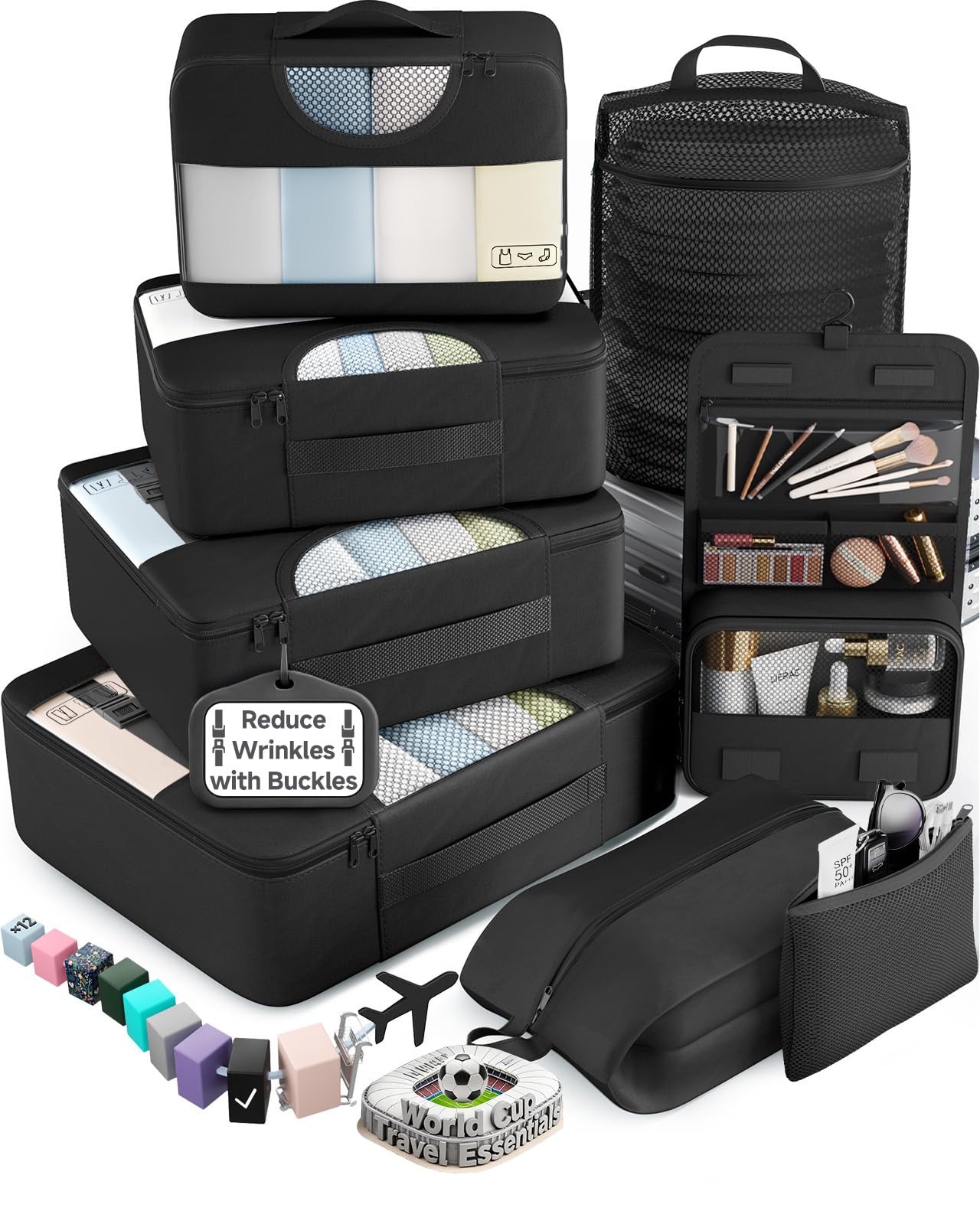 Veken 8-Set Packing Cubes for Travel
on Amazon
 Tan Leather Trolley Bag 44L
$240.00
 Traveler Weekender Duffle
$120.00
 Walker Leather Weekender Bag
$130.00
Ad
 Ringsun Genuine Leather Luggage Tags (2-Pack)
on Amazon
 Nocona Hiker Men's Belt
$42.00
 Waterline Braided Belt
$35.00
 Teddy Cattleman Cowboy Hat
$156.00
Ad
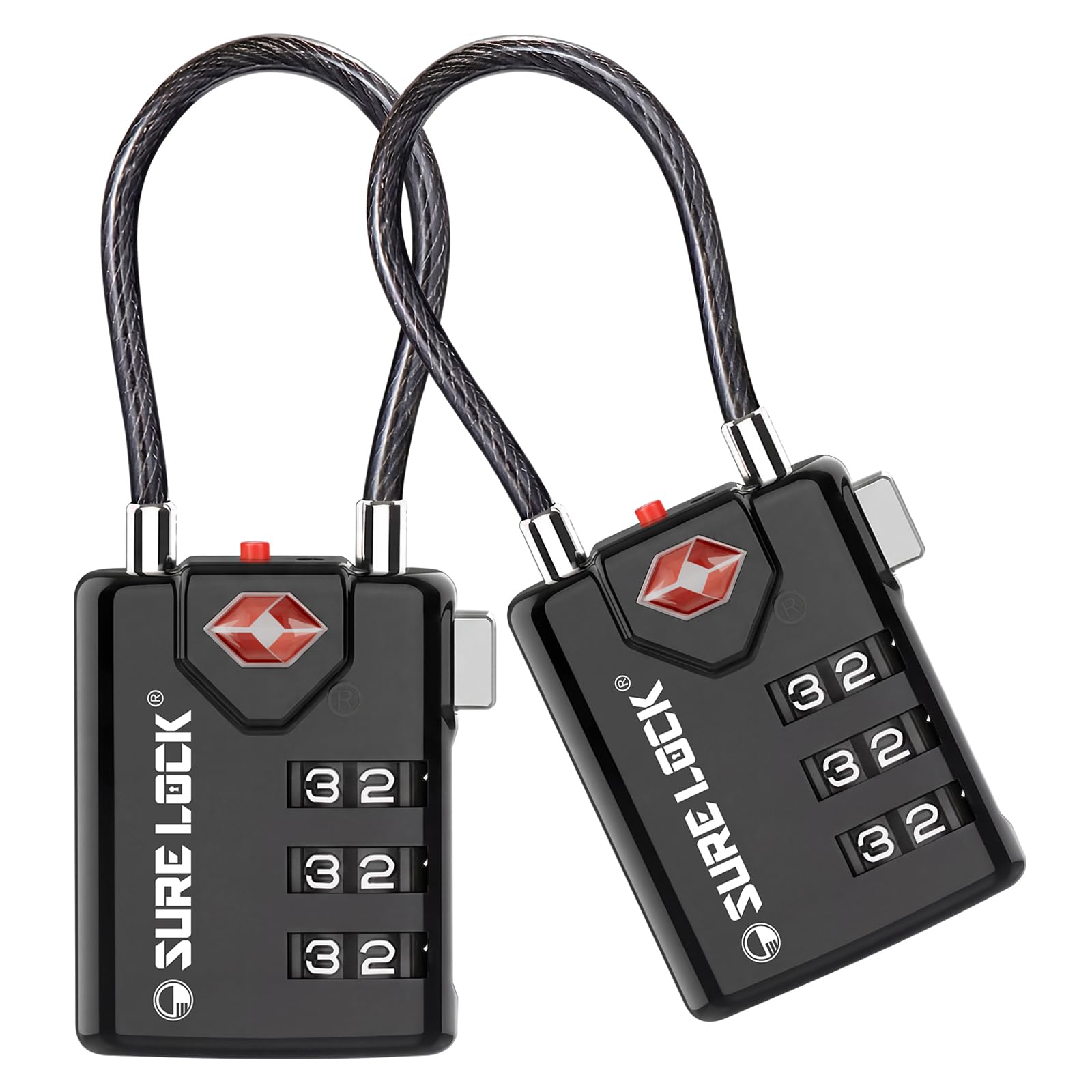 SURE LOCK TSA-Approved Luggage Locks (2-Pack)
on Amazon
 The Sierra Satchel
$59.99