
By Porter Lang
Start with the shape. A Duluth pack is nearly square. That is deliberate. It sits flat in the bottom of a canoe, it does not roll, and it comes out and goes onto your back when the water ends and the trail begins.
Who made the first one
The company’s own history page says Camille Poirier, a shoemaker, went to Duluth, Minnesota, in 1870 and expanded from shoes into canvas packs.
The company’s own history page, a producer’s site, adds a few dates. It says Poirier was born in Montreal in 1838, immigrated to the United States in 1865, and went to Duluth in 1870, where he outfitted workers with shoes and expanded into canvas packs. It gives December 12, 1882, as the date he patented the “C. Poirier Pack Strap,” now called a tumpline, a strap that attaches to a canvas pack sack and is worn across the forehead.
What the patent covered
Here the sources use different words. Wikipedia says the 1882 patent was for a pack-sack strap design. The company page says it was for the pack strap. Gear Patrol, a gear magazine, says Poirier filed a patent for a new kind of portage sack. We show all three and do not choose between them. The company page also lists a birth year of 1838 in its text and 1839 in its timeline header.
How the pack is built
The company’s product listings mention 15-ounce canvas with leather straps.
Gear Patrol describes the 1882 bag as a large canvas sack with a foldover flap and leather buckling straps, with a forehead tumpline modeled on those used by Sherpa porters and a sternum strap. It calls this the prototypical #4 Duluth pack. The company’s product listings use number-based names, such as #2, #3 and #4, and mention 15-ounce canvas with leather straps.
Why it is square
Wikipedia says the packs are nearly square so they fit in the bottom of a canoe, and it ties their use to canoe travel in the Boundary Waters region of northern Minnesota and in Quetico Provincial Park in Ontario, where gear is carried over portages. Gear Patrol describes portages as muddy trails between lakes in the Boundary Waters Canoe Area Wilderness, some of them miles long.
Our reading: the square body and the forehead strap solve different problems. One works with the canoe, the other with the trail.
The business after Poirier
All three sources agree that in 1911 Poirier sold his pack business to the Duluth Tent & Awning Company. Wikipedia says that company later became the Duluth Pack company, and that the name “Duluth pack” then came to refer to any pack made in this style. Gear Patrol describes Duluth Tent and Awning as a small company in Duluth’s West End industrial district.
The company page says that between 1917 and 1930 it sold gear through catalogs and made gear for Orvis, Abercrombie & Finch, and Gokey. It says it opened a store in Canal Park, Duluth, in 1991, and that it has made its goods in Duluth since 1882. That is the company’s claim about itself. We could not test it.
Inside the shop
Gear Patrol, writing in 2011 and updated in 2021, says the company still operates from its original West End building and that its original products are still made by hand. Rolls of leather, canvas and wool are stored in the basement and cut to patterns. Industrial sewing machines stitch the canvas and leather, and riveters hand-set snaps and reinforcement points. The writer noted hammer marks on the rivets of a Builder’s Portfolio, and a small tag inside each one he inspected, signed by the person who stitched it.
Questions a buyer would ask
What is the pack made of? Canvas and leather, sometimes Cordura nylon, according to Wikipedia. What does “Duluth pack” mean? Wikipedia says the name came to cover any pack in this style, so a pack with the name on it is not automatically from the Duluth company.
Dates in order
- 1870: Poirier arrives in Duluth.
- December 12, 1882: patent date given on the company page.
- 1911: Poirier sells the business to Duluth Tent & Awning.
- 1917 to 1930: catalog sales and gear made for other brands, per the company page.
- 1991: Canal Park store opens.
Side by side
| Question | Wikipedia | Company page | Gear Patrol |
|---|---|---|---|
| What was patented in 1882 | Pack sack strap design | Pack strap (tumpline) | A portage sack |
| Poirier’s birth | Not stated | 1838 (timeline says 1839) | Not stated |
| Sold the business | 1911 | 1911 | 1911 |
| Where the strap idea came from | Not stated | Not stated | Modeled on Sherpa porters |
What kind of sources these are
Wikipedia is an encyclopedia anyone can edit. The company history page is a producer’s own site. Gear Patrol is a gear magazine that visited the workshop. No museum or historical society page loaded.
What we left out
Capacity figures, the company’s guarantee, prices, and any claim about how current packs perform in the field.
Quick answers
Who invented the Duluth pack? The company’s history page credits Camille Poirier, a shoemaker who arrived in Duluth in 1870 and patented his pack strap on December 12, 1882.
What is a tumpline? The company’s history page calls it a strap that attaches to a canvas pack sack and is worn across the forehead.
Why are Duluth packs square? Wikipedia says they are nearly square so they fit in the bottom of a canoe.
Related on this site: corning-new-york-glass-museum-hot-shop, crayola-crayons-1903-wax-and-pigment, collin-street-fruitcake-mail-order-history
Roam first. Shop later.
Shop Sephari Picks
As an Amazon Associate we earn from qualifying purchases. Some items below are sponsored affiliate products.
 Wanderer Leather Trolley Suitcase
$350.00
 Leather Carry-On Trolley Bag
$499.00
 The Peterson Leather Duffle
$140.00
Ad
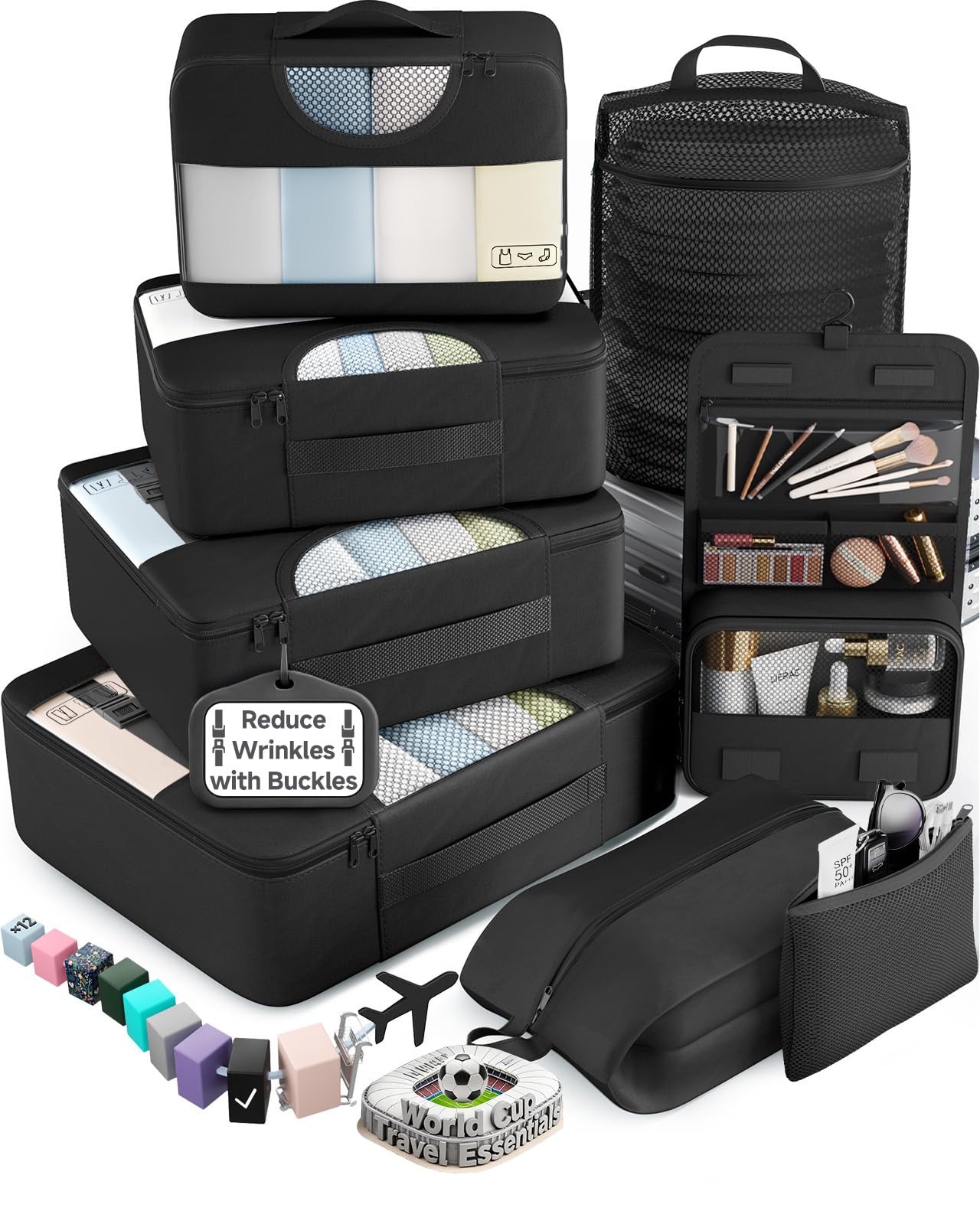 Veken 8-Set Packing Cubes for Travel
on Amazon
 Tan Leather Trolley Bag 44L
$240.00
 Traveler Weekender Duffle
$120.00
 Walker Leather Weekender Bag
$130.00
Ad
 Ringsun Genuine Leather Luggage Tags (2-Pack)
on Amazon
 Nocona Hiker Men's Belt
$42.00
 Waterline Braided Belt
$35.00
 Teddy Cattleman Cowboy Hat
$156.00
Ad
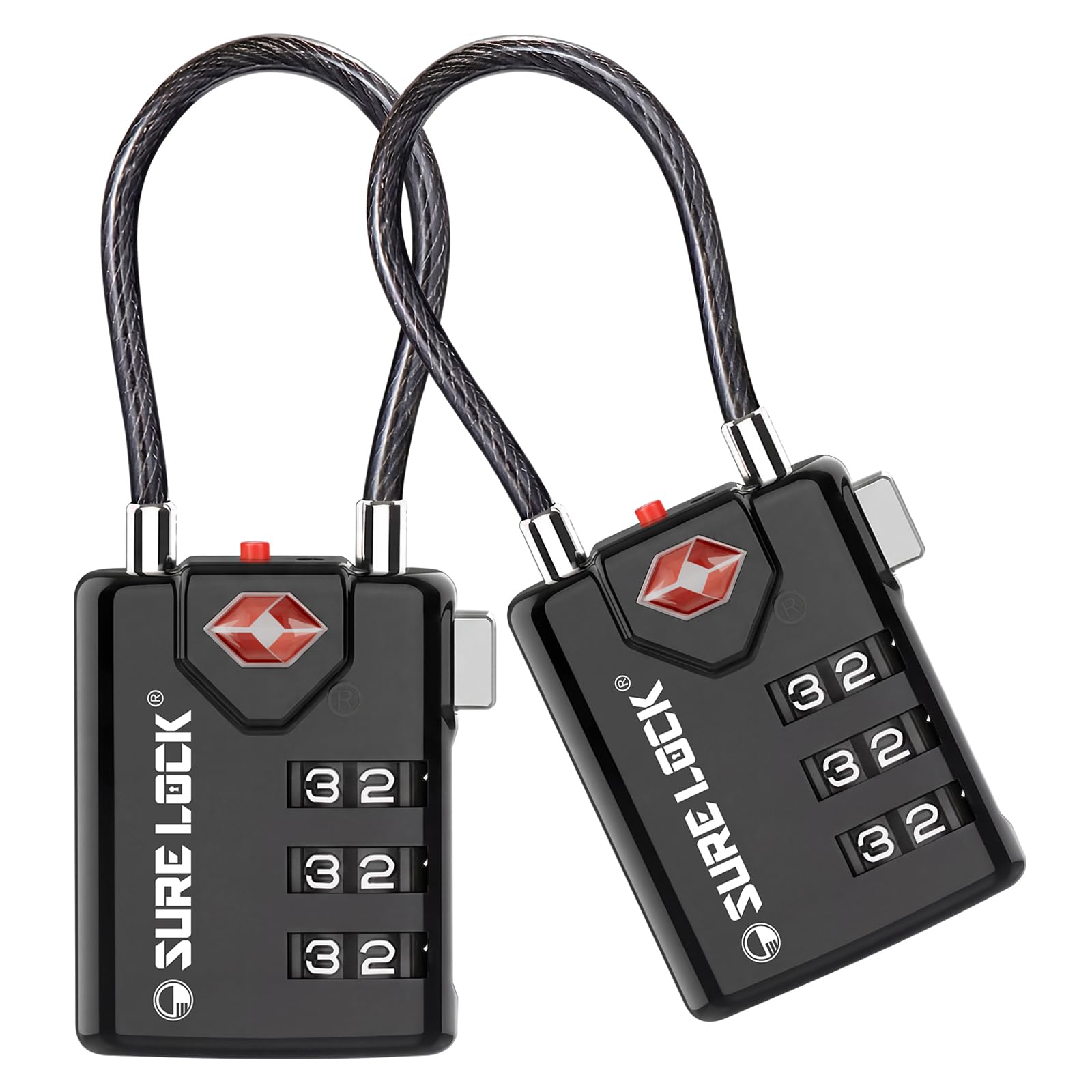 SURE LOCK TSA-Approved Luggage Locks (2-Pack)
on Amazon
 The Sierra Satchel
$59.99