
By Isla Quinn
Red. Orange. Yellow. Green. Blue. Violet. Brown. Black. That was the whole first box.
Before the crayon
Crayola did not start with children. Crayola’s own Canadian site says Binney & Smith is credited with inventing the crayons in 1902, and the company page says Crayola did not invent the crayon itself.
The reference site How Products Are Made adds a detail from the same era: crayons appeared around 1900, and the early black ones were sold mainly to factories as waterproof markers.
The box
Wikipedia says Crayola crayons debuted on June 10, 1903, and that the original pack held eight: red, orange, yellow, green, blue, violet, brown and black. Crayola’s own Canadian site says Binney & Smith is credited with inventing the crayons in 1902 and that they were first offered for sale in 1903. That is a difference in wording, not a conflict: one date is an invention and the other a sale.
The same company page says plainly that Crayola did not invent the crayon. It says the crayon began in Europe, first made from charcoal and oil, then with powdered pigments, and that wax later replaced the oil. It gives no dates for those changes.
Where the name came from
Wikipedia says the name combines the French craie, chalk, with “ola,” from oleaginous, meaning oily. The company’s Canadian page gives the same two parts and credits “Mrs. Edwin Binney” without a first name.
Wax in, color in
How Products Are Made says the base is paraffin, a waxy substance derived from wood, coal or petroleum. It arrives at the factory as a liquid and stays liquid at about 135 degrees Fahrenheit (57 degrees Celsius), so delivery trucks have to stay warm. It dates the first commercial production of paraffin to 1867.
The pigments come as powders, made to the crayon maker’s formulas by suppliers. The page explains why: paraffin will not mix with water or water mixtures, so the color has to be dry. Suppliers mix chemicals in wooden tanks, filter out excess water, kiln-dry the chunks for several days, blend them by color formula and pulverize them into powder.
Older factories poured the wax and pigment mixture by hand from tubs into a bucket and then into molds. Newer machinery pumps the mixture straight into the molds, and some large, older plants use both. The page does not describe the cooling, wrapping or labeling steps, and we do not guess at them.
How many, how safe
The same page says Binney & Smith, then the main American maker, produced more than two billion crayons a year and more than 100 colors, with lines running day and night. The page is undated, so treat the figure as a snapshot of an unstated year.
Dates in order
- 1867: paraffin first produced commercially, per How Products Are Made.
- Around 1900: crayons appear; early black ones go to factories.
- 1902: invention, per Crayola’s Canadian site.
- 1903: first crayons offered for sale, per Crayola’s Canadian site
Side by side
| Question | Wikipedia | Crayola Canada | How Products Are Made |
|---|---|---|---|
| Crayons first offered | June 10, 1903 | 1903 | 1903 |
| Credit for the name | Alice Binney | “Mrs. Edwin Binney” | Not stated |
| Who invented the crayon | Not stated | Not Crayola; it began in Europe | Not stated |
| Wax | Not stated | Wax replaced oil | Paraffin |
What kind of sources these are
Wikipedia is an encyclopedia anyone can edit. The Canadian page is the company’s own FAQ. How Products Are Made is a reference site with no date on the page. No museum page loaded.
What we left out
Prices, scented-crayon trivia, factory output today and the company’s present-day ownership.
Quick answers
When did Crayola crayons first go on sale? Wikipedia says June 10, 1903, in a box of eight colors; Crayola’s own site gives 1903.
What are crayons made of? According to How Products Are Made, a paraffin wax base mixed with powdered pigments.
Who named Crayola? Wikipedia says Alice Binney, from the French for chalk and the word oleaginous; Crayola’s site credits “Mrs. Edwin Binney.”
Related on this site: corning-new-york-glass-museum-hot-shop, duluth-pack-canvas-portage-history, collin-street-fruitcake-mail-order-history
Roam first. Shop later.
Shop Sephari Picks
As an Amazon Associate we earn from qualifying purchases. Some items below are sponsored affiliate products.
 Wanderer Leather Trolley Suitcase
$350.00
 Leather Carry-On Trolley Bag
$499.00
 The Peterson Leather Duffle
$140.00
Ad
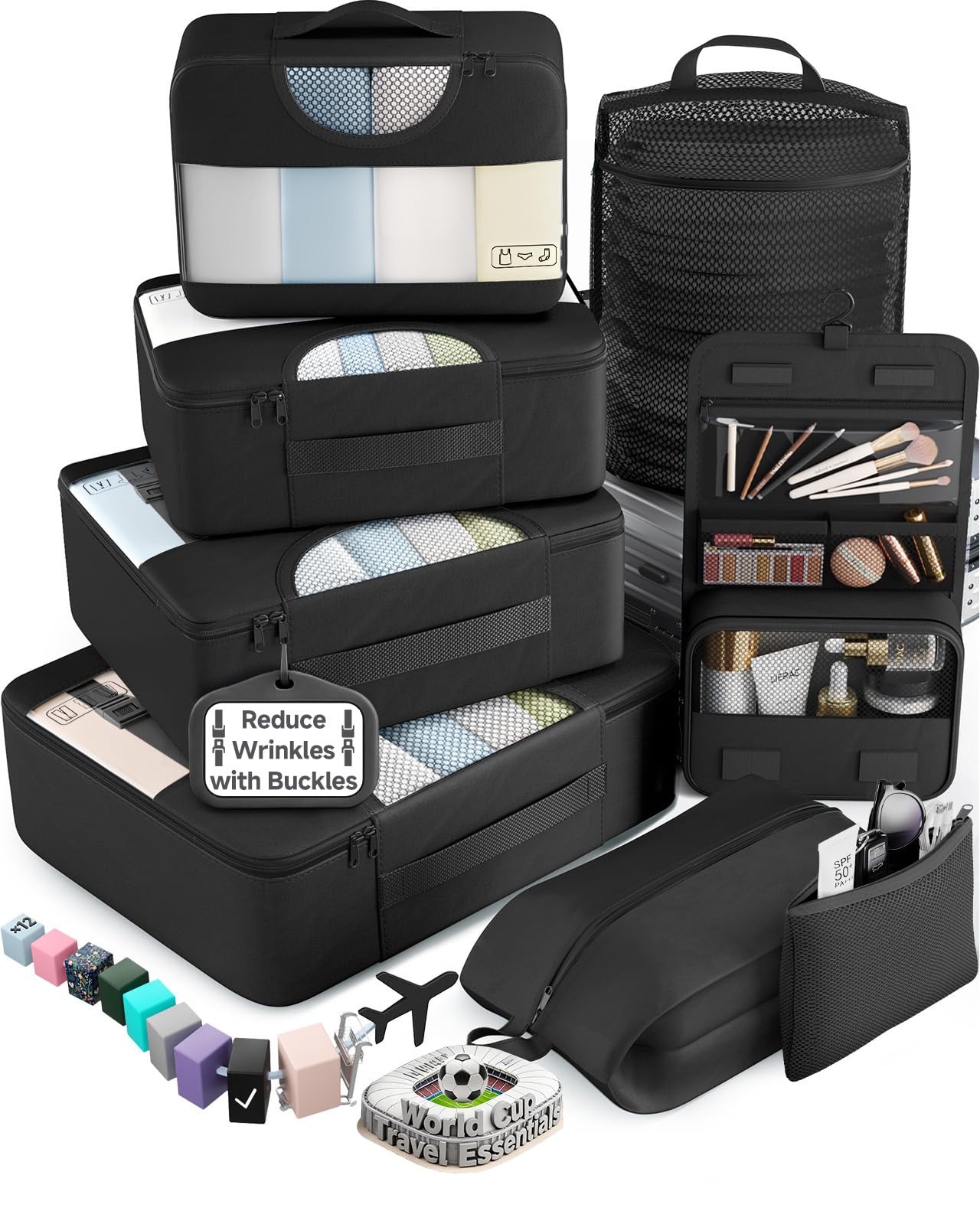 Veken 8-Set Packing Cubes for Travel
on Amazon
 Tan Leather Trolley Bag 44L
$240.00
 Traveler Weekender Duffle
$120.00
 Walker Leather Weekender Bag
$130.00
Ad
 Ringsun Genuine Leather Luggage Tags (2-Pack)
on Amazon
 Nocona Hiker Men's Belt
$42.00
 Waterline Braided Belt
$35.00
 Teddy Cattleman Cowboy Hat
$156.00
Ad
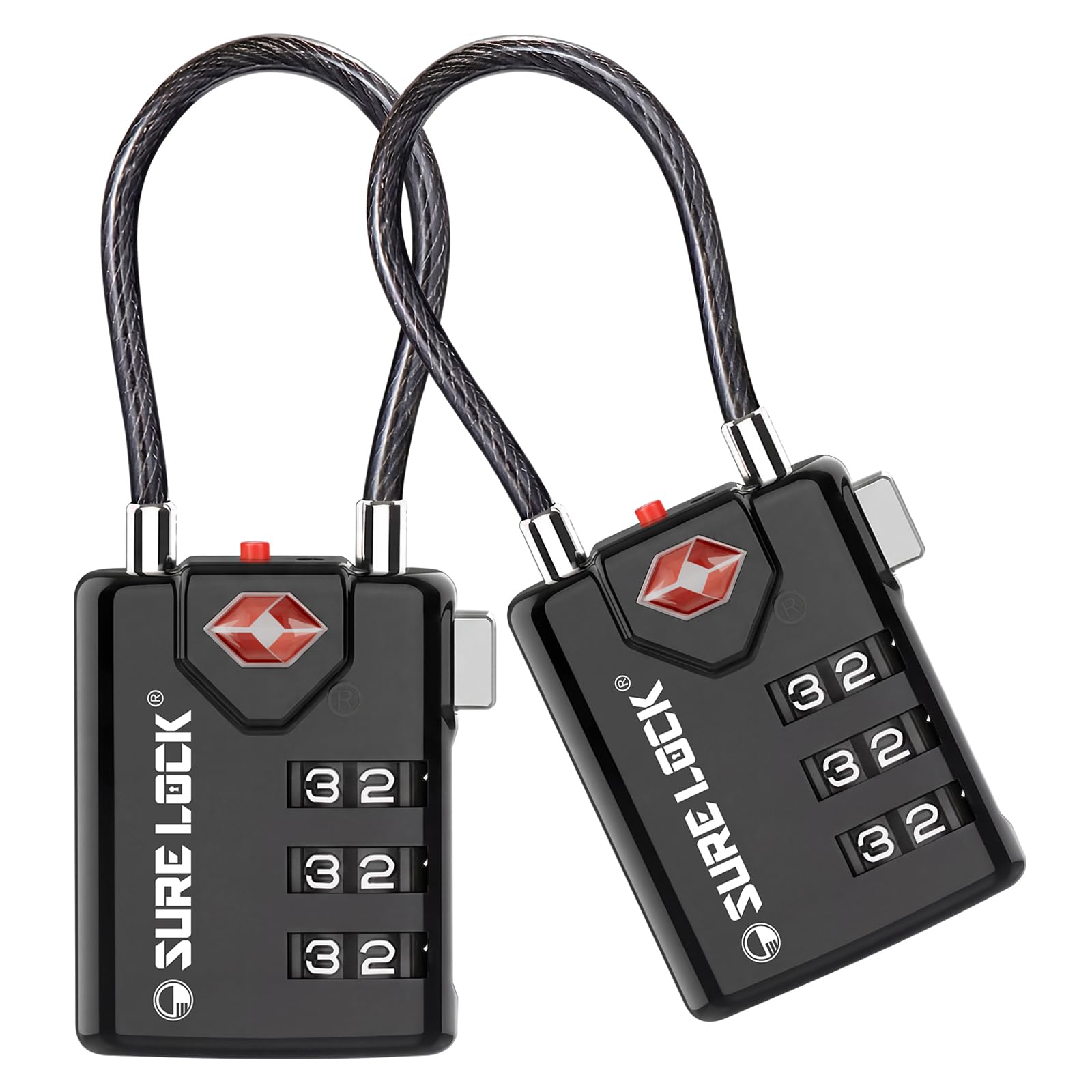 SURE LOCK TSA-Approved Luggage Locks (2-Pack)
on Amazon
 The Sierra Satchel
$59.99