
By Isla Quinn
Knock a spring off a shelf and it flops. In 1943, according to the sources, one spring did something else. It stepped.
The shelf
Wikipedia says Richard T. James, a naval mechanical engineer, saw a spring “stepping” downward after it fell from a shelf and came to rest upright. Lemelson-MIT, a university invention archive, sets the scene: James was working at home on springs meant to support sensitive instruments aboard ships and keep them steady in rough seas. When one fell, it moved in arcs from the shelf to a stack of books to a tabletop to the floor, then re-coiled and stood. The Strong National Museum of Play, which houses the National Toy Hall of Fame, also calls it an accident, in work on ship equipment.
Then came the testing. Wikipedia says he spent about a year trying different steel wires until one would walk. His wife Betty was skeptical, it says, until the neighborhood children got excited.
The name
The museum and the invention archive agree that Betty James chose it. The Strong says she found “Slinky” in the dictionary. Lemelson-MIT says she invented the name. Wikipedia’s text does not say, though it cites an obituary headline crediting her with naming it. We show the small difference and do not resolve it.
The steel
The Strong says a machine James designed turned 80 feet of wire into a two-inch spiral. Lemelson-MIT says he invented machines that could coil 80 feet of steel wire into a Slinky in about 10 seconds. Two inches and 2.5 inches may reflect different Slinkys or different measures; our reading, since the pages do not say.
The evening at Gimbels
Stores were slow to take it. Lemelson-MIT says the first 400 sold in 90 minutes. The Strong says sales were slow at first, then rose after Gimbels held demonstrations for Christmas 1945, and that the first 400 sold “within minutes.”
So the Slinky began as a holiday gift. Our reading: that is a small reason it still turns up in stockings, though no source says so.
Where it was made
Wikipedia says Richard and Betty formed James Industries and began manufacturing in Clifton Heights, Pennsylvania, and that Betty moved the company to Hollidaysburg, Pennsylvania, in 1964. Lemelson-MIT puts the company in Hollidaysburg without mentioning the earlier town. Wikipedia says production continued in Hollidaysburg after the company changed hands in 1998. We leave out the later owners.
The count
The Strong says about 250 million Slinkys sold by the end of the 20th century. Lemelson-MIT says more than a quarter of a billion by the toy’s 50th anniversary in 1995.
Beyond the playroom
Lemelson-MIT says the Navy never took an interest in the springs, but after the toy’s success they found other uses. High school teachers use them to demonstrate waves; U.S. troops in Vietnam used them as mobile radio antennas; and NASA has used them in zero-gravity physics experiments on the Space Shuttle. Wikipedia mentions the classroom and the radio antenna too.
Honors
Wikipedia and The Strong date the National Toy Hall of Fame induction to 2000. Wikipedia adds that in 2003 the toy was included in the Toy Industry Association’s Century of Toys List. It also lists the toy at the Museum of Modern Art in its external links, and shows an original at the State Museum of Pennsylvania in a photo caption. We repeat these as the article gives them.
Why the staircase matters
Wikipedia says it can travel down a flight of steps end-over-end as it stretches and re-forms, with the help of gravity and its own momentum, and can appear to levitate for a moment after being dropped. Betty James, the article says, attributed its success to its “simplicity.” That sounds right to us, though it is a quote from one person, repeated in one article.
Questions a buyer would ask
Is every Slinky steel? Wikipedia describes the original as steel; we read nothing about later materials. Does it walk on a flat table? None of the pages say; they talk about stairs and inclined planes. Is it old? The idea dates to 1943, the first big sales to 1945, according to all three sources.
Dates in order
- 1943: the spring steps off the shelf, according to Wikipedia and Lemelson-MIT.
- Christmas 1945: demonstrations and sales rise, according to The Strong.
- 1995: more than a quarter of a billion sold, according to Lemelson-MIT.
- \- 2000: National Toy Hall of Fame, according to The Strong.
What kind of sources these are
Wikipedia; a museum of play with a toy hall of fame; and a university-based invention archive. We did not read the toy company’s own site.
What we left out
Prices, including the early price and the loan the couple took. Later owners and sale sums. Details of the family’s later life. The Slinky Dog and film items.
Quick answers
Who invented the Slinky? Richard James, a naval engineer, in 1943, according to Lemelson-MIT and The Strong.
When did the Slinky first go on sale? The Strong says sales rose after Gimbels held demonstrations for Christmas 1945.
Who named it? Betty James, according to The Strong, who says she chose the word from the dictionary.
Related on this site: seagrove-north-carolina-pottery-jugtown, cast-iron-skillet-seasoning-lodge-history, bundt-pan-nordic-ware-minnesota-1950
Roam first. Shop later.
Shop Sephari Picks
As an Amazon Associate we earn from qualifying purchases. Some items below are sponsored affiliate products.
 Wanderer Leather Trolley Suitcase
$350.00
 Leather Carry-On Trolley Bag
$499.00
 The Peterson Leather Duffle
$140.00
Ad
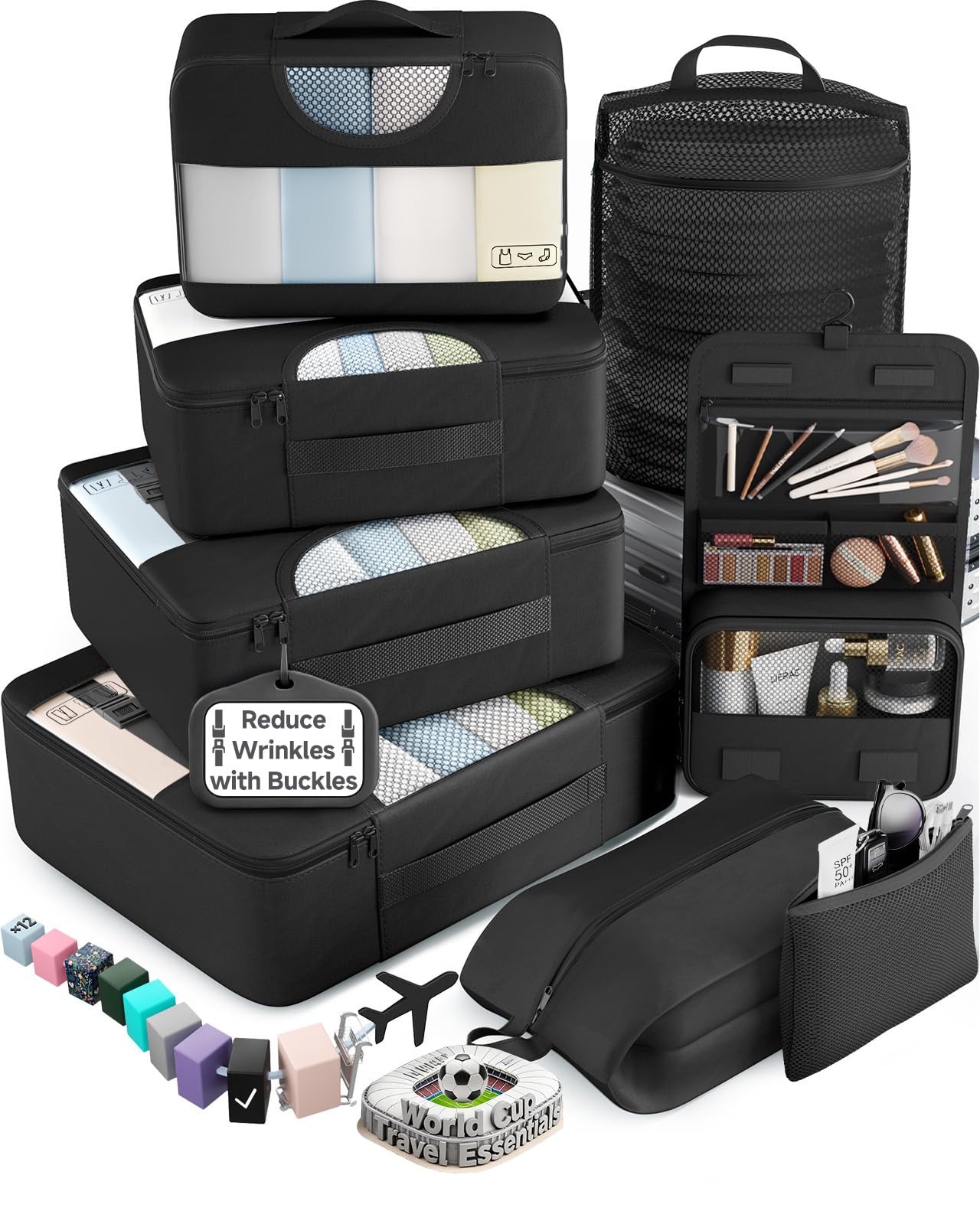 Veken 8-Set Packing Cubes for Travel
on Amazon
 Tan Leather Trolley Bag 44L
$240.00
 Traveler Weekender Duffle
$120.00
 Walker Leather Weekender Bag
$130.00
Ad
 Ringsun Genuine Leather Luggage Tags (2-Pack)
on Amazon
 Nocona Hiker Men's Belt
$42.00
 Waterline Braided Belt
$35.00
 Teddy Cattleman Cowboy Hat
$156.00
Ad
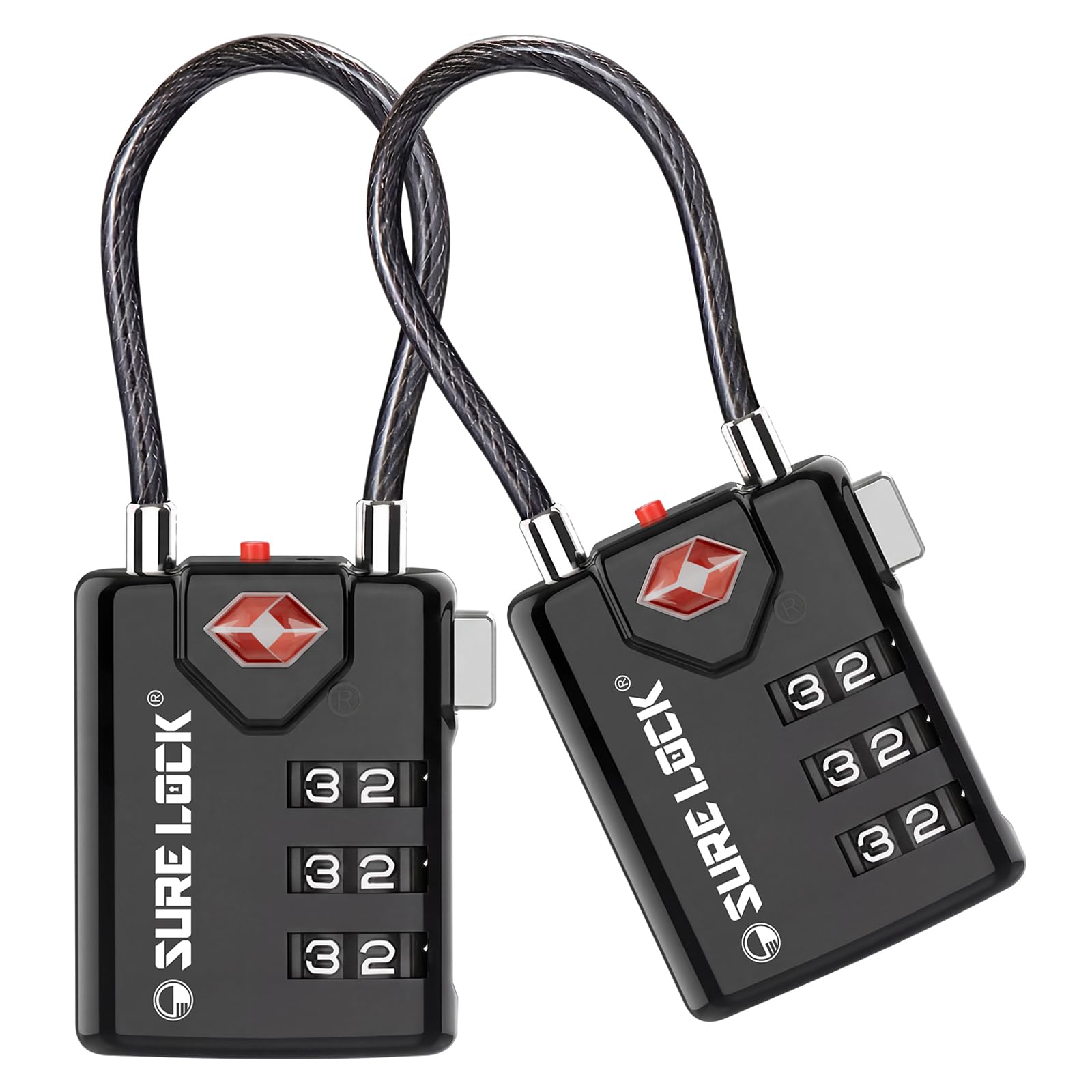 SURE LOCK TSA-Approved Luggage Locks (2-Pack)
on Amazon
 The Sierra Satchel
$59.99