
By Rafe Calder
The Bundt pan has a ring shape, fluted sides and a hole in the middle. It also has a paper trail, and the paper does not entirely agree. This piece sets out what three sources say and where they part.
The cake before the pan
The Minnesota Historical Society’s MNopedia says the ring mold came from a pan called the Gugelhupf, brought to the United States by Jewish immigrants from Europe. Those pans were cast iron and, it says, each weighed more than fifteen pounds. They were used for heavy cakes similar to pound cakes.
The request
Both sources tell the same story about who asked. Wikipedia places it in the late 1940s, and says Rose Joshua and Fannie Schanfield, of the Minneapolis Hadassah Society, asked H. David Dalquist to make a modern version of a cast iron Gugelhupf dish. MNopedia dates it to 1950 and names three women from the Hadassah Society of Minnesota, spelling the second surname Shanfield: Rose Joshua, Fannie Shanfield and Mary Abrahamson. It says they wanted reproductions of a pan the Abrahamson family had brought from Germany, to bake cakes for a fundraiser. Hadassah, it adds, held fundraisers to pay for schools and hospitals in Israel.
We note the difference in timing and spelling and keep both. The sources give the fundraiser as context for the request, and so do we.
The maker
Wikipedia says Dalquist and a company engineer, Don Nygren, designed a cast aluminum pan, and that Nordic Ware, co-founded by H. David Dalquist and his brother Mark S. Dalquist, made a small production run in 1950. MNopedia says Dalquist owned a small company called Northland Aluminum Products, later Nordic Ware, that made die-cast aluminum Scandinavian kitchen items, and that he was unsure the old-world pan would sell but was not in a position to turn down business.
The Smithsonian’s record for a Classic Bundt Pan has a third version. It says Nordic Ware was founded in 1946 in Minneapolis by brothers Dave and Mark Dalquist, originally as “Plastics for Industry,” and that in 1950 the brothers bought Northland Aluminum Products, after which Dave Dalquist created a cast aluminum, fluted cake pan that the company trademarked as the “Bundt” pan. The museum’s own object, it says, is an aluminum pan made in the early 2000s in an effort to revive the pan’s commercial success.
So: bought Northland (Smithsonian), owned Northland (MNopedia), or simply the maker (Wikipedia). Our reading: the three accounts can all be roughly true if the company changed names and owners in the late 1940s, but none of the pages says so.
The name
MNopedia says the word Bundt comes from the German word Bund, which refers to a gathering of people. MNopedia says a “t” was added to the word.
Slow sales, then a bake-off
Wikipedia says early sales were poor and Nordic Ware considered discontinuing the pan. MNopedia says the Hadassah women decided that selling pans would be a better fundraiser than selling cakes, so Dalquist gave them the imperfect factory seconds. It says the pan stayed relatively unknown until 1966.
In 1966 a Houston entrant took second place in the seventeenth Pillsbury Bake-Off with a Tunnel of Fudge cake, according to MNopedia. The cake was made in a Bundt pan and formed a soft fudge center as it baked. Both say Pillsbury then received more than 200,000 requests for the pan; MNopedia calls them letters and says the writers asked where they could find one.
The mixes
MNopedia says Dalquist’s wife, Dotty, developed recipes, and that in October 1969 he pitched boxed Bundt cake mixes to two Pillsbury executives; the pitch took place on his boat on Lake Superior. Pillsbury launched the line in 1971, MNopedia says, and kept it for fifteen years. Wikipedia says Pillsbury licensed the Bundt name in the 1970s and sold mixes. MNopedia adds a 1972 promotion that paired a cake mix with a pan, and quotes Dalquist as saying it helped Nordic Ware grow from a small family business into a regional and, to some extent, national manufacturer.
Counts
MNopedia says that as of 2016, more than 70 million Bundt pans in 100 unique designs had been sold worldwide, and that more than 90 percent of Nordic Ware’s products are still made in Minneapolis.
Questions a buyer would ask
Is it cast iron? The early Gugelhupf pans were, according to MNopedia; the Bundt pan was cast aluminum from the start, according to Wikipedia and the Smithsonian. Where does the shape come from? From the European cake, per all three sources.
Dates in order
- 1946: Nordic Ware founded, according to the Smithsonian.
- Late 1940s or 1950: the Hadassah request, according to Wikipedia and MNopedia respectively.
- 1950: first Bundt pan made, according to all three.
- 1966: Tunnel of Fudge places second at the Pillsbury Bake-Off, according to all three.
- 1971: Pillsbury launches Bundt cake mixes, according to MNopedia.
What kind of sources these are
Wikipedia; a state historical society’s online encyclopedia; and a national museum’s catalog record. We did not read the company’s own pages for this piece, since the page we tried gave no founding details.
What we left out
Prize money and any price. The reason MNopedia gives for the spelling choice, which touches politics. The living people named in company records. Any recipe.
Quick answers
Who made the first Bundt pan? H. David Dalquist of Nordic Ware, in 1950, according to Wikipedia, MNopedia and the Smithsonian.
Why did Bundt pans become popular? After a Bundt cake placed second at the 1966 Pillsbury Bake-Off, Pillsbury got more than 200,000 requests for the pan, says Wikipedia.
What was the pan based on? The Gugelhupf, a European cast iron mold, according to MNopedia.
Related on this site: seagrove-north-carolina-pottery-jugtown, cast-iron-skillet-seasoning-lodge-history, slinky-richard-james-1945-gimbels
Roam first. Shop later.
Shop Sephari Picks
As an Amazon Associate we earn from qualifying purchases. Some items below are sponsored affiliate products.
 Wanderer Leather Trolley Suitcase
$350.00
 Leather Carry-On Trolley Bag
$499.00
 The Peterson Leather Duffle
$140.00
Ad
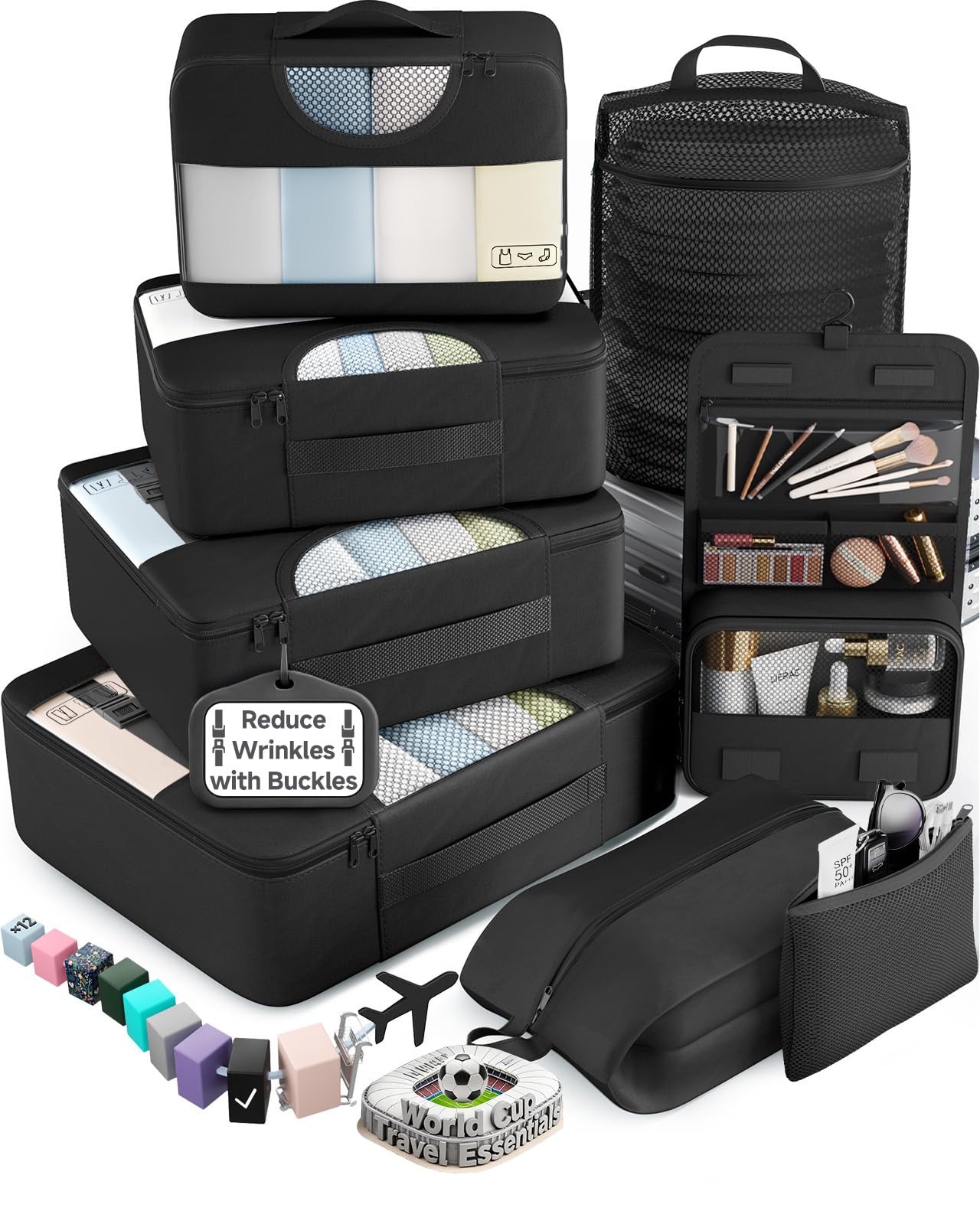 Veken 8-Set Packing Cubes for Travel
on Amazon
 Tan Leather Trolley Bag 44L
$240.00
 Traveler Weekender Duffle
$120.00
 Walker Leather Weekender Bag
$130.00
Ad
 Ringsun Genuine Leather Luggage Tags (2-Pack)
on Amazon
 Nocona Hiker Men's Belt
$42.00
 Waterline Braided Belt
$35.00
 Teddy Cattleman Cowboy Hat
$156.00
Ad
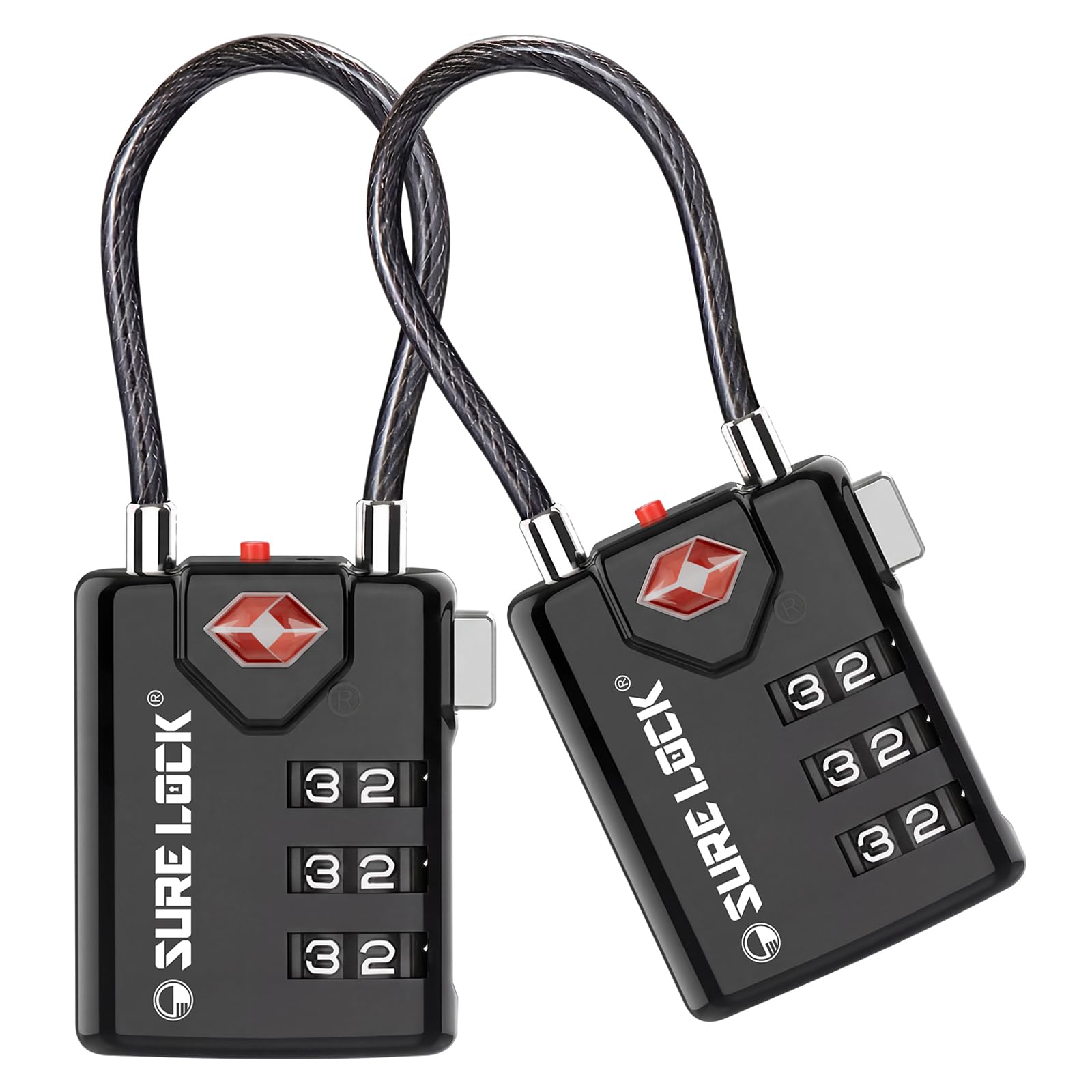 SURE LOCK TSA-Approved Luggage Locks (2-Pack)
on Amazon
 The Sierra Satchel
$59.99