
By Isla Quinn
Cones first. Growers pick them in late August and early September, according to North Carolina State University’s extension service. A bushel gives roughly two to three pounds of seed, and there are about 60,000 seeds to the pound. Seed keeps. It can be frozen for many years.
That is where a Christmas tree begins, long before anyone strings a light.
Seedling years
The extension article says outdoor nursery beds take about five years to produce a one-foot transplant. Most growers now use greenhouses, which it says compress about three years of progress into one. The trees then go to the field.
In the field
Planting happens in early spring, at about 1,600 trees to the acre. After that comes work: fertilizing, controlling weeds and ground cover, scouting for pests and shaping. Shearing with a long knife starts in early summer, and the sides are sheared as the trees mature. Our reading: that is a lot of hands-on work per tree.
How long does it take?
The sources count differently. Wikipedia’s article on the species says it takes seven to ten years in the field to grow a tree of six to seven feet. The extension article says the finished tree reflects more than 14 years of work. Our reading: Wikipedia counts field time and the extension counts everything from the seed, nursery years included. Neither source says so.
Seen up close
Wikipedia gives the needles as 10 to 23 millimeters long and about 2 millimeters broad. The same article puts a 6- to 7-foot tree at the seven-to-ten-year mark in the field. A wild tree is another matter, as the section on the mountain shows.
The cutting weeks
Harvest starts in early November and takes three to six weeks, according to the extension article. Trees are cut, baled by machine, sorted by size and kept cool and humid until they ship. Most are handled six or seven times between cutting and loading. A full-size trailer holds about 600 to 800 trees. Trees go straight to retail lots or through re-wholesalers, and branches trimmed on the lot may become wreaths or roping.
Why this tree
A second extension page compares species. Fraser fir, it says, has excellent needle retention, strong branches that easily support ornaments, a pleasing aroma and glossy dark-green foliage. Eastern white pine gets good marks for retention and a pleasing fragrance, with soft blue-green foliage. Redcedar is listed with weak branches and poor color. These are one university’s descriptions, not a test.
Wikipedia says North Carolina produces most of these trees and made the Fraser fir its official Christmas tree in 2005. It adds that the species has been the White House Christmas tree more often than any other.
The wild tree
The wild Fraser fir grows in a narrow place. Wikipedia gives its range as the southern Appalachian Mountains of southwestern Virginia, western North Carolina and eastern Tennessee, in 48 populations across seven mountain regions. It grows from 1,200 meters up to the summit of Mount Mitchell at 2,037 meters. A wild tree is typically 10 to 15 meters tall. It is named for the Scottish botanist John Fraser (1750 to 1811).
The article says a non-native insect, the balsam woolly adelgid, has killed over 80 percent of mature trees, and lists the species as endangered, with climate change as another threat. That status comes from one article and we have not checked it against a conservation agency. The farm tree and the wild tree share a name and a mountain range. Their situations are not the same.
Questions a buyer would ask
Where was it grown? The extension article says trees go directly to retail lots or through re-wholesalers, so a seller may know the farm or may not. Our reading: it is worth asking. When was it cut? Harvest runs only three to six weeks from early November, and the trees are kept cool and humid until they ship, so a tree has usually been through several hands first.
Dates in order
- Late August to early September: cones collected, according to the extension service.
- Early spring: planting, according to the extension service.
- Early summer: first shearing, according to the extension service.
- Early November: harvest begins, running three to six weeks, according to the extension service.
- 2005: Fraser fir named North Carolina’s official Christmas tree, according to Wikipedia.
Side by side
Years to a tree: seven to ten in the field (Wikipedia), more than 14 in all (extension). Both are plausible. The seedling stage explains much of the gap, if the extension count includes it.
What kind of sources these are
Two pages from a state university’s extension service, which is an educational body with a stake in the industry. One Wikipedia article. We did not read a growers’ association.
What we left out
Prices, acreage and tree counts, care advice for the tree in a stand, and any named farm. The balsam woolly adelgid’s history beyond the one line.
Quick answers
How long does a Fraser fir take to grow? Wikipedia says seven to ten years in the field for a six- to seven-foot tree. North Carolina State’s extension service counts more than 14 years from seed.
Where does the Fraser fir grow wild? According to Wikipedia, in the southern Appalachians of southwestern Virginia, western North Carolina and eastern Tennessee, from 1,200 meters up to Mount Mitchell’s summit.
When is the harvest? North Carolina State’s extension service says it starts in early November and lasts three to six weeks.
Related on this site: mystic-connecticut-seaport-shipbuilding, havre-de-grace-duck-decoys-chesapeake, louisville-slugger-bat-origin-story
Roam first. Shop later.
Shop Sephari Picks
As an Amazon Associate we earn from qualifying purchases. Some items below are sponsored affiliate products.
 Wanderer Leather Trolley Suitcase
$350.00
 Leather Carry-On Trolley Bag
$499.00
 The Peterson Leather Duffle
$140.00
Ad
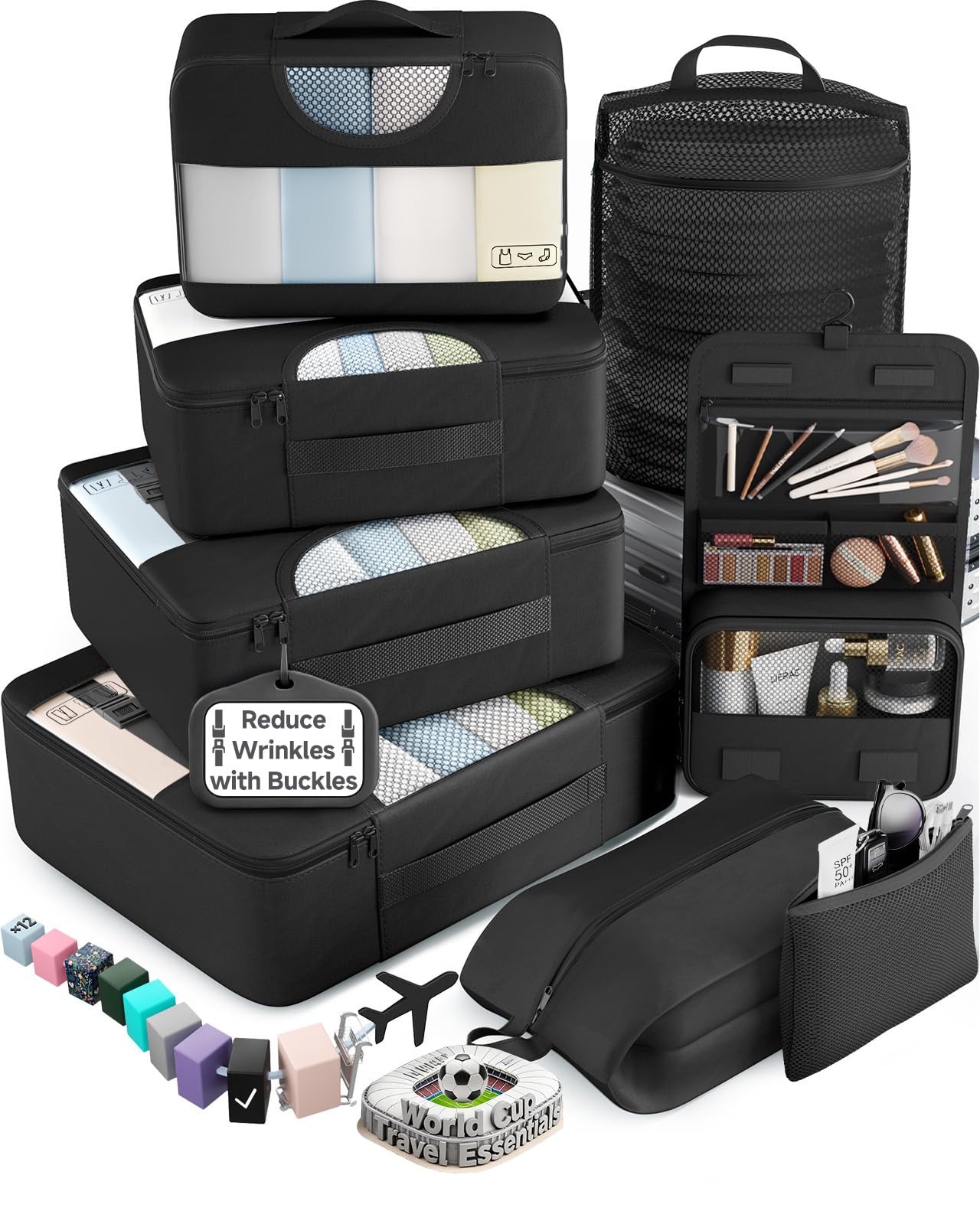 Veken 8-Set Packing Cubes for Travel
on Amazon
 Tan Leather Trolley Bag 44L
$240.00
 Traveler Weekender Duffle
$120.00
 Walker Leather Weekender Bag
$130.00
Ad
 Ringsun Genuine Leather Luggage Tags (2-Pack)
on Amazon
 Nocona Hiker Men's Belt
$42.00
 Waterline Braided Belt
$35.00
 Teddy Cattleman Cowboy Hat
$156.00
Ad
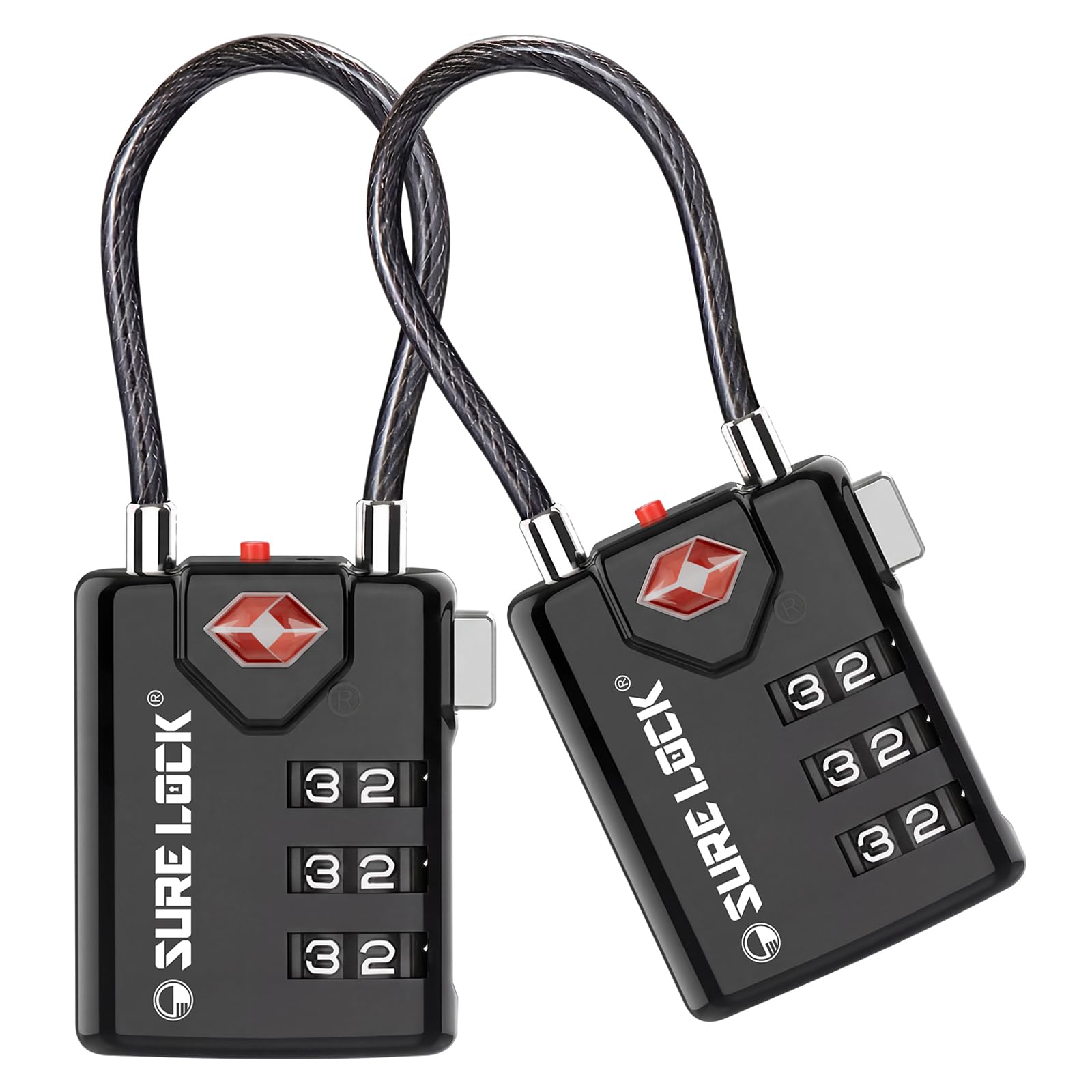 SURE LOCK TSA-Approved Luggage Locks (2-Pack)
on Amazon
 The Sierra Satchel
$59.99