
By Ines Keane
More than 600 ships, built over 135 years, starting in 1784. That is the figure Wikipedia gives for Mystic, a village divided between the Connecticut towns of Groton and Stonington, which counted 4,348 people at the 2020 census.
A river with a bridge in the middle
Wikipedia says the Mystic River flows into Fishers Island Sound and that a bascule bridge, a lifting span that its photo shows raised, crosses it at the center of the village. The same article traces the name to a Pequot term, “missi-tuk,” which it describes as a large river whose waters are driven into waves by tides or wind. The article says shipbuilding here began in 1784. We are using that date as stated, from one source.
The brothers who bought a marsh
The museum’s own page on Greenmanville tells how the Seaport’s site began. It was a mix of meadow and marsh along the river estuary when three brothers, George, Clark and Thomas Greenman, bought it in 1837. They had trained under their father in Westerly, Rhode Island. They established a yard on 12 acres at a bend in the river, chosen because the land sloped enough to launch a vessel and gave clear access to deep water.
The yard began small, with fishing and coasting vessels. In the early 1840s it won larger commissions from New York shipping agents. A community grew around it, and the museum says the brothers built a woolen mill there in 1849.
Clippers
The museum’s page says the rush to build clipper ships followed the California gold rush, starting in 1850. A sailmaker turned shipbuilder, Charles Mallory, launched the first Mystic clipper in 1851, at a yard next to the Greenmans’. The Greenmans entered the field with the David Crockett in 1853, which at 215 feet was the largest vessel they built. The page calls it a “medium clipper,” squarer in section than the V-shaped extreme clippers, and says the Greenmans built five of the roughly 400 vessels that qualify as clippers.
A 1935 state guidebook, reprinted online, offers a bigger boast. It says the medium clipper Andrew Jackson, built by Irons and Grinnell in 1854, made New York to San Francisco in 89 days 4 hours in 1860, beating the Flying Cloud’s 1851 record by nine hours. We have not checked that comparison against a second source, and we report it as the guidebook’s claim.
The end came quietly. The museum says the Greenman yard launched its last vessel in 1878, three years after the Mallory yard shut. The site then turned to textiles.
The museum
Wikipedia says Mystic Seaport was founded in 1929, calls it the largest maritime museum in the United States, and says it sits on a 19-acre site with more than 60 historic buildings and a working preservation shipyard. It says the museum holds four National Historic Landmark vessels: the Charles W. Morgan, the L. A. Dunton, the Emma C. Berry and the Sabino. Another Wikipedia article gives the museum’s collections as more than 500 historic watercraft. The 1935 guidebook describes the museum of its day as housed in an old woolen mill, with one of the largest collections of original ship models in the country.
The whaleship
The Charles W. Morgan was launched at New Bedford, Massachusetts, on 21 July 1841, according to Wikipedia. It made 37 whaling voyages over about 80 years of service, and is credited with 54,483 barrels of oil and 152,934 pounds of whalebone. It reached Mystic in 1941: the article gives 8 November in one place and December in another, and we show both. It was designated a National Historic Landmark on 13 November 1966, relaunched on 21 July 2013 after restoration, and sailed on a 38th voyage in summer 2014.
Dates in order
- 1784: shipbuilding begins, according to Wikipedia.
- 1837: the Greenman brothers buy the site, according to the museum.
- 1841: the Charles W. Morgan is launched in New Bedford, according to Wikipedia.
- 1851: the first Mystic clipper, according to the museum.
- 1878: the Greenman yard’s last vessel, according to the museum.
- 1929: Mystic Seaport founded, according to Wikipedia and the museum.
- 1966: the Morgan becomes a National Historic Landmark, according to Wikipedia.
- 2013 and 2014: relaunch and the 38th voyage, according to Wikipedia.
Side by side
The “oldest” claims vary with the page. The Mystic article calls the Morgan the oldest merchant vessel in the country. The Morgan article calls it the world’s oldest surviving merchant vessel, and also the second-oldest seaworthy vessel in the world after USS Constitution. Our reading: the wording changes with the writer’s yardstick, and we do not pick one.
What kind of sources these are
Three Wikipedia articles, on Mystic, the Seaport and the Morgan, which anyone can edit. The museum’s own history page, which is a producer describing itself. A 1935 government-sponsored guidebook, reprinted on a heritage website.
What we left out
The colonial-era war history that Wikipedia places in the area, which deserves a treatment of its own. The museum page’s passages on religion and on the cotton trade. Prices, opening hours, visitor counts and restoration costs.
Quick answers
When was Mystic Seaport founded? According to Wikipedia and to the museum’s own page, in 1929.
How many ships were built in Mystic? Wikipedia says more than 600 over 135 years, starting in 1784.
How old is the Charles W. Morgan? According to Wikipedia, it was launched on 21 July 1841 and made 37 whaling voyages.
Related on this site: havre-de-grace-duck-decoys-chesapeake, louisville-slugger-bat-origin-story, fraser-fir-christmas-tree-appalachia
Roam first. Shop later.
Shop Sephari Picks
As an Amazon Associate we earn from qualifying purchases. Some items below are sponsored affiliate products.
 Wanderer Leather Trolley Suitcase
$350.00
 Leather Carry-On Trolley Bag
$499.00
 The Peterson Leather Duffle
$140.00
Ad
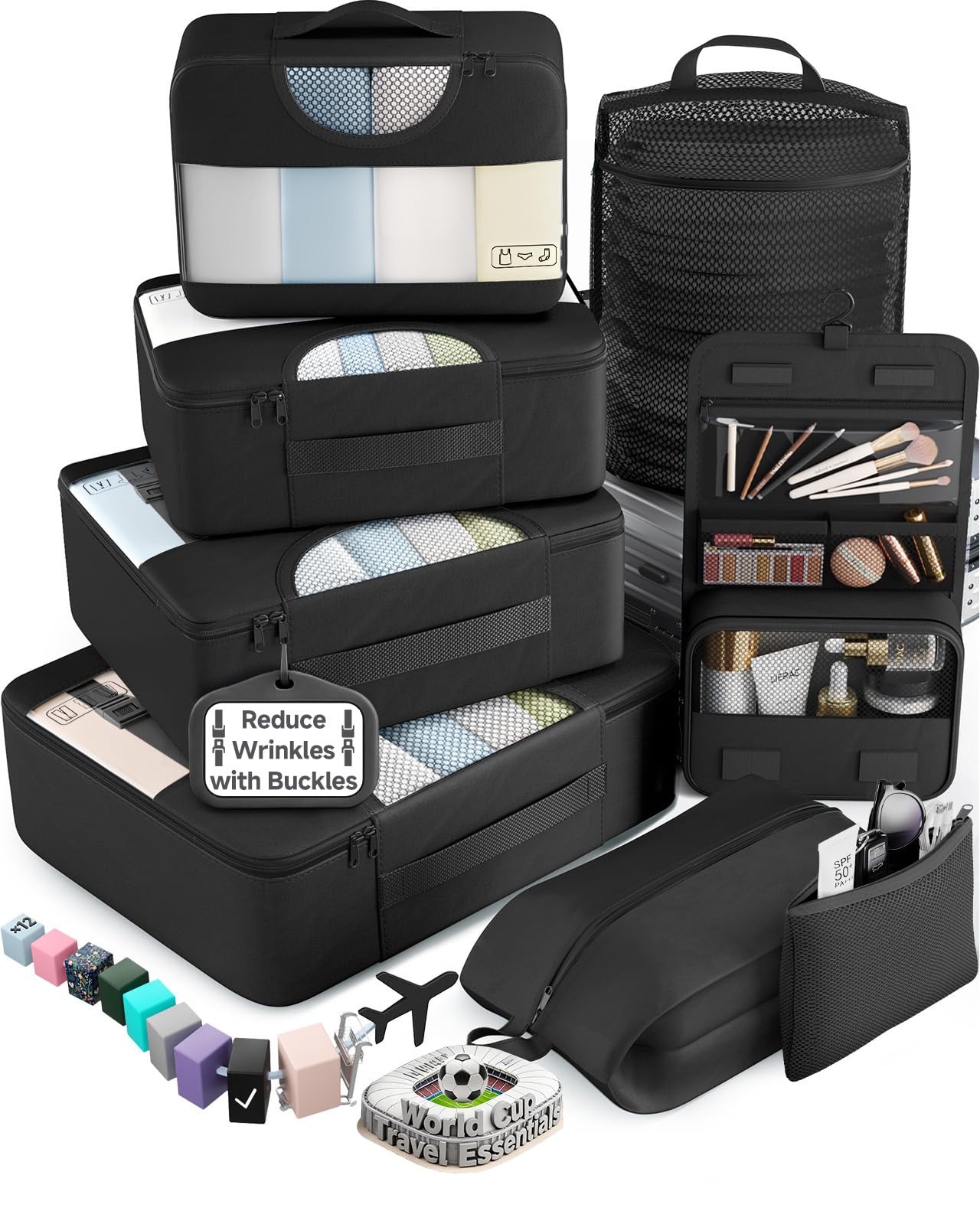 Veken 8-Set Packing Cubes for Travel
on Amazon
 Tan Leather Trolley Bag 44L
$240.00
 Traveler Weekender Duffle
$120.00
 Walker Leather Weekender Bag
$130.00
Ad
 Ringsun Genuine Leather Luggage Tags (2-Pack)
on Amazon
 Nocona Hiker Men's Belt
$42.00
 Waterline Braided Belt
$35.00
 Teddy Cattleman Cowboy Hat
$156.00
Ad
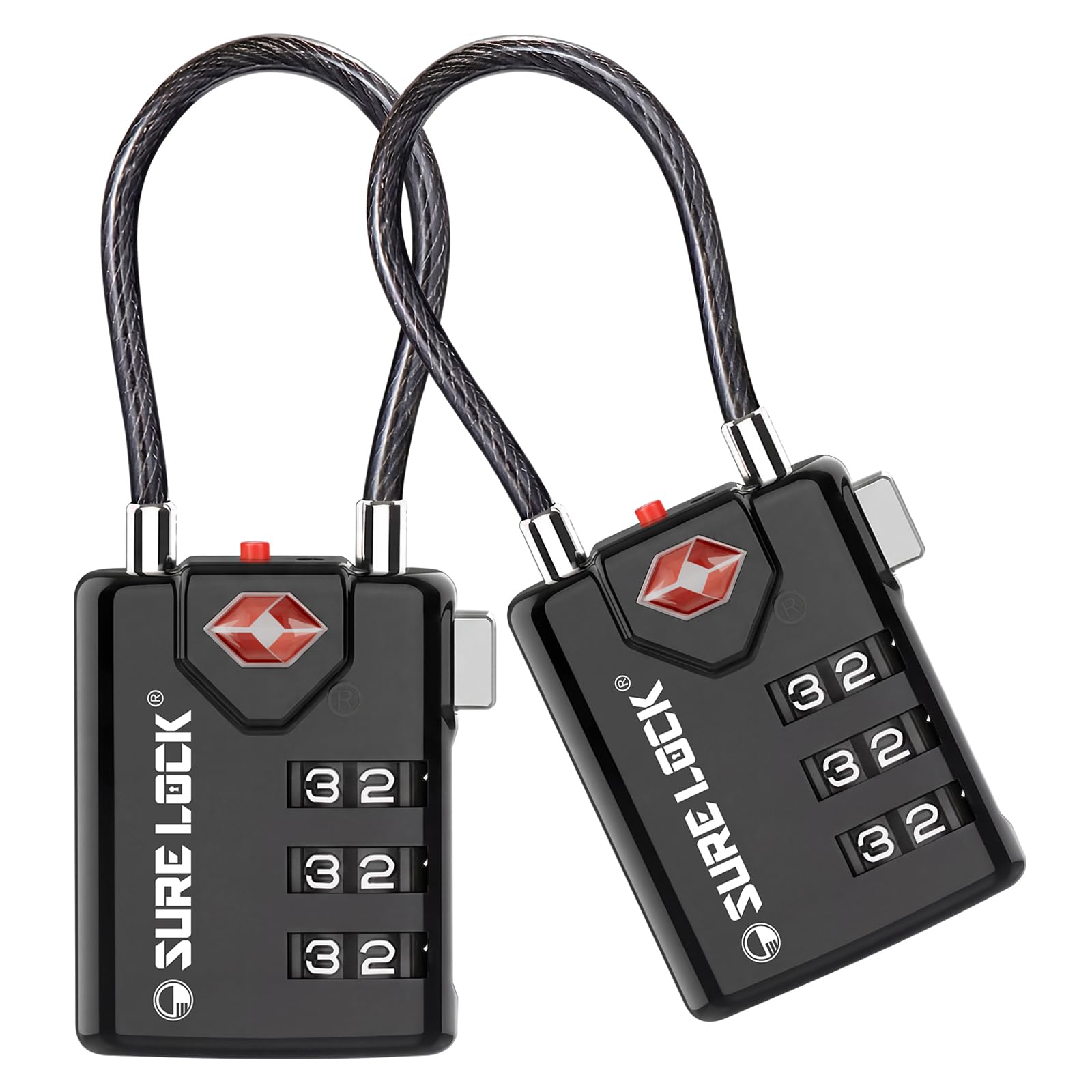 SURE LOCK TSA-Approved Luggage Locks (2-Pack)
on Amazon
 The Sierra Satchel
$59.99