
By Porter Lang
One piece of solid wood. That is the requirement that Wikipedia’s article on the baseball bat quotes from Major League Baseball’s rules, which also forbid hollowing or corking a bat. Everything else about the bat, including who made the famous one first, is looser.
The story the company tells
Wikipedia’s article on the Louisville Slugger repeats the company legend. In 1884, a 17-year-old named Bud Hillerich slipped away from work to watch the Louisville Eclipse. The star, Pete Browning, broke his bat in a slump, and Bud invited him to his father’s shop to make another. Browning, the legend says, got three hits with it the first day. The article notes that other accounts involve Arlie Latham or Gus Weyhing.
The story with rivals
Bob Bailey, writing in the Society for American Baseball Research’s 2001 research journal, went looking for the evidence. He found no contemporary account of the Browning story. He notes that Browning talked freely to the press and never mentioned it. The earliest telling he found was a magazine piece of 27 September 1914. The Browning version reached a trade magazine in March 1939, where the company’s marketing head called it a “legend around the H&B factory,” and the company’s yearbook went on repeating and embellishing it.
Latham, a St. Louis Browns third baseman, told a magazine in November 1937 that he broke a bat on a trip to Louisville in 1883 or 1884 and had Hillerich make a replacement. A 1942 note signed by Bud Hillerich endorsed the account.
Bailey prefers a third account, from 1914. In it Bud, who played sandlot ball, used a bat his father turned, then gave it to Gus Weyhing, who went on to win 264 major league games, and other players began asking for bats of their own. Bailey calls it the least dramatic, the earliest in print and the likeliest. We report his reading and do not decide. An encyclopedia entry on how bats are made calls the 1884 story “company lore.”
Names and dates
Wikipedia says J. F. Hillerich opened his woodworking shop in Louisville in 1855 and that bats had been sold as the “Falls City Slugger” before the Louisville Slugger name was registered in 1894. Bailey lists the sequence as Hillerich Bats, then Falls City Sluggers, then Louisville Sluggers in 1894. On the company’s name, Wikipedia says it became Hillerich and Bradsby in 1916, while the encyclopedia entry gives 1911. We show both.
From tree to bat
The encyclopedia entry, written for a reference series on how products are made, is the clearest on process. Ash is the traditional wood. A tree takes 40 to 50 years to reach a trunk 14 to 16 inches across and yields about 60 bats. Logs are cut to lengths of 10 to 16 feet, inspected for knots and uneven grain, and about half are used. They are split into 40-inch lengths, lathed into billets and checked for straight grain.
The billets then air-dry for six months to two years to remove sap and gum. A bat turner copies a model on a lathe, checking with calipers every one to two inches and weighing the bat again and again. The trademark is branded a quarter turn from the sweet spot. Some bats are still carved by hand, according to a 2018 article republished by the Society for American Baseball Research, though many makers now use automated lathes.
What the rulebook allows
Here the sources part. Wikipedia’s baseball bat article gives the Major League limit as a maximum diameter of 2.61 inches and a maximum length of 42 inches. The encyclopedia entry gives the modern maximum diameter as 2.75 inches, with the same length and no weight limit. The difference may reflect different rulebooks or different dates, and neither source says. Early bats, the entry says, weighed 48 to 50 ounces. Hank Aaron’s bat in the 1960s was 35 inches and 33 ounces.
Ash, maple and a beetle
Wikipedia says more than 90 percent of the bats the company has made are northern white ash, grown in company forests on the New York and Pennsylvania border. The emerald ash borer, first found in Michigan in 2002, has left very few ash in them. The baseball bat article adds that the beetle has killed more than 50 million white ash trees in the eastern United States.
The wood shifted over time, the 2018 article says, from hickory to ash to maple. Wikipedia says hickory fell out of favor because its weight slows the swing, and that maple gained popularity after the first Major League-sanctioned maple model in 1997. Around 2008, it says, maple bats could shatter into sharp pieces, and the league worked with makers on grain slope, using an ink spot test to confirm safer grain.
Dates in order
- 1855: J. F. Hillerich opens his shop, according to Wikipedia.
- 1884: the story of the first bat, according to company legend and Bailey.
- 1894: the Louisville Slugger name registered, according to Wikipedia.
- 1997: the first Major League-sanctioned maple model, according to Wikipedia.
- 2002: the emerald ash borer first found in Michigan, according to Wikipedia.
What kind of sources these are
Two Wikipedia articles. A research journal article from a baseball historians’ society. A baseball website piece from 2018, republished by the same society. An undated reference entry on manufacturing, whose citations date to the early 1990s. The company’s own site was not read.
What we left out
Prices, endorsement deals, sales figures, ownership changes, and anything about living players. The companies’ histories after 1997.
Quick answers
Who made the first Louisville Slugger? According to company legend, Bud Hillerich made it for Pete Browning in 1884. A baseball historians’ society article finds no contemporary proof and prefers a different, earlier-printed account.
What wood are Major League bats made of? Wikipedia says ash is the most common, maple has gained ground since 1997, and a bat must be one piece of solid wood.
How long does a tree take to make bats? A reference entry says 40 to 50 years of growth to reach 14 to 16 inches across, yielding about 60 bats.
Related on this site: mystic-connecticut-seaport-shipbuilding, havre-de-grace-duck-decoys-chesapeake, fraser-fir-christmas-tree-appalachia
Roam first. Shop later.
Shop Sephari Picks
As an Amazon Associate we earn from qualifying purchases. Some items below are sponsored affiliate products.
 Wanderer Leather Trolley Suitcase
$350.00
 Leather Carry-On Trolley Bag
$499.00
 The Peterson Leather Duffle
$140.00
Ad
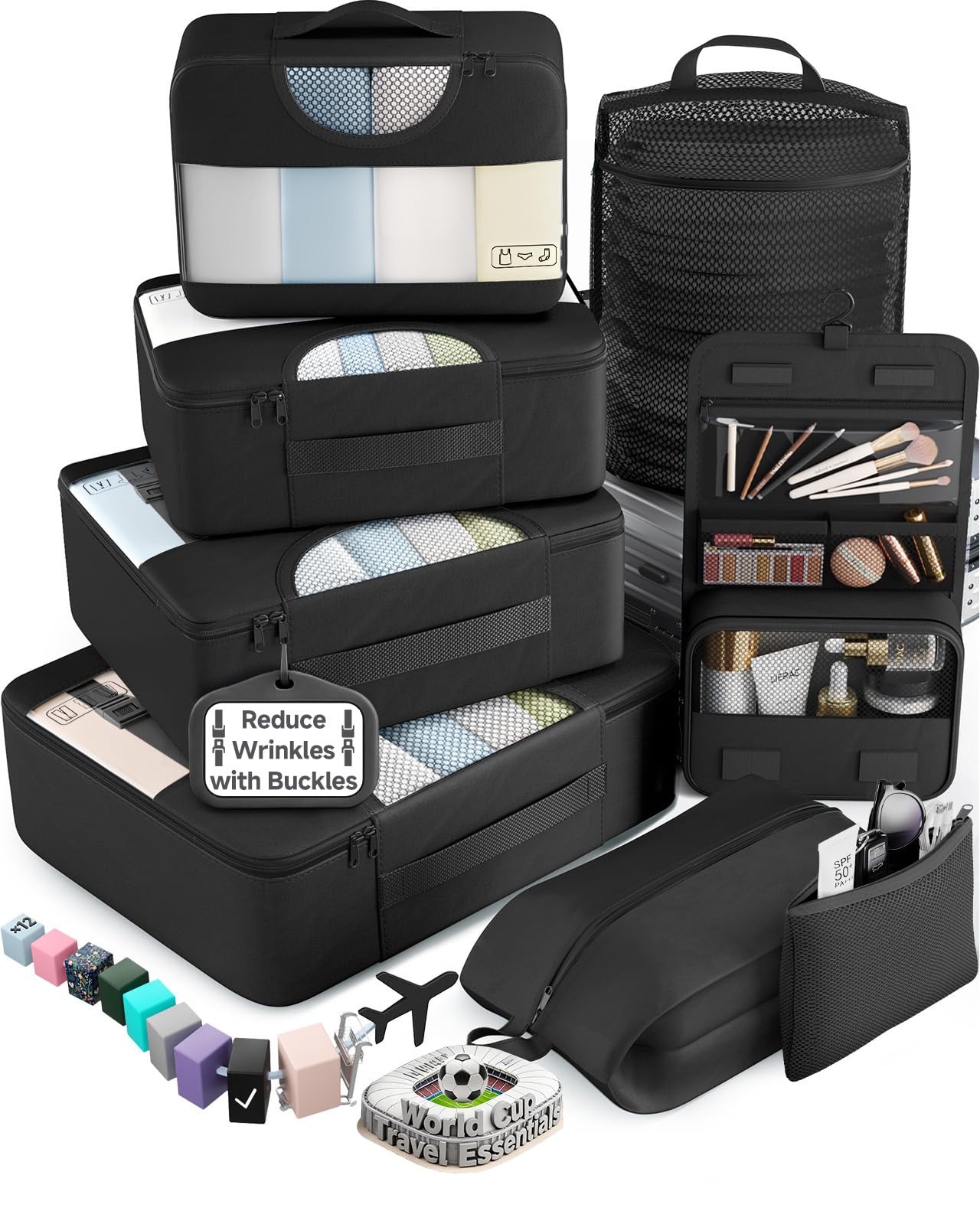 Veken 8-Set Packing Cubes for Travel
on Amazon
 Tan Leather Trolley Bag 44L
$240.00
 Traveler Weekender Duffle
$120.00
 Walker Leather Weekender Bag
$130.00
Ad
 Ringsun Genuine Leather Luggage Tags (2-Pack)
on Amazon
 Nocona Hiker Men's Belt
$42.00
 Waterline Braided Belt
$35.00
 Teddy Cattleman Cowboy Hat
$156.00
Ad
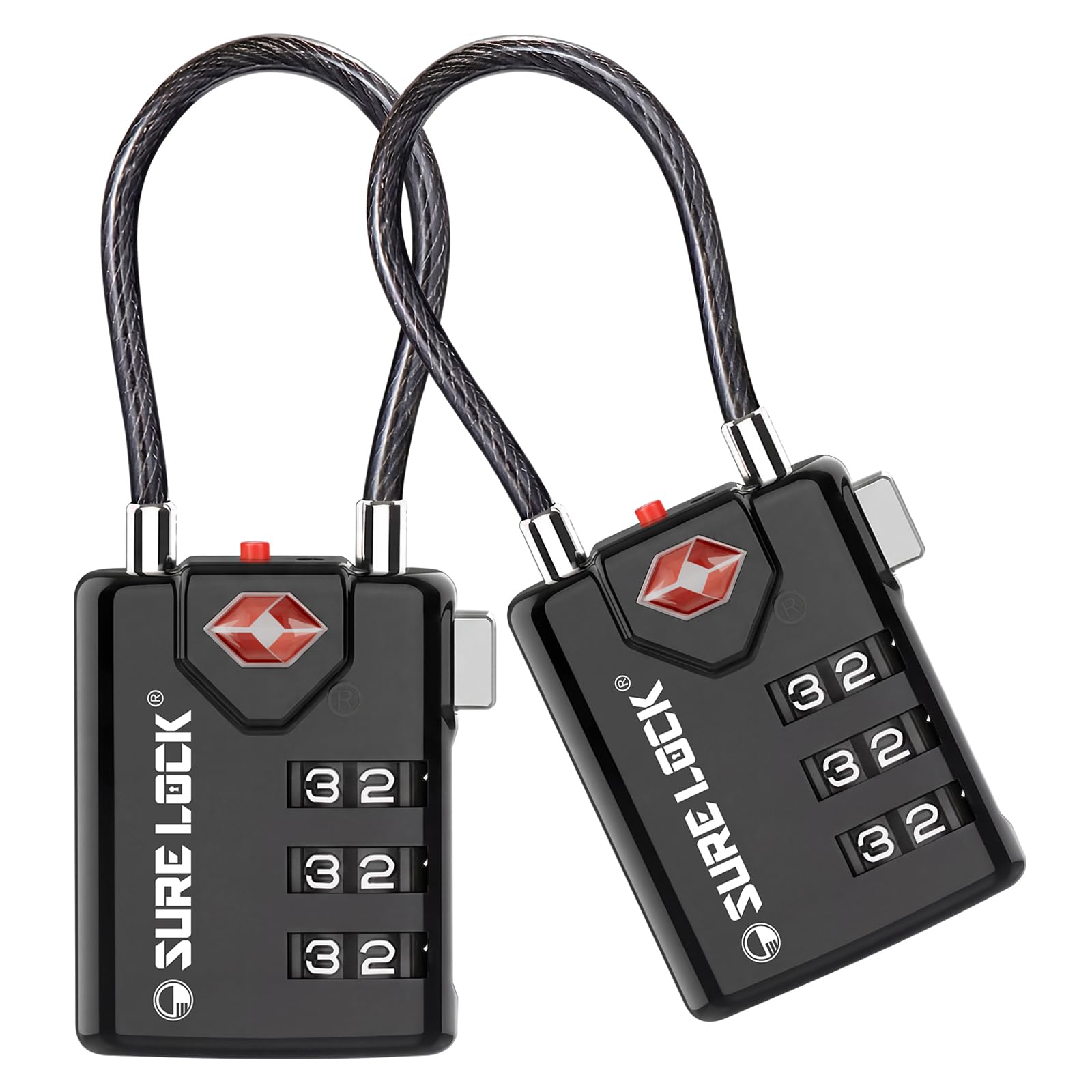 SURE LOCK TSA-Approved Luggage Locks (2-Pack)
on Amazon
 The Sierra Satchel
$59.99