
By Porter Lang
A cranberry bog in October is a field you flood on purpose. The gear that does the picking is a water reel, a boom and a pump, and the crop floats.
What a bed is
Wikipedia says modern beds are built in upland areas with a shallow water table, though they were historically built in wetlands. Topsoil is scraped off to form dikes, clean sand is spread 10 to 20 centimeters (4 to 8 inches) deep and laser-leveled, and beds are drained with tile and a perimeter ditch. The article says vines are propagated by moving them from an established bed, spreading them on new sand and pushing them in with a blunt disk, and that beds are sanded every three to five years. Bees pollinate the flowers.
The article adds that beds are not flooded during the growing season, only irrigated. They are flooded in autumn to harvest and again in winter against low temperatures, and in cold climates such as Wisconsin, New England and eastern Canada the winter flood typically freezes into ice.
When
A Massachusetts cranberry growers’ website, which we read as the Cape Cod Cranberry Growers’ Association (the pages carry no byline), says harvest takes place once a year from mid-September through early November. Wikipedia says September through the first part of November, ideally after the first frost. The association says the berries begin to blush by late August.
Wet harvest
The association says more than 90 percent of the crop is harvested wet, and that this works because cranberries float on account of air pockets inside the fruit. Bogs are flooded. Water reels, which the association calls “egg-beaters,” stir the water to knock the berries off the vines, and the loosened fruit floats to the surface. Wooden or plastic booms gather it. Conveyors or pumps load it into trucks that go to a receiving station for cleaning. Wikipedia gives the flood depth as 15 to 20 centimeters (6 to 8 inches) and says water reel harvesters have been used since the 1960s.
A 1992 Christian Science Monitor article, written for general readers, describes the same sequence a little differently. It says the bogs are partly flooded, a machine beats the ripe fruit off, the bogs are flooded further, and workers in waders herd the floating berries with wooden booms. It says Massachusetts growers adopted wet harvesting in the mid-1960s, having learned it from Wisconsin farmers. The association says this fruit goes to juices, sauces, sweetened dried cranberries and other processed foods.
Dry harvest
The association says the remaining share, under 10 percent, is dry-picked. Walk-behind machines comb the berries off the vines into burlap bags, and bog vehicles or helicopters carry the bags out. Wikipedia puts the dry share at about 5 to 10 percent of the U.S. crop and says it costs more in labor and yields less, but the berries are less bruised and can be sold fresh. The newspaper describes machines weighing 400 pounds that trim the vines and strip off the berries, with wooden scoops used along ditches the machines cannot reach, and crates lifted out by helicopter because heavy trucks would damage the bogs.
At the fresh fruit station, the association says, berries are graded and screened by color and bounce, and soft berries will not bounce. Before machines, the newspaper says, workers crawled across the bogs on hands and knees, combing berries off with slotted wooden scoops. The association says wooden scoops began replacing hand-picking in the 1880s.
The man with the sand
The Dennis Historical Society says Henry Hall of Dennis, Massachusetts, found in 1816 that wild vines covered by winter-blown sand produced larger and more abundant berries, and that covering bogs with sand then became common practice. The growers’ history page calls him Captain Henry Hall, a Revolutionary War veteran. Another page on the same site calls him a retired sea captain. Wikipedia says Revolutionary War veteran, and adds that he shipped cranberries to New York City and Boston in the 1820s. We show the descriptions side by side and pick none.
How big it got
The association says that in 1885 Plymouth County had 1,347 acres under cultivation and Barnstable County 2,408, and that by 1900 acreage had tripled. The association says U.S. growers harvest about 40,000 acres a year.
Dates in order
- 1816: Henry Hall’s sand discovery in Dennis, according to the Dennis Historical Society.
- 1880s: wooden scoops replace hand-picking, according to the growers’ website.
- 1885: Plymouth and Barnstable county acreage counted, according to the growers’ website.
- \- 1900: acreage tripled, according to the growers’ website.
- Mid-1960s: wet harvesting reaches Massachusetts, according to the newspaper.
- 1992: the newspaper feature appears.
Questions a buyer would ask
Was it wet-picked or dry-picked? The association ties the dry harvest to the fresh market, mostly for cooking and baking. The newspaper links it to bagged cranberries for cooking or Christmas stringing. Do the berries bounce? That is the association’s own grading test.
What kind of sources these are
A growers’ trade-body website, which describes its own industry. Wikipedia. A local historical society plaque note. A 1992 newspaper feature. None is a government survey.
What we left out
The association’s account of Indigenous harvest and its 12,000-year figure, which is one unchecked claim. Prices, renovation costs, brand and cooperative sales figures, and any recipe.
Roam first. Shop later.
Shop Sephari Picks
As an Amazon Associate we earn from qualifying purchases. Some items below are sponsored affiliate products.
 Wanderer Leather Trolley Suitcase
$350.00
 Leather Carry-On Trolley Bag
$499.00
 The Peterson Leather Duffle
$140.00
Ad
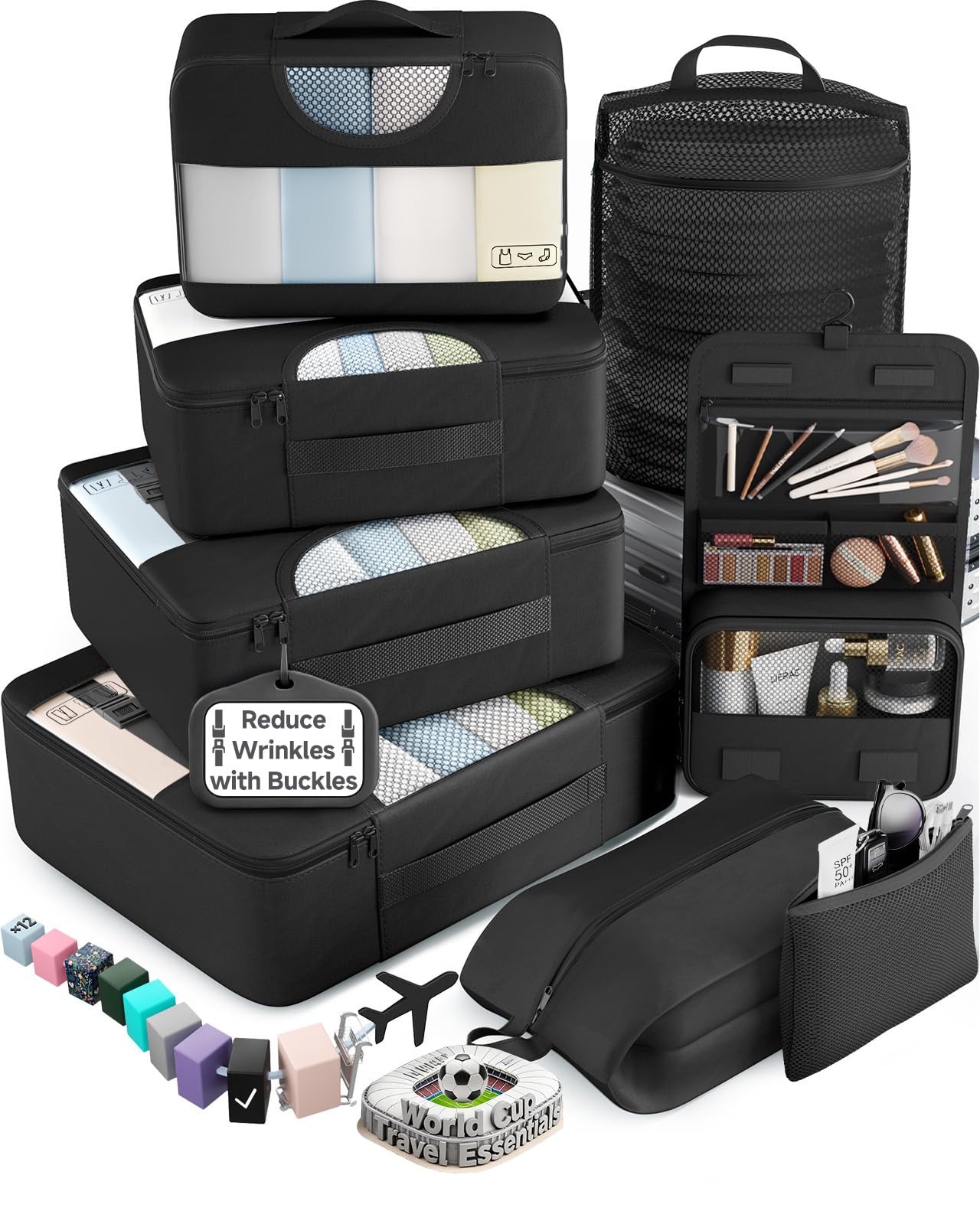 Veken 8-Set Packing Cubes for Travel
on Amazon
 Tan Leather Trolley Bag 44L
$240.00
 Traveler Weekender Duffle
$120.00
 Walker Leather Weekender Bag
$130.00
Ad
 Ringsun Genuine Leather Luggage Tags (2-Pack)
on Amazon
 Nocona Hiker Men's Belt
$42.00
 Waterline Braided Belt
$35.00
 Teddy Cattleman Cowboy Hat
$156.00
Ad
 SURE LOCK TSA-Approved Luggage Locks (2-Pack)
on Amazon
 The Sierra Satchel
$59.99