
By Rafe Calder
Winter work. That is how several sources describe wooden lobster traps in Maine: built by the fishermen themselves, from oak lath, in the months before the season.
Who made the first one
The sources give two firsts. A Southwest Harbor, Maine, library’s digital archive page credits Ebenezer Thorndike of Swampscott, Massachusetts, a shoemaker with a dried-fish business, with the American lobster trap, and says trapping was first practiced at Swampscott in 1808. The same page says Epps L. Hadlock made and set the first lobster trap in Southwest Harbor on April 16, 1854. Both can be true at once, since one is about the continent and the other is about a harbor, and the archive page does not say how it knows either. We have no second source for these dates.
The lath pot
The archive page says a 1899 U.S. Fish Commission bulletin describes the wooden lath pot used by Maine fishers, with a frame of hemlock, spruce or pine, hoops of bent branches and lath covering. It says the entrance funnels were knitted twine, about 11 to 12 inches deep, and that two-strand manila twine was the most common. A Maine lobster-industry group’s history page names oak lath for the traps. The two sources name different woods, and each is describing a different period, so we show both.
Built at home
The group’s page says many lobstermen built their own wooden traps in winter, using oak lathes cut from their own land. National Fisherman magazine says lobstermen once spent winters in their basements building oak-lath traps for the next season, and quotes a Downeast fisherman in 1984 to the effect that there are as many ways to build a trap as there are lobstermen, but only one right way. The archive page says that before the mid-1980s traps were mostly wooden and built by individual fishermen, and that wire traps are now mass-produced and relatively standard.
How heavy
The sources disagree on the numbers. The group’s page says a wet wooden trap weighed about 125 pounds out of the water and a wire trap about 40 pounds. The archive page says wooden traps weighed about 100 pounds when wet and that wire traps weigh about half as much. The archive page adds that wooden traps were buoyant and decayed in salt water, and that wire traps sink more readily and last from one to over ten years.
When wire came in
The dates do not agree. The group’s page says that in the late 1970s lobstermen gradually switched to plastic-coated wire traps. The archive page says James Knott Sr. first used a wire mesh trap in Atlantic waters off Gloucester in 1956, and that he estimated about 90 percent of U.S. lobster traps were wire. The page gives his birth year as 1930, which would make the 1956 date unlikely, and we have not been able to check it. National Fisherman says manufactured wire traps spread quickly and replaced wooden ones in most places. It says wire traps fish better, are more likely to land upright and bounce around less on the bottom.
What the hauler changed
The archive page says that in 1964 Robert Crowe Sr. of Rockport, Maine, developed a smaller, less expensive pot hauler, which made lifting heavy wet traps easier. The group’s page says setting a wooden trap was easier than hauling it back by hand. We have found no second source for the 1964 date.
Where wood is still used
National Fisherman says Prince Edward Island is reportedly the only place where lobstermen still widely use wooden traps, according to a lobster-trap manufacturer, and that a Massachusetts lobsterman phased out his last wooden traps only recently. The article is old, and we do not know how current either claim is.
One rule
Maine statute section 6433 says it is unlawful to fish for or take lobsters unless the trap is equipped with unobstructed vents. It sets either a rectangular escape vent of not less than 1 and three-quarter inches by 5.75 inches, or two circular vents of not less than 2 and a quarter inches in diameter, and says the commissioner can set the dimensions by rule. That is the law’s text as we read it, and the dimensions may have changed since.
What kind of sources these are
A library archive page, a lobster-industry group’s history, a trade magazine and a state statute. None is a trap builder’s own account. The group’s page and the magazine article are industry writing, and the statute is the only one of the four that is a legal text.
What the sources do not say
None explains how a wooden trap was joined or how a funnel is knitted, how many wooden traps are still in use in Maine, or how a buyer can tell an old trap from a reproduction. We have not filled those gaps. We left out all prices and any tour.
What it means for a buyer
Our view is that the sources make one thing clear: a “lobster trap” can be several objects. It might be a wooden lath pot, a wire trap or a reproduction. Ask what it is made of, how old it is and how the seller knows. A salvaged wooden trap and a new decorative one are different goods, and the sources describe how heavily the real ones were used.
Where sources differ, we show each: the first trap, the weight of a wet trap and when wire came in. We list them in the check file.
Roam first. Shop later.
Shop Sephari Picks
As an Amazon Associate we earn from qualifying purchases. Some items below are sponsored affiliate products.
 Wanderer Leather Trolley Suitcase
$350.00
 Leather Carry-On Trolley Bag
$499.00
 The Peterson Leather Duffle
$140.00
Ad
 Veken 8-Set Packing Cubes for Travel
on Amazon
 Tan Leather Trolley Bag 44L
$240.00
 Traveler Weekender Duffle
$120.00
 Walker Leather Weekender Bag
$130.00
Ad
 Ringsun Genuine Leather Luggage Tags (2-Pack)
on Amazon
 Nocona Hiker Men's Belt
$42.00
 Waterline Braided Belt
$35.00
 Teddy Cattleman Cowboy Hat
$156.00
Ad
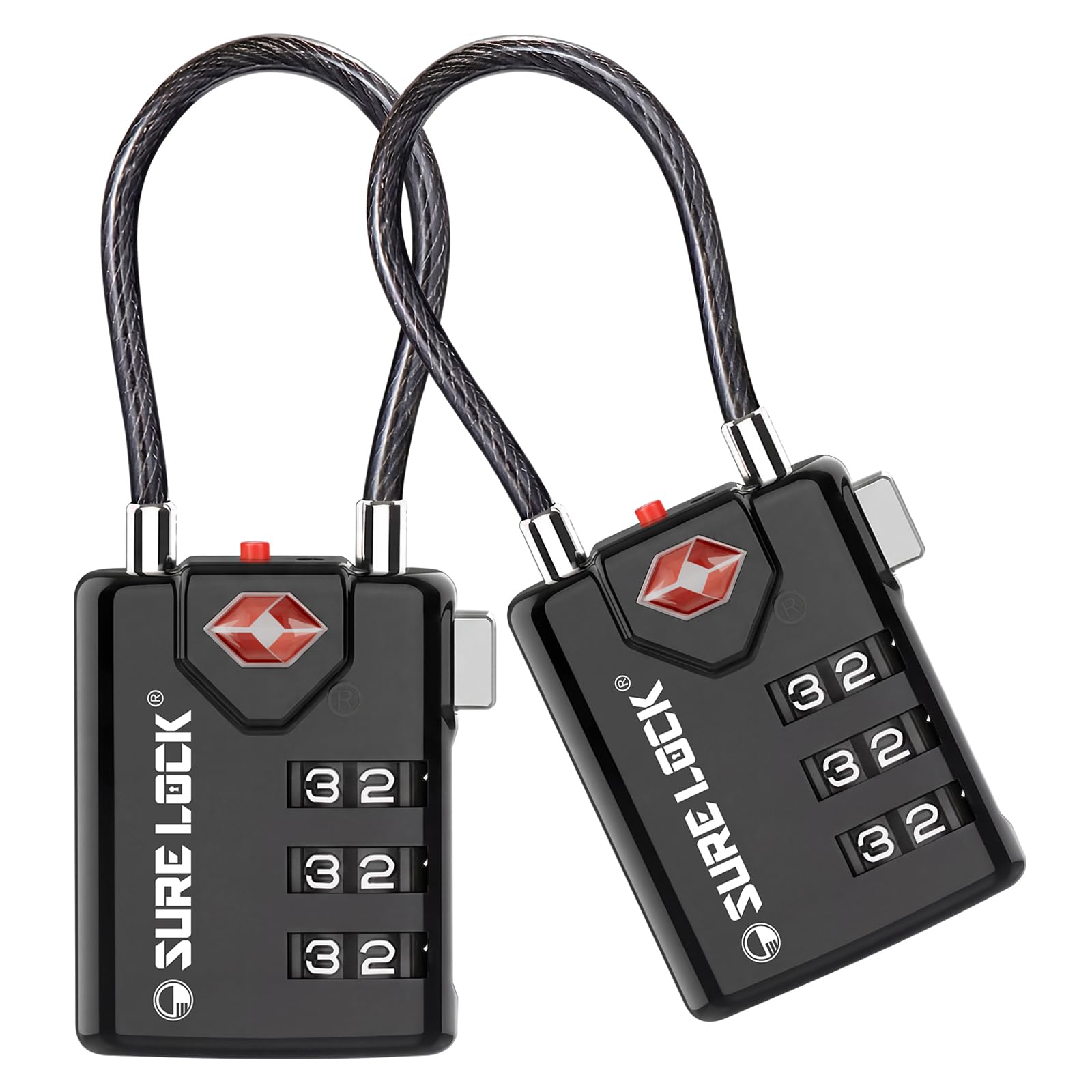 SURE LOCK TSA-Approved Luggage Locks (2-Pack)
on Amazon
 The Sierra Satchel
$59.99