
By Ines Keane
A school with no grades, no credits and no winners. That is how the sources describe the John C. Campbell Folk School, which sits off U.S. Route 64 in Brasstown, North Carolina, on a 300-acre campus that, according to Wikipedia, straddles the line between Cherokee and Clay counties.
How it began
Wikipedia says the school was founded in 1925 by Olive Dame Campbell and her colleague Marguerite Butler, after an eighteen-month trip through Denmark, Norway, Sweden and Finland. It is named for Olive’s late husband, John C. Campbell (1867 to 1919), an educator who surveyed social conditions in southern Appalachia in 1908 and 1909. The school’s own history page says he and Olive made that survey by wagon, from Georgia to West Virginia, and that after his death she and Butler studied folk schools in Denmark, Sweden and other countries.
What happened next is a story of neighbors. The school’s page says Butler talked with local residents, and that a meeting of more than 200 people at the local church followed. Cherokee and Clay counties pledged labor and building materials, and the Scroggs family gave the land. Wikipedia gives the same meeting and the same pledges, and adds land and “other support.”
The Danish model
Both Wikipedia and the school say the model was the Danish folkehøjskole, the folk high school. The school’s page calls these “schools for life” and says teaching is noncompetitive, with no credits or grades. It says the Danes called the approach “The Living Word,” that discussion and conversation come before reading and writing, and that most instruction is hands-on. Wikipedia says students and teachers formed a community in which people helped each other advance in the crafts.
What is taught
Wikipedia lists craft classes in basketry, blacksmithing, weaving, woodturning, spinning, quilting and glass beadmaking, art classes in calligraphy, clay, enameling, painting, photography and woodcarving, and other classes in cooking, dance, folklore, gardening, music, storytelling and writing. It says there are more than fifty subject areas and more than 850 week-long and weekend classes offered year-round. The school’s own page counts “more than 100 class topics.” A subject area and a class topic are not the same thing, and we do not try to reconcile the counts.
The early years
Wikipedia gives a run of small facts. The Community Room was built in 1927 with bricks salvaged from the Cherokee County Courthouse, which burned in 1926. Early students were 17 to 35. The Brasstown Carvers formed in 1929. In 1934, the article says, the school and Brasstown kept a time zone halfway between Central and Eastern. Electricity arrived in the early 1940s, after Hiwassee Dam was built.
The school’s page adds that the photographer Doris Ulmann, who documented Appalachian craft, died in August 1934 at age 52, and that the school holds more than 200 of her prints.
The cold-weather calendar
The school runs seasonal programs in autumn and winter. Dates change every year, so check the school’s official calendar before you plan a trip.
On the register
Wikipedia says the campus was listed on the National Register of Historic Places on August 22, 1983, as a historic district with 19 contributing buildings, among them the Farm House (before 1925), the Keith House (1926 to 1928) and the Log House Museum, which it dates to the nineteenth century and says was moved in 1926.
Dates in order
- 1867 to 1919: John C. Campbell’s life, according to Wikipedia.
- 1908 to 1909: the Campbells’ survey of mountain conditions, according to Wikipedia and the school.
- 1925: founding, according to Wikipedia and the school.
- November 23, 1925: incorporation, according to the North Carolina state history office.
- 1927: Community Room built, according to Wikipedia.
- December 1927: classes begin, according to the state history office.
- August 22, 1983: National Register listing, according to Wikipedia.
Side by side
Wikipedia says the school was founded in 1925. The state history office says it was incorporated that year and that classes began in December 1927. All three can be true, and the sources use the word “founded” for different moments. We show each and pick none.
What kind of sources these are
Wikipedia, which anyone can edit. A blog post from the North Carolina state history office, which gives the incorporation date. And the school’s own website, which is a producer describing itself.
What we left out
We left out budgets, endowment, attendance claims, prices, lodging details, the names of living staff and teachers, and class schedules. We found no source for opening hours or visitor rules, so we give none. Our reading: the Danish model explains why the sources keep saying “community” instead of “course.”
Roam first. Shop later.
Shop Sephari Picks
As an Amazon Associate we earn from qualifying purchases. Some items below are sponsored affiliate products.
 Wanderer Leather Trolley Suitcase
$350.00
 Leather Carry-On Trolley Bag
$499.00
 The Peterson Leather Duffle
$140.00
Ad
 Veken 8-Set Packing Cubes for Travel
on Amazon
 Tan Leather Trolley Bag 44L
$240.00
 Traveler Weekender Duffle
$120.00
 Walker Leather Weekender Bag
$130.00
Ad
 Ringsun Genuine Leather Luggage Tags (2-Pack)
on Amazon
 Nocona Hiker Men's Belt
$42.00
 Waterline Braided Belt
$35.00
 Teddy Cattleman Cowboy Hat
$156.00
Ad
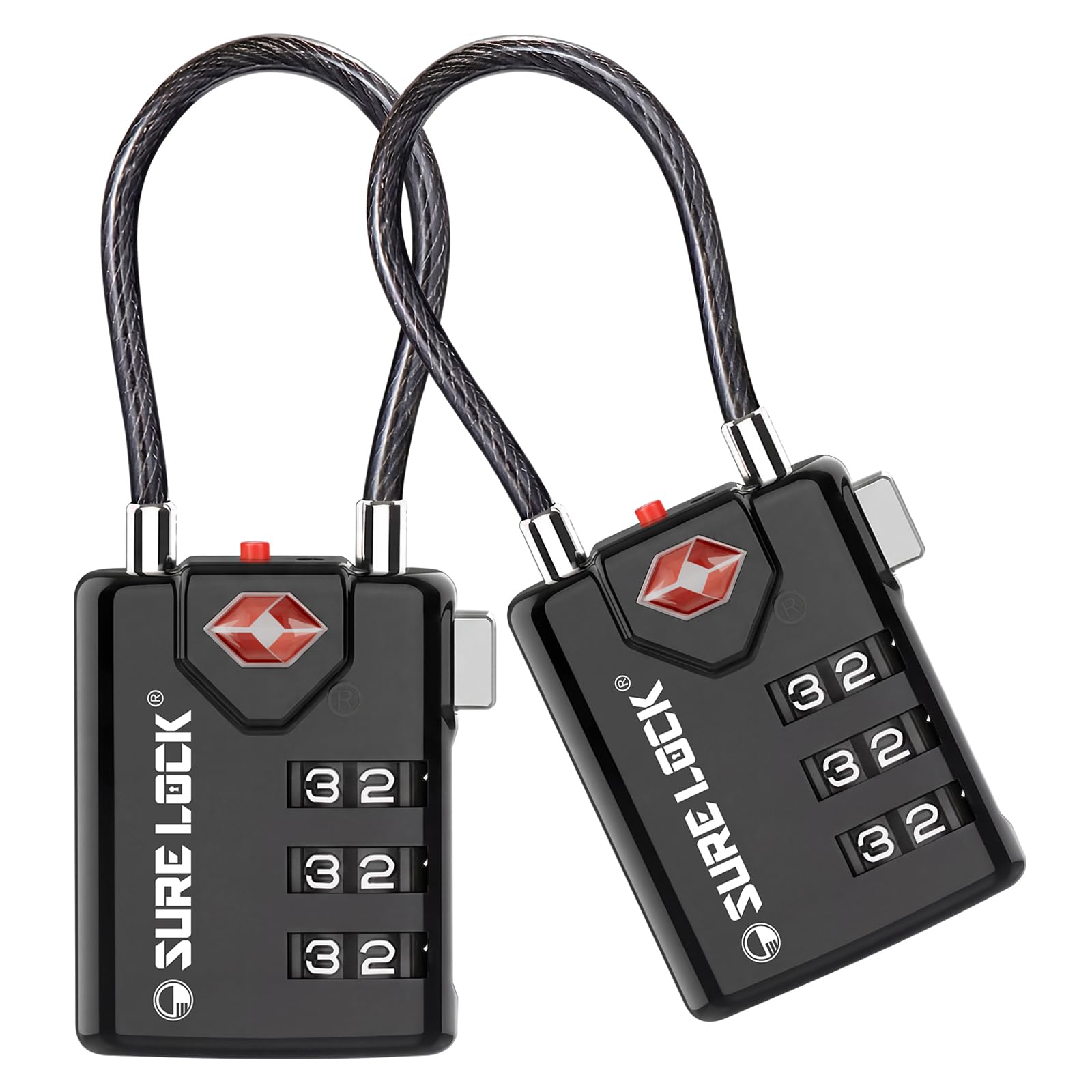 SURE LOCK TSA-Approved Luggage Locks (2-Pack)
on Amazon
 The Sierra Satchel
$59.99