
By Porter Lang
Start with the weight. Wikipedia gives the typical guideboat as 16 feet long, 38 inches across the beam and about 60 pounds. It carries three people and their gear. One guide could lift it and walk.
That last part is the design brief. Everything else follows from it.
What it was for
The Adirondack guideboat was developed in the 1840s, Wikipedia says, for recreational activity in the Adirondack region of New York. A source on the Historic Saranac Lake wiki puts the date of an early written mention at 1841 to 1842, when the Rev. John Todd described the craft. Guides took visitors fishing and hunting, and the boat had to be light enough to carry between waterways. A Hamilton College course page says that guides had to be expert in trail, game, shelter and hospitality, and that a loaded boat could cover 20 to 30 miles in a day. That is a secondary source and a general claim, so take it as a rough indication.
Wikipedia lists a shallow draft and says the boat is driven by oars in rowlocks, not paddles. Our reading of the brief: shallow enough for small lakes, light enough to portage, simple enough to repair.
Who invented it?
Nobody agrees, and that is a fair answer. Wikipedia cites the historian Alfred Donaldson, who credits the Adirondack guides Mitchell Sabattis and Cyrus Palmer. The Hamilton page says Sabattis, of Long Lake, created it in 1849. The Adirondack Explorer says William McLenathen of Jay likely built the first around 1850, at a hotel on Lower Saranac Lake, and that Caleb Chase of Newcomb was building them at about the same time. The Historic Saranac Lake wiki says the design evolved and was not invented by a single person.
Our reading is that the last account is the most plausible, because the other sources give different people, places and years for the beginning. Treat any single origin story as a local tradition.
How it is built
The most unusual part is the ribs. Wikipedia says the stem and ribs are spruce, and that the ribs are traditionally cut from spruce roots, following the natural grain. The roots have a built-in curve. A builder’s own page on construction calls them spruce root crooks. A curved piece of wood cut so that the grain follows the curve is far stronger than one cut across it. This is a general woodworking principle and it is not stated in the sources, so consider it our inference.
The planking is cedar or pine, lapped, which means each plank overlaps the next, with a beveled edge. According to the builder’s page it is about a quarter of an inch thick and is not glued. The planks are screwed to the ribs and fastened with copper tacks clinched through the seams. It gives the tack length as five sixteenths of an inch for quarter-inch planks, with the point protruding by a sixteenth of an inch.
The Historic Saranac Lake wiki says a finished boat contains well over 4,000 tacks and 2,000 screws. That is one figure from one page, and we have not found a count that confirms it.
The bottom board is white pine, about three quarters of an inch thick, according to the same builder’s page. It describes it as about 8 to 9 inches wide at the center and tapering to half an inch at the stems. The ribs are screwed to it in pairs. The boat is built upside down on a strong back. Seats are a fixed bow seat and stern seat and a removable middle seat. Oars are usually maple, and the page gives 7 feet 6 inches to 8 feet for a 16-foot boat.
The Adirondack Explorer says the boat is built without adhesives, that all the wood comes from native Adirondack trees, and that the components flex together when it is rowed.
Weight and length, with a caveat
Wikipedia says about 60 pounds. The Historic Saranac Lake wiki says guideboats were usually 15 or 16 feet long and weighed 60 to 75 pounds. Both can be true, since boats varied by builder and by region. The Explorer says different regions developed distinct characteristics, and names the Fulton Chain of Lakes, the Saranac Lakes and the Long Lake and Raquette Lake area.
Not many
The Explorer says only a few thousand traditional guideboats were made, and that a boat typically took three months to build. Our reading is that those two numbers together explain why a surviving boat is treated as a museum object. The Historic Saranac Lake wiki lists historic builders town by town, from Saranac Lake to Long Lake, Boonville, Bloomingdale, Lake Placid and Raquette Lake. We have left the family names in that list, since a roll of historic builders belongs there and not in a story about the boat.
Racing
Wikipedia says the Willard Hanmer Guideboat Race has been held every year since 1962 on the Sunday nearest July 4 in Saranac Lake, a 10-mile course on Lake Flower and the Saranac River. The Historic Saranac Lake wiki lists Willard Hanmer, 1901 or 1902 to 1962, among the Saranac Lake builders. The race carries the name of a builder. That is as good a sign as any that the boats mattered to the people who made them.
What to take from it
For anyone who cares about how things are made, the guideboat is a lesson in matching a material to a job. Roots for curves. Thin cedar for lightness. Copper tacks clinched through the seams. Every part answers a question about weight or flex. If you ever stand next to an old one, ask which parts have been replaced. We have not found a source on how common repairs are, so the answer is the interesting part.
Roam first. Shop later.
Boatbuilders and woodworkers can find out what’s involved at /sell-with-sephari/
Shop Sephari Picks
As an Amazon Associate we earn from qualifying purchases. Some items below are sponsored affiliate products.
 Wanderer Leather Trolley Suitcase
$350.00
 Leather Carry-On Trolley Bag
$499.00
 The Peterson Leather Duffle
$140.00
Ad
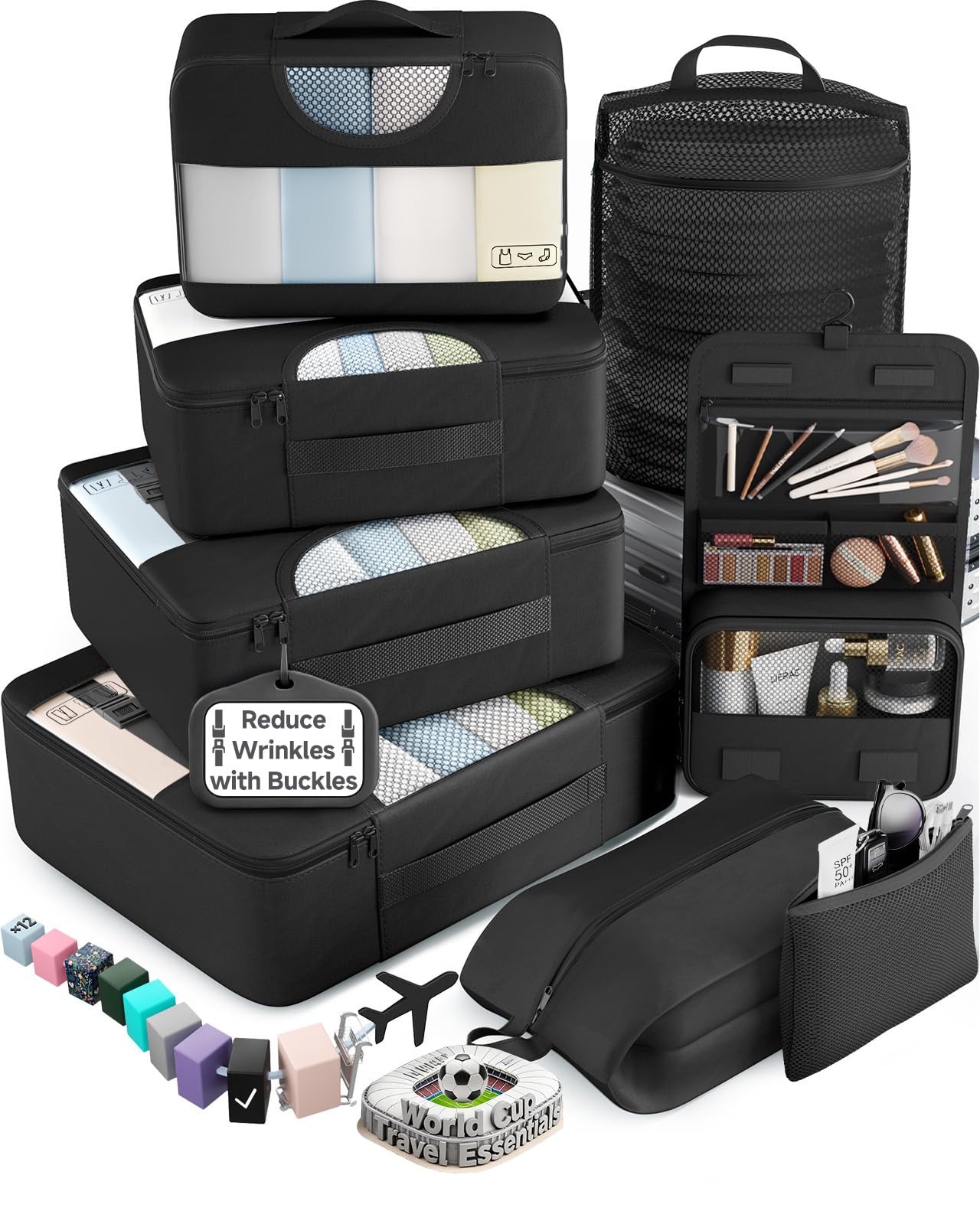 Veken 8-Set Packing Cubes for Travel
on Amazon
 Tan Leather Trolley Bag 44L
$240.00
 Traveler Weekender Duffle
$120.00
 Walker Leather Weekender Bag
$130.00
Ad
 Ringsun Genuine Leather Luggage Tags (2-Pack)
on Amazon
 Nocona Hiker Men's Belt
$42.00
 Waterline Braided Belt
$35.00
 Teddy Cattleman Cowboy Hat
$156.00
Ad
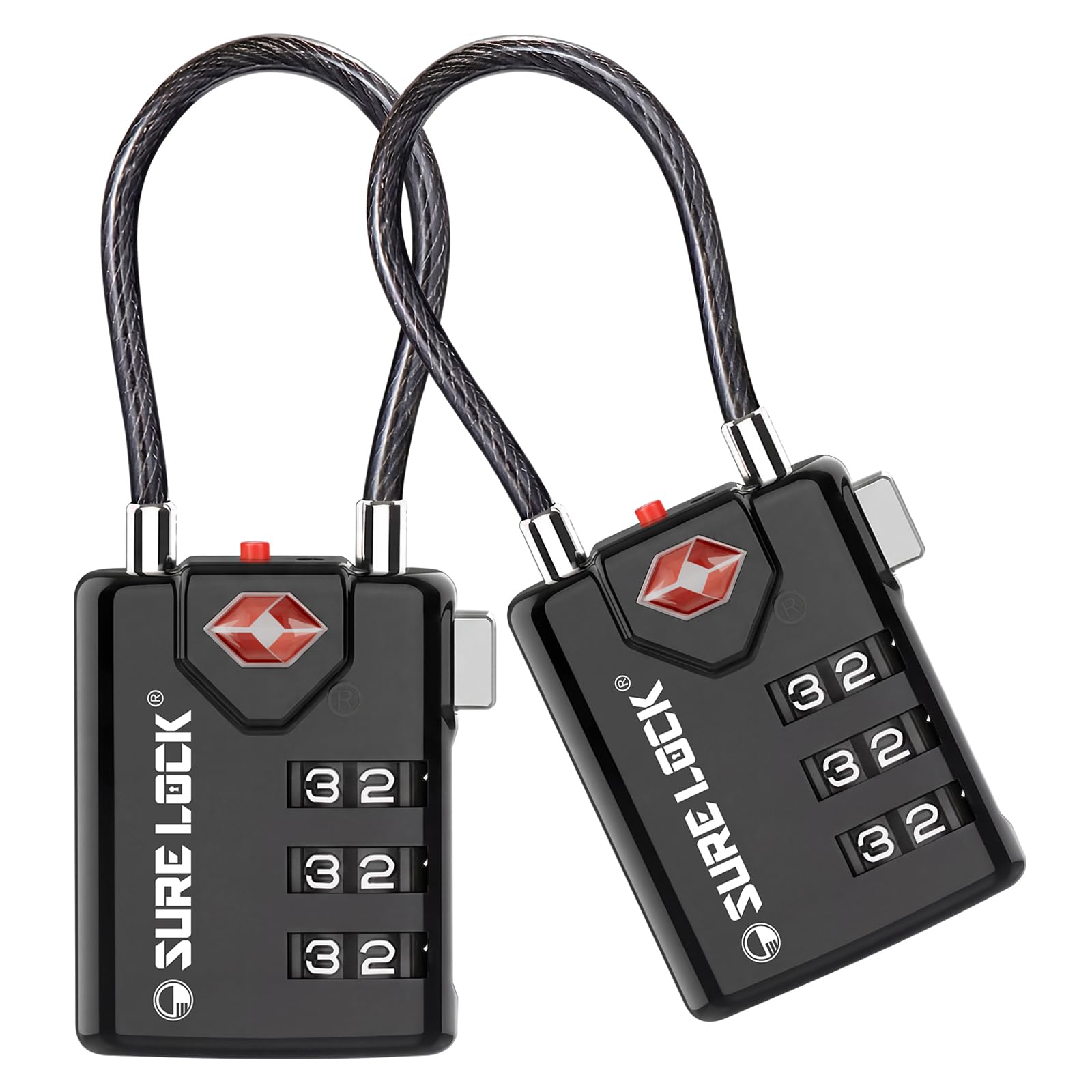 SURE LOCK TSA-Approved Luggage Locks (2-Pack)
on Amazon
 The Sierra Satchel
$59.99