
By Isla Quinn
Look at the neck. A thread on the outside of the glass, a metal ring that bites into it, a lid held down by the ring.
The thread is the whole story. According to Smithsonian magazine, the seal that came with it removed the need for the wax that had been used before.
A tinsmith in New Jersey
John Landis Mason was a tinsmith from Vineland, New Jersey. Wikipedia gives his years as 1832 to 1902 and says he patented a screw-threaded glass jar in 1858, as U.S. patent number 22,186. Sources differ on the day: Wikipedia lists November 28, 1858, and Smithsonian magazine says November 30. We will say late November and leave it there. Smithsonian puts his age at 26.
What did the patent describe? Wikipedia says the jar’s mouth has a screw thread on its outer edge to take a metal ring, or band, and that when screwed down the band presses a separate stamped steel disc lid against the rim. It adds that in the earliest version the cap screwed down onto a rubber ring on the shoulder of the jar and not the lip. Smithsonian describes the seal as a rubber ring on the underside of the metal lid, which removed the need for wax. A 2013 article on the Core77 design site describes it a little differently again: a zinc screw-top lid, with the jar lip ground flat to a square shoulder and a rubber gasket inside the lid.
So the details vary by account and by year of the design. The principle does not. Our reading is that a thread plus a compressible ring gives a seal that can be opened and closed again, which is something wax could not offer.
The glass was transparent aqua in the early jars, according to Smithsonian. Wikipedia says most antique jars that are not clear are aqua or “Ball blue,” a blue-green shade it dates to roughly 1910 to 1930. Smithsonian says collectors have also found jars in pink, cobalt, amber and violet.
The patent runs out
Here the sources disagree, and the disagreement is interesting. Wikipedia says a court ruling in 1874 threw out Mason’s 1870 patent for improvements, finding that he had abandoned the invention between 1859 and 1868. That opened the market to competitors. Smithsonian says Mason waited until 1868 to patent the rubber-ring seal, a gap of about a decade. Core77 states plainly that his patent expired in 1879. We cannot reconcile three dates from three secondary sources, and we are not going to pretend to. What they agree on is the effect: after Mason’s rights lapsed or were struck down, other glassmakers could make the jar.
Five brothers and a gas boom
One of those makers was the Ball family. Smithsonian says five brothers, Edmund, Frank, George, Lucius and William, were involved, and that in 1880 they bought the Wooden Jacket Can Company with a $200 loan from an uncle. Collectors Weekly says Frank and Edmund of Buffalo, New York, bought the company and that the first Ball jars as we think of them today were produced by 1884. Core77 says that the family moved to Muncie, Indiana, after the natural gas boom of 1886, and gives February 7, 1888 as the date the certificate of incorporation was filed. Smithsonian says the move was made for natural gas as glassmaking fuel.
Early Ball jars carried the words “Mason’s Patent 1858,” Smithsonian notes, and the company became the largest producer of Mason jars in America. Core77 dates the “Perfect Mason” to 1913, in Muncie, and calls it the first time the company made every part itself.
Wikipedia adds a figure with a caveat attached. It says Ball made 54 percent of the canning jars produced in the United States in 1939, but marks the data as needing a citation, so treat it as a rough indication and not a measured fact. It also says Ball spun off its home-canning business in 1993.
Other names, and a weak spot
Ball was not alone. Wikipedia says another maker introduced improved lids with permanent rubber seals in 1903 and a modernized design in 1915. It describes a style called the Atlas Strong Shoulder, which had a reinforced shoulder because the original design could crack from the stress at the sealing point. That is a useful detail. It tells you where a screw-top jar was weakest: right where the seal pressed.
Why blue?
Core77’s author says the pale blue of vintage jars blocked some light from reaching the food, which helped it keep flavor and nutrition. That is one writer’s explanation and we found no second source for it, so read it as a claim and not as settled. Wikipedia says only that virtually no other bottle or jar was made in the Ball blue color.
War, decline and a second life
Wikipedia says the jar became an essential part of farming culture and home food storage, and that use peaked during the Second World War, when the government rationed food and encouraged people to grow their own. Smithsonian mentions wartime posters urging women to “Can All You Can.” Decline followed urbanization, electric refrigeration and better food transport, Wikipedia says. Smithsonian describes a revival among the counterculture of the 1960s and 1970s.
Then there is everything else a jar can be. Wikipedia lists oil lanterns, soap dispensers, speakers and vases, and says jars are sometimes used for desserts. Smithsonian reports that in March 2020, Google searches for growing vegetables from scraps rose 4,650 percent, and that stores reported canning supplies on backorder for months.
What to look for
If you collect, check the glass color against the date claims above, and be wary of any claim that rests on a single color. If you simply use one, look at the shoulder, the place the Atlas design reinforced. A jar is a very small machine, and this one has been in use since the 1850s.
Roam first. Shop later.
Glassmakers and makers of preserving and kitchen goods can find out what’s involved at /sell-with-sephari/
Shop Sephari Picks
As an Amazon Associate we earn from qualifying purchases. Some items below are sponsored affiliate products.
 Wanderer Leather Trolley Suitcase
$350.00
 Leather Carry-On Trolley Bag
$499.00
 The Peterson Leather Duffle
$140.00
Ad
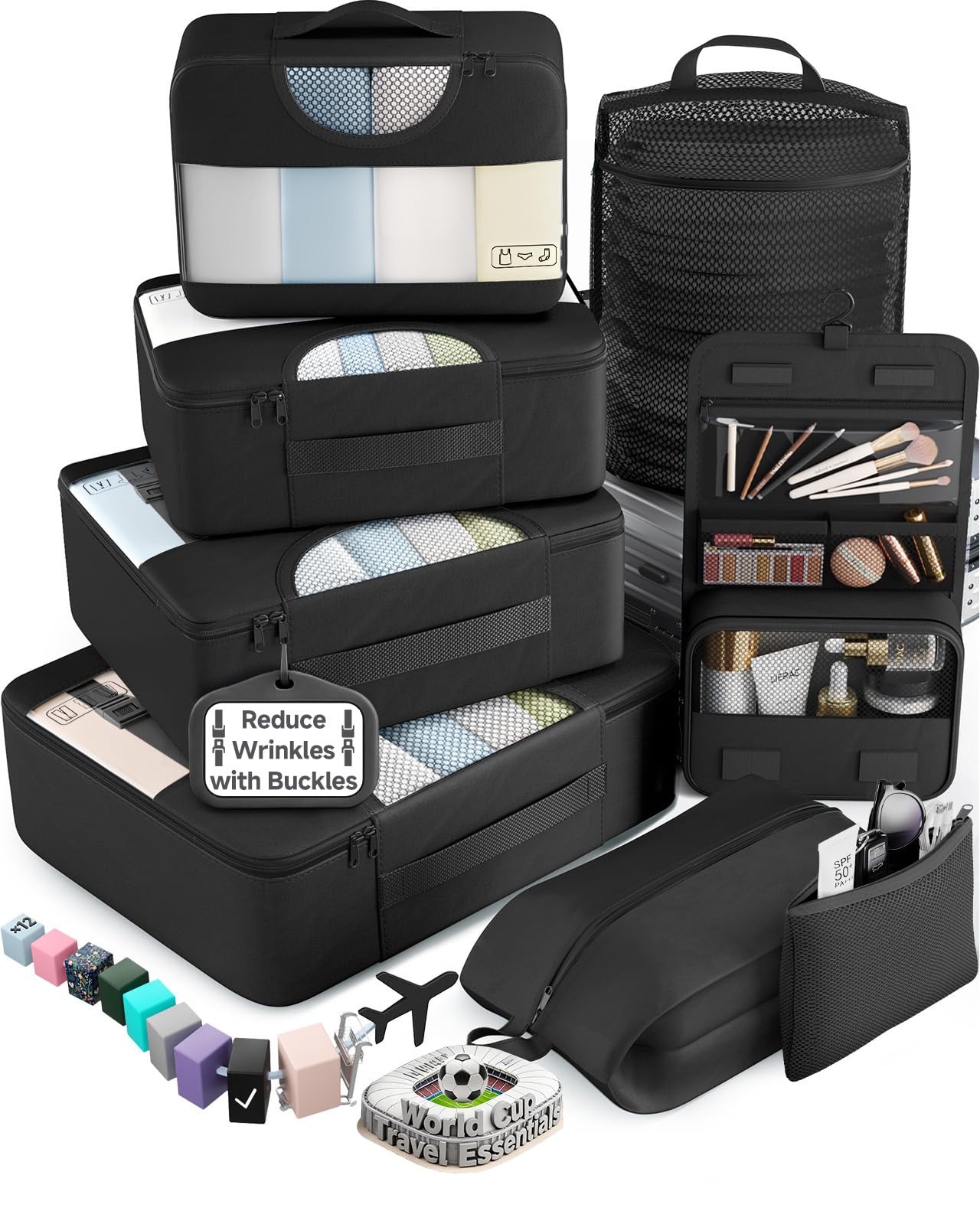 Veken 8-Set Packing Cubes for Travel
on Amazon
 Tan Leather Trolley Bag 44L
$240.00
 Traveler Weekender Duffle
$120.00
 Walker Leather Weekender Bag
$130.00
Ad
 Ringsun Genuine Leather Luggage Tags (2-Pack)
on Amazon
 Nocona Hiker Men's Belt
$42.00
 Waterline Braided Belt
$35.00
 Teddy Cattleman Cowboy Hat
$156.00
Ad
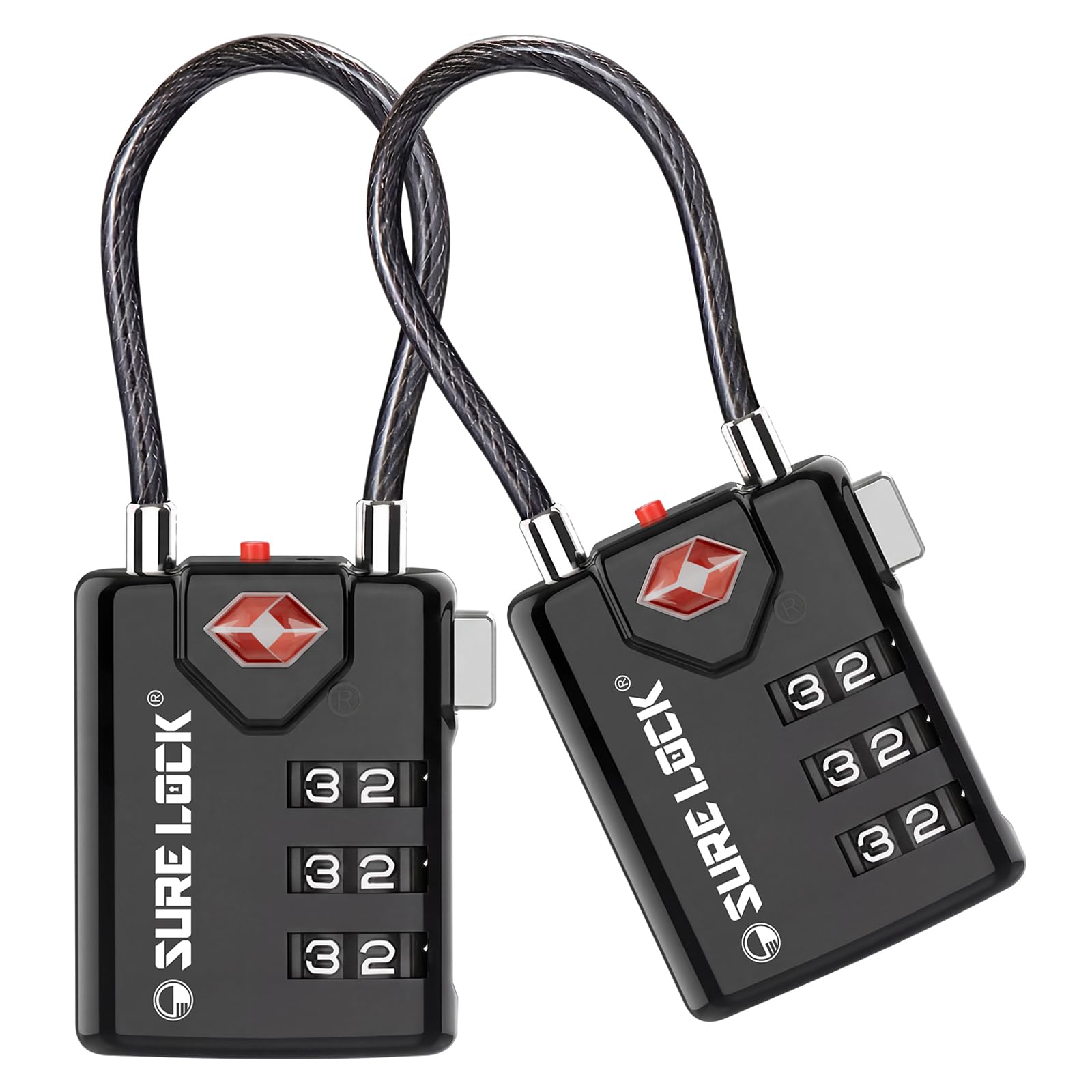 SURE LOCK TSA-Approved Luggage Locks (2-Pack)
on Amazon
 The Sierra Satchel
$59.99