
By Isla Quinn
There is a box in the Shaker Museum’s collection that nobody can prove the Shakers made.
The museum’s director of collections and research, Jerry Grant, wrote about it in November 2017. The oval box, he says, was first made for sale at the Mount Lebanon Church Family around 1799, one of the earliest Shaker businesses. Between 1822 and 1865, the same account says, the Church Family produced over 77,000 boxes. Production carried on after the Civil War, moving to the Second Family and lasting through the 1930s, and Brother Delmer Wilson at Sabbathday Lake was still making them into the 1950s. A retailer’s blog gives the same 77,000 figure and the date of about 1799 at New Lebanon. We have not found a primary count.
How a box is built
The museum’s account uses a few precise words. The bent parts are called rims. The flat boards that form the top and bottom are called headings. The overlapping ends of the rim are swallowtails, or fingers. The rims are steam-bent and tacked through the swallowtails with copper tacks, and the heading is secured with points, which can be copper, iron or wooden wedges. No glue is used. The account says boxes ranged from about two inches to over a foot long, were designed to nest, and held kitchen items such as salt, flour and spices, sewing notions, hardware and pigments.
The retailer’s blog, which promotes its own handmade boxes in Embden, Maine, adds that the swallowtail joints are hand-cut to allow the wood to expand and contract without cracking, and that copper tacks prevent rust and staining. It says boxes are typically made from hardwoods such as maple or birch, and that early boxes were painted in reds, oranges, greens, blues, browns and yellows, while after about 1860 most were varnished. The museum account describes an older pine heading in its earliest examples. A retailer is an interested source, and we are treating those details as claims.
The earliest boxes, and what is not known
The museum article is most interesting where it admits doubt. It describes five “tucked-finger” boxes in its collection, with a rounder oval than the standard elongated ellipse, swallowtail ends inserted through slots and then tacked, copper tacks only at the swallowtails with wooden pegs elsewhere, five to eight wooden points clustered to the left of the rim’s center, and tight-grained old-growth pine headings, often painted. It says none of these boxes, to date, has solid provenance connecting it directly to the Shakers. Four of the five were collected near Watervliet and Mount Lebanon but not directly from Shakers. The features suggest early manufacture, before 1799, but the origin remains unconfirmed.
That means the earliest boxes are an open question, and the only museum source we read says so. If a seller tells you a box dates to the 1700s and was made by Shakers, ask for the paperwork.
Where the boxes lived
The retailer’s blog says the nested design let smaller boxes fit inside larger ones for storage efficiency, and that in the community they held kitchen supplies such as salt, flour, sugar, herbs and spices, sewing notions in the sisters’ workrooms, and hardware and supplies in the brothers’. The museum account lists similar contents. These are consistent but not independent, since both describe use in the same communities. Neither says how long a single box took to make.
Which villages made them
The museum article lists five Shaker communities that made boxes for sale at various times: Mount Lebanon, Canterbury, Sabbathday Lake, Alfred and Union Village. It does not give the dates for each, and we are not guessing them.
The last village
Wikipedia’s article on Sabbathday Lake Shaker Village places it in New Gloucester, Maine, and says it was established in 1782, 1783 or 1793, which shows how loose the sources are on the founding. It calls the village the last active Shaker community, with three members as of 2025. It says the museum opened in 1931, houses 13,000 artifacts including furniture, oval boxes, woodenware and metal and tin wares, and attracts up to 10,000 visitors a year, and that the property was declared a National Historic Landmark in 1974. It lists current products as fancy goods, basket making, weaving, printing and small woodenware. We have not confirmed those with the community.
Handmade today
The retailer’s blog states the Shaker motto “Hands to work, hearts to God” and ties it to how the community approached craft. We found no source that says how many makers outside the community make boxes in this style, how many follow the Shaker method and how many do not. A box can be called Shaker-style without being made by the Shakers. We did not look for a regulated term, and none is mentioned in these sources.
What we could not find
We found no source on how many oval boxes survive from the Mount Lebanon production, on how to date a box reliably, or on a reliable list of working makers. We are not naming a maker and we are not quoting prices.
What to ask
Ask who made the box and where. Ask what the rim and the heading are made of. Ask whether the swallowtails are tacked with copper and whether any glue was used. Ask whether the box is an antique, a reproduction or a new design in the Shaker manner. Ask how to care for the finish, since our sources do not say.
We are not naming a workshop. We have not sourced one for this piece.
Roam first. Shop later.
If you make oval boxes in the Shaker manner, the process for getting listed is at /sell-with-sephari/
Shop Sephari Picks
As an Amazon Associate we earn from qualifying purchases. Some items below are sponsored affiliate products.
 Wanderer Leather Trolley Suitcase
$350.00
 Leather Carry-On Trolley Bag
$499.00
 The Peterson Leather Duffle
$140.00
Ad
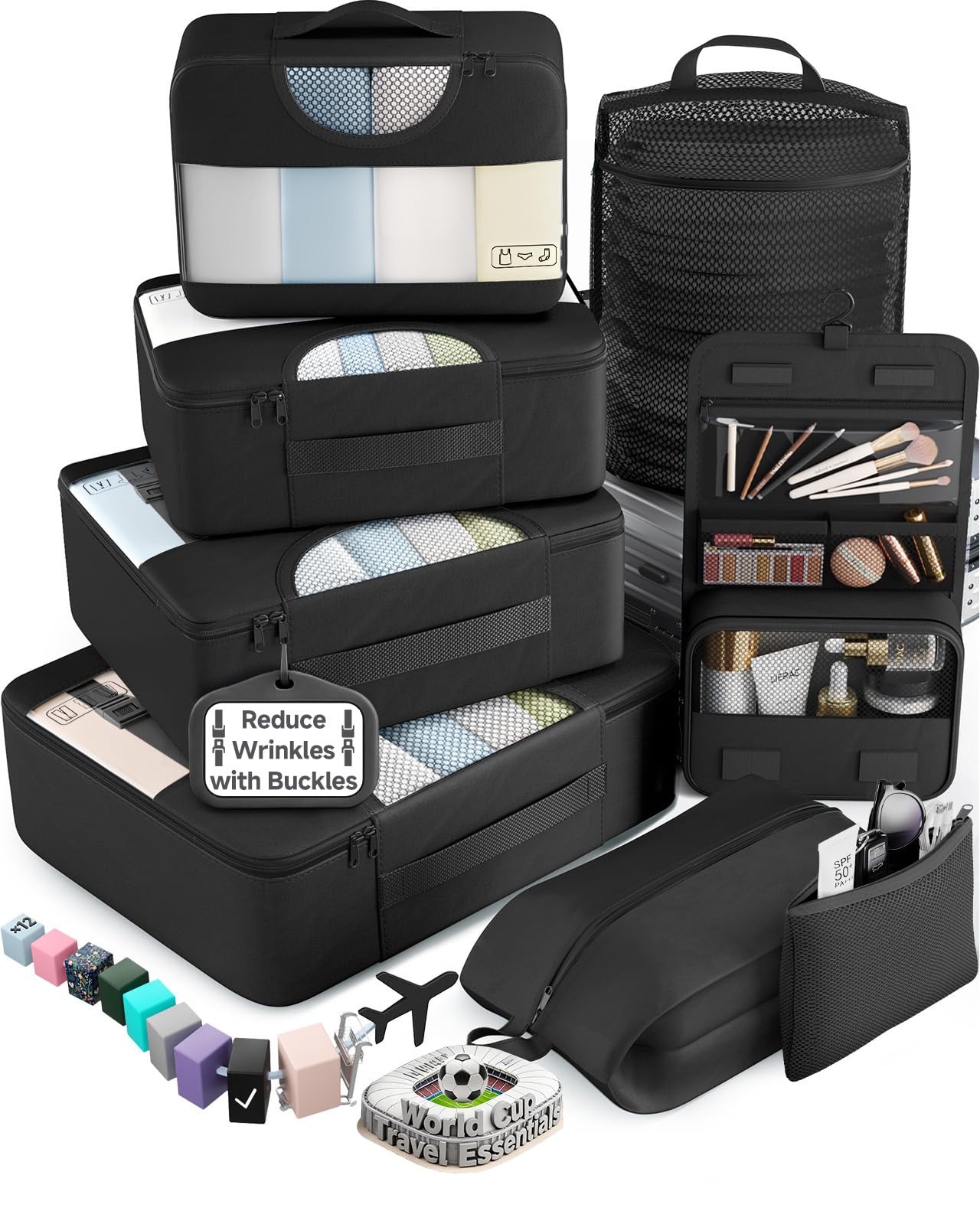 Veken 8-Set Packing Cubes for Travel
on Amazon
 Tan Leather Trolley Bag 44L
$240.00
 Traveler Weekender Duffle
$120.00
 Walker Leather Weekender Bag
$130.00
Ad
 Ringsun Genuine Leather Luggage Tags (2-Pack)
on Amazon
 Nocona Hiker Men's Belt
$42.00
 Waterline Braided Belt
$35.00
 Teddy Cattleman Cowboy Hat
$156.00
Ad
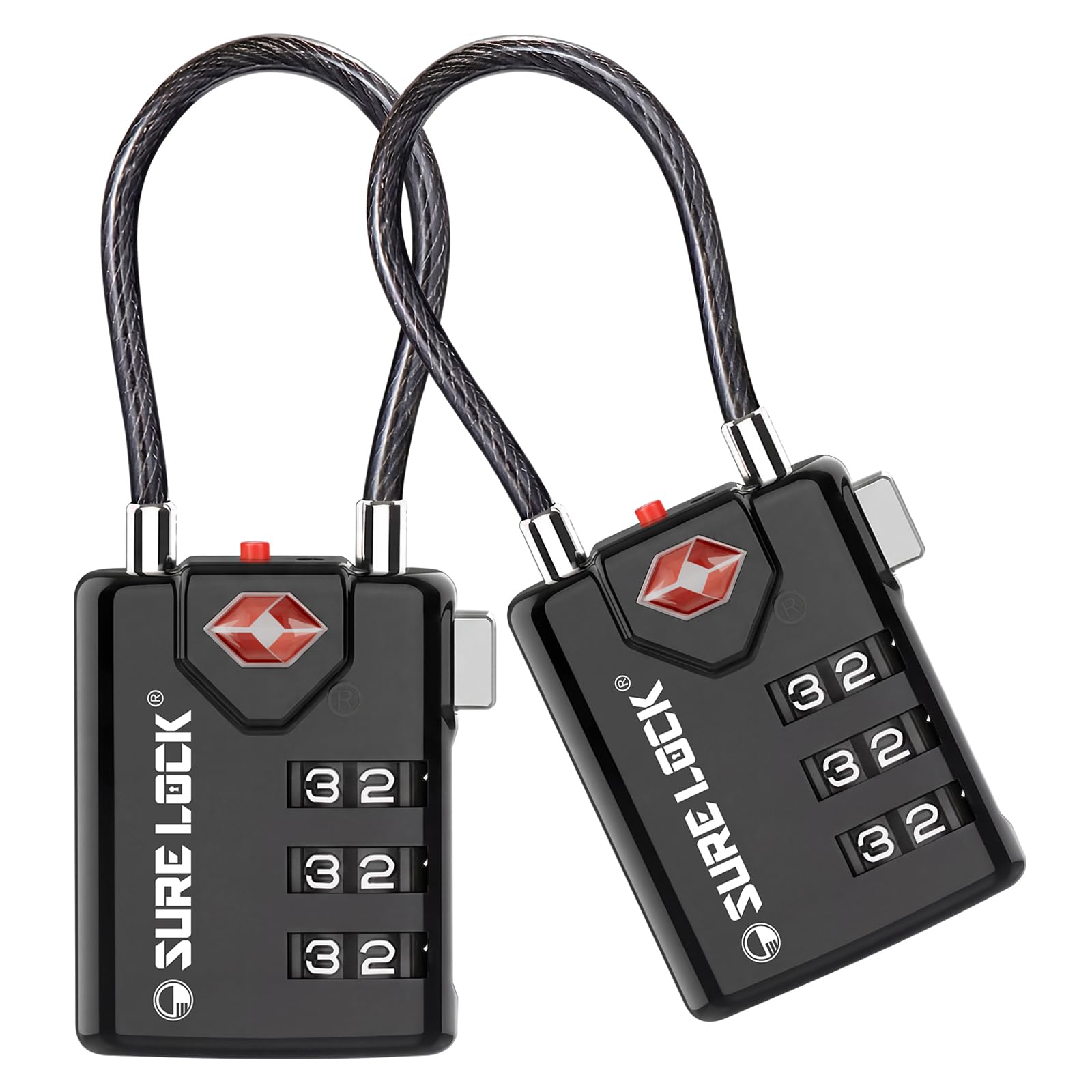 SURE LOCK TSA-Approved Luggage Locks (2-Pack)
on Amazon
 The Sierra Satchel
$59.99