
By Rafe Calder
Nobody is quite sure why a chair is named after Windsor, and the sources do not pretend otherwise.
Wikipedia’s article on the Windsor chair says the origin of the name remains unclear, with speculation that it derives from Windsor, which became the center of trade between producers and London dealers. It says the modern design emerged as early as the sixteenth century in England, when wheelwrights started coping chair spindles the way they made wheel spokes. We have not found a source that settles the name or the date.
What makes it a Windsor
The article defines the type by its construction: a solid wooden seat into which the back and legs are round-tenoned, or pushed into drilled holes. It names oak, ash and hickory for spindles because of their flexibility and grain, and elm as the traditional choice for English Windsor seats because its interlocking grain gives cross-grain strength and resists splitting. It lists seven forms: sack-back, hoop back, comb-back, continuous arm, low back, rod back and fan back. Steam bending gave the curved backs, it says, and three specialist workers, the bodger, the benchman and the framer, were traditionally involved.
An engineering paper on the sack-back armchair, published through the Chipstone Foundation and written by David R. Pesuit, describes the chair in structural terms. It says the type has a steam-bent hoop, called a bow, with spindles passing through it, that makers used hickory and oak for bent parts and tulip poplar or white pine for seats, and that Philadelphia artisans favored tulip poplar while New England makers preferred white pine. It adds that seats were thick boards with through-socketed legs, often saddle-shaped, and that arm supports were typically canted forward 10 to 20 degrees to create a locking effect. The paper’s conclusion is that form followed both function and failure, with makers fixing structural problems by changing rail thickness, support angles and where the spindles entered the hoop. We have not read the full paper and are summarizing a short abstract of it.
A second source on wood
An article on Windsors in Philadelphia, by Christopher Storb for a collecting magazine, gives the woods in one documented example as a yellow poplar seat, hickory spindles, an oak arm rail and ash legs. That agrees in outline with Chipstone and differs a little from the general list, which names elm as the English seat wood. English and American practice may simply have differed, and none of the sources says so directly.
When did it reach America?
Here the dates do not line up. Wikipedia says Patrick Gordon imported early chairs to Pennsylvania around 1726, and that the first American-made Windsor, based on the British design, was made in Philadelphia in 1730. Storb’s article says Gordon’s 1736 estate inventory listed “five Windsor chairs”, English imports, and gives David Chambers as the earliest documented Philadelphia maker, in an advertisement of 1748 that mentions making Windsor chairs “as formerly”, which Storb reads as suggesting several earlier years. It names Thomas Gilpin as active by the mid-1750s, working from about 1752 to 1766 and marking his chairs with a brand, and dates the earliest documented chair in the Dietrich collection to about 1755. Chipstone’s paper adds that Francis Trumble worked on Front and Second Streets and operated for about forty years beginning around 1760, and says its chairs are mostly dated 1750 to 1800, concentrated in the 1760s and 1770s.
Two accounts differ on the first imports, 1726 or 1736, and on the first Philadelphia maker, 1730 or 1748. We have not seen a primary document for any of them, and we are not choosing. Storb’s article also notes that the earliest English reference is from 1724 and that the royal household was buying by 1729. That is one author’s statement.
Why so much paint?
Two lighter sources disagree on the reason. A 2019 article by a Washington-area antiques dealer says early American Windsors were mostly painted green, brown or black to hide the mix of woods, naming hickory spindles, pine seats and maple, ash or oak parts. A magazine piece reprinted online, originally from 1945, quotes a 1766 New York advertisement describing chairs “well painted” in the prevailing colors of gray and green, and says they were meant for outdoor use on piazzas or in gardens. Those can both be true. We have not seen the advertisement itself, and both sources are popular writing and not museum research.
The democratic seat
The dealer’s article calls the Windsor the first mass-produced furniture design in the United States and says Jefferson, Washington, Adams and Franklin all owned them, which it ties to the chair’s nickname. We have not checked either claim against a historical source, and “first mass-produced” is a large claim. The same article says authentic early American Windsors have angled legs, unlike straight English versions, thicker seats and more spindles than later ones, and that Philadelphia makers later introduced the sack-back in the 1760s and the fan-back in the 1770s, with the continuous-bow chair developing in New York around 1790. We have not cross-checked those dates. The reprinted 1945 piece names an early Philadelphia maker whose chairs, it says, furnished Independence Hall. We are not repeating the name because we cannot confirm it.
Named makers are history
We are naming the early makers only as history. We have not checked which, if any, have living successors, and we are not recommending any workshop.
What we could not find
We found no source on how many Windsors a skilled maker builds in a year, on how long one takes, or on how to tell an early chair from a later or modern copy. We are not quoting prices. We did not find a dated list of working Windsor chairmakers today.
What to ask
Ask what the seat is made of, and what the spindles and legs are. Ask whether the legs are through-socketed or just glued. Ask whether the bow was steam-bent by the maker. Ask whether the chair is an antique, a reproduction or a new design. Ask about the finish, and how it should be kept.
We are not naming a workshop. We have not sourced one for this piece.
Roam first. Shop later.
If you build Windsor chairs, the process for getting listed is at /sell-with-sephari/
Shop Sephari Picks
As an Amazon Associate we earn from qualifying purchases. Some items below are sponsored affiliate products.
 Wanderer Leather Trolley Suitcase
$350.00
 Leather Carry-On Trolley Bag
$499.00
 The Peterson Leather Duffle
$140.00
Ad
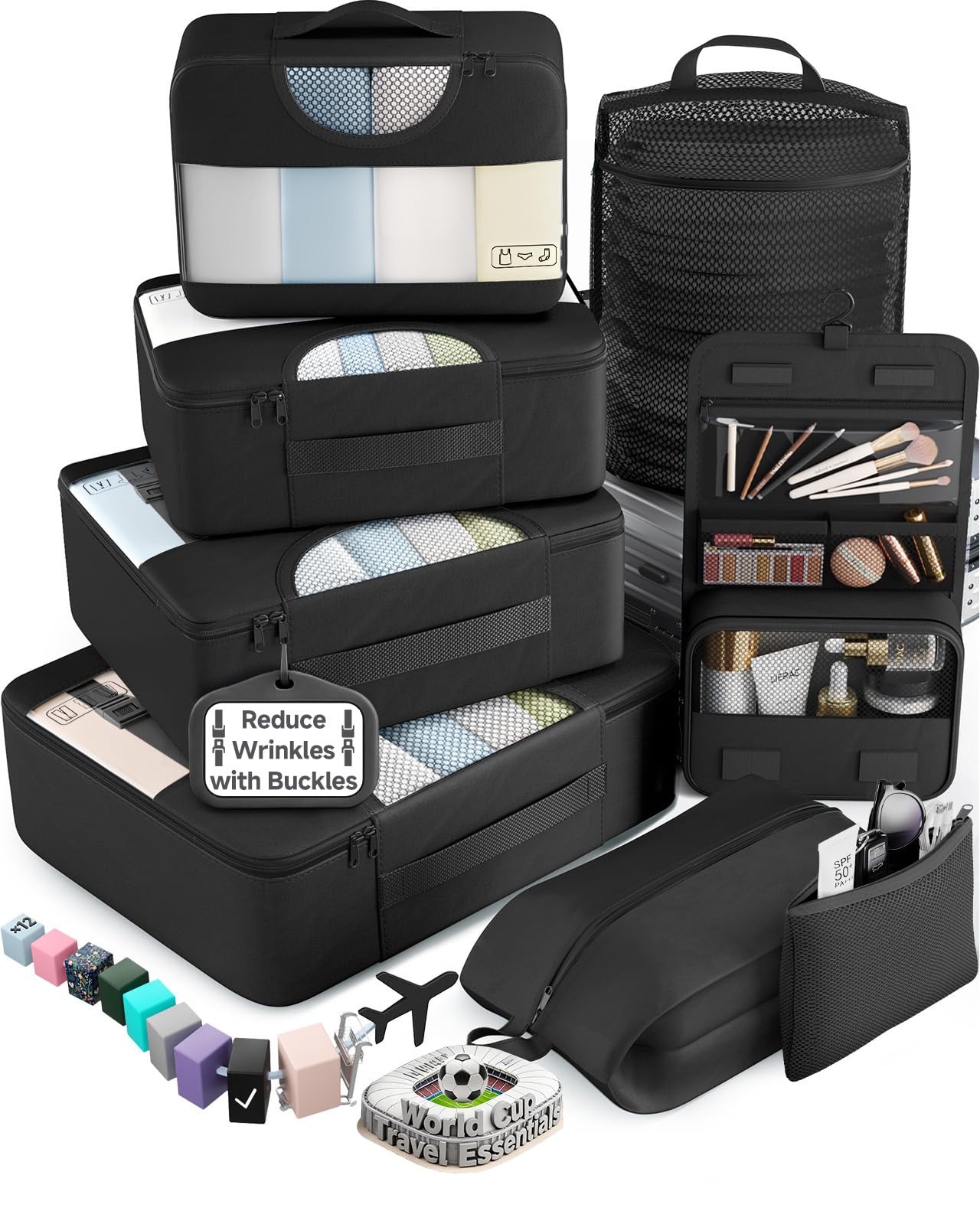 Veken 8-Set Packing Cubes for Travel
on Amazon
 Tan Leather Trolley Bag 44L
$240.00
 Traveler Weekender Duffle
$120.00
 Walker Leather Weekender Bag
$130.00
Ad
 Ringsun Genuine Leather Luggage Tags (2-Pack)
on Amazon
 Nocona Hiker Men's Belt
$42.00
 Waterline Braided Belt
$35.00
 Teddy Cattleman Cowboy Hat
$156.00
Ad
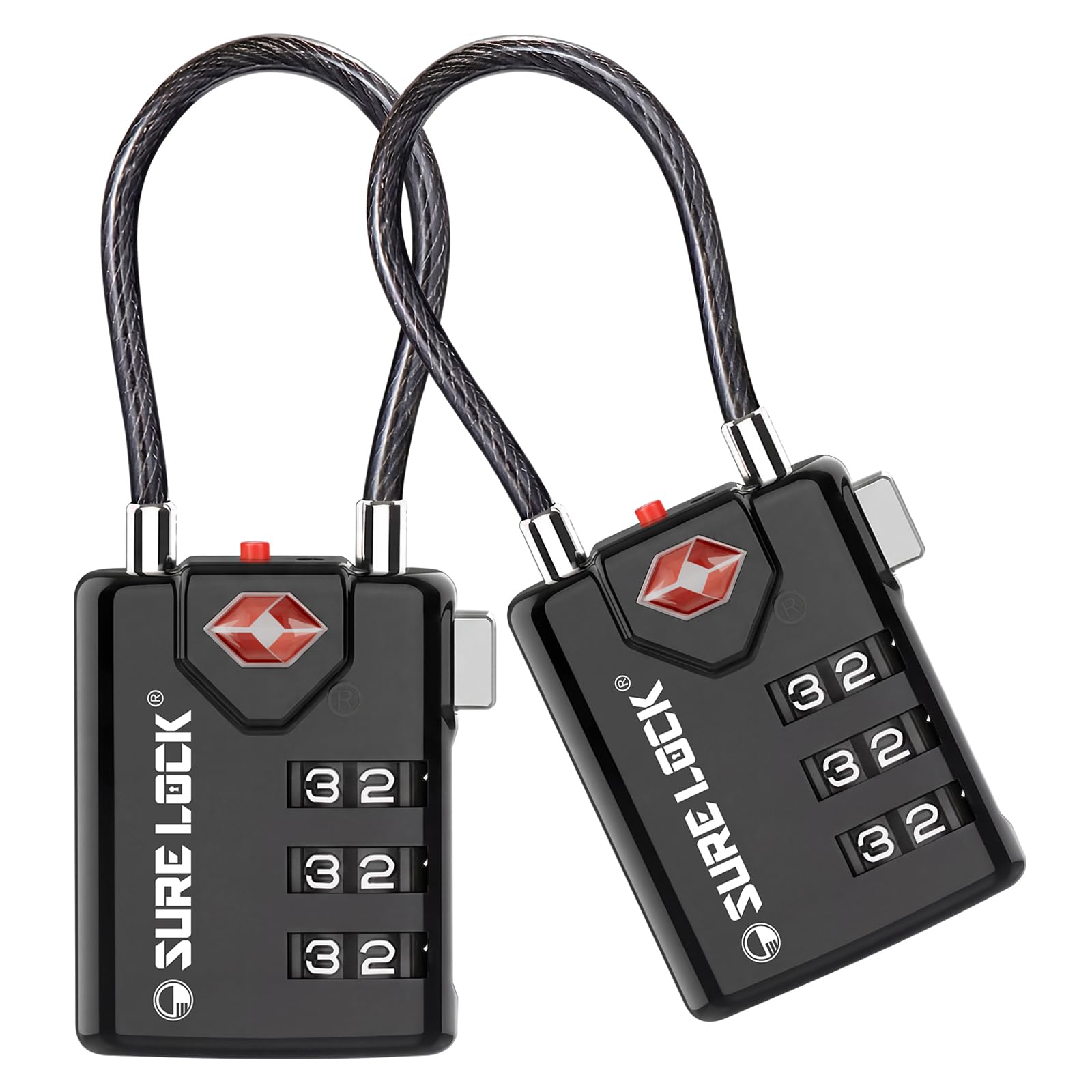 SURE LOCK TSA-Approved Luggage Locks (2-Pack)
on Amazon
 The Sierra Satchel
$59.99