
By Porter Lang
Corning, New York, has a nickname that sounds like a boast, Crystal City, and a collection that mostly backs it up.
Wikipedia places Corning in Steuben County, on the Chemung River, with a population of 10,551 at the 2020 census on 3.26 square miles. It describes the city as the headquarters of Corning Incorporated, formerly Corning Glass Works, a maker of glass and ceramic products for industrial, scientific and technical uses. It says the Crystal City name grew with the glass industry, with local firms producing American Brilliant Period cut glass between 1880 and 1915. The city’s Gaffer District, it adds, holds many of the cultural events and historic landmarks, in restored buildings with shops and restaurants.
The museum
The Corning Museum of Glass, according to Wikipedia, was established in 1951 by Corning Glass Works. It houses more than 50,000 glass objects, some over 3,500 years old, and the Rakow Research Library, which the article calls one of the world’s major glass research centers and says holds more than 130 archives. We have not checked those numbers with the museum.
The same article says the Studio opened for classes in 1996, and that an expansion in October 2024 took it from 24,000 to 60,000 square feet to make room for artist residencies and a two-year Glassmaking Institute. It also describes a daily Hot Glass Show in which glassmakers shape molten glass into vases, bowls and sculptures, each lasting between 20 and 40 minutes. Schedules and class offerings change, so check with the museum.
The article records a hard day in the collection’s history. In June 1972, Hurricane Agnes flooded the museum, affecting half of the library collection and 528 of the museum’s 13,000 objects. Visitation was listed as 400,000 in 2012. That number is more than a decade old and we have not seen a current figure.
Steuben
The city’s most famous art-glass name has its own article. Wikipedia says Steuben Glass was founded in the summer of 1903 in Corning by Frederick Carder, an English designer from Stevens & Williams, and Thomas G. Hawkes, who owned the city’s largest cut-glass firm. Carder perfected Gold Aurene, an iridescent glass, and went on to create more than 7,000 shapes and 140 colors. In 1918, the article says, Steuben was acquired by Corning Glass Works. Arthur A. Houghton Jr. became president in 1933, and production moved toward modern forms in a newly developed clear glass formula.
Then it gets complicated. The article says Schottenstein Stores bought Steuben in July 2008 and announced the closing of the Corning factory and Manhattan store on September 15, 2011, ending a 108-year history. Corning Incorporated later repurchased the brand, and by early 2014 the museum had begun reproducing Steuben pieces with a lead-free formula and the classic leaded crystal. So “Steuben” today can mean a design lineage, a closed factory or a museum reproduction program. We have not confirmed what is currently made or sold under the name.
What we could not find
We did not find a dated count of independent glass studios in Corning, a list of working glassmakers who sell to the public, or a source on how the Studio’s artists are chosen. We are not naming a maker. Anyone who names one to you should be able to say who blew the piece.
What to ask
Ask who made the piece and whether it was blown, cast, cut or pressed. Ask whether it is a one-off, a small run or a reproduction. If it carries the Steuben name, ask whether it was made before 2011 or by the museum afterward. Ask about care for lead crystal if the piece is leaded, because our sources do not say.
We are not naming a workshop. We have not sourced one for this piece.
Roam first. Shop later.
Corning makers can find out what’s involved at /sell-with-sephari/
Shop Sephari Picks
As an Amazon Associate we earn from qualifying purchases. Some items below are sponsored affiliate products.
 Wanderer Leather Trolley Suitcase
$350.00
 Leather Carry-On Trolley Bag
$499.00
 The Peterson Leather Duffle
$140.00
Ad
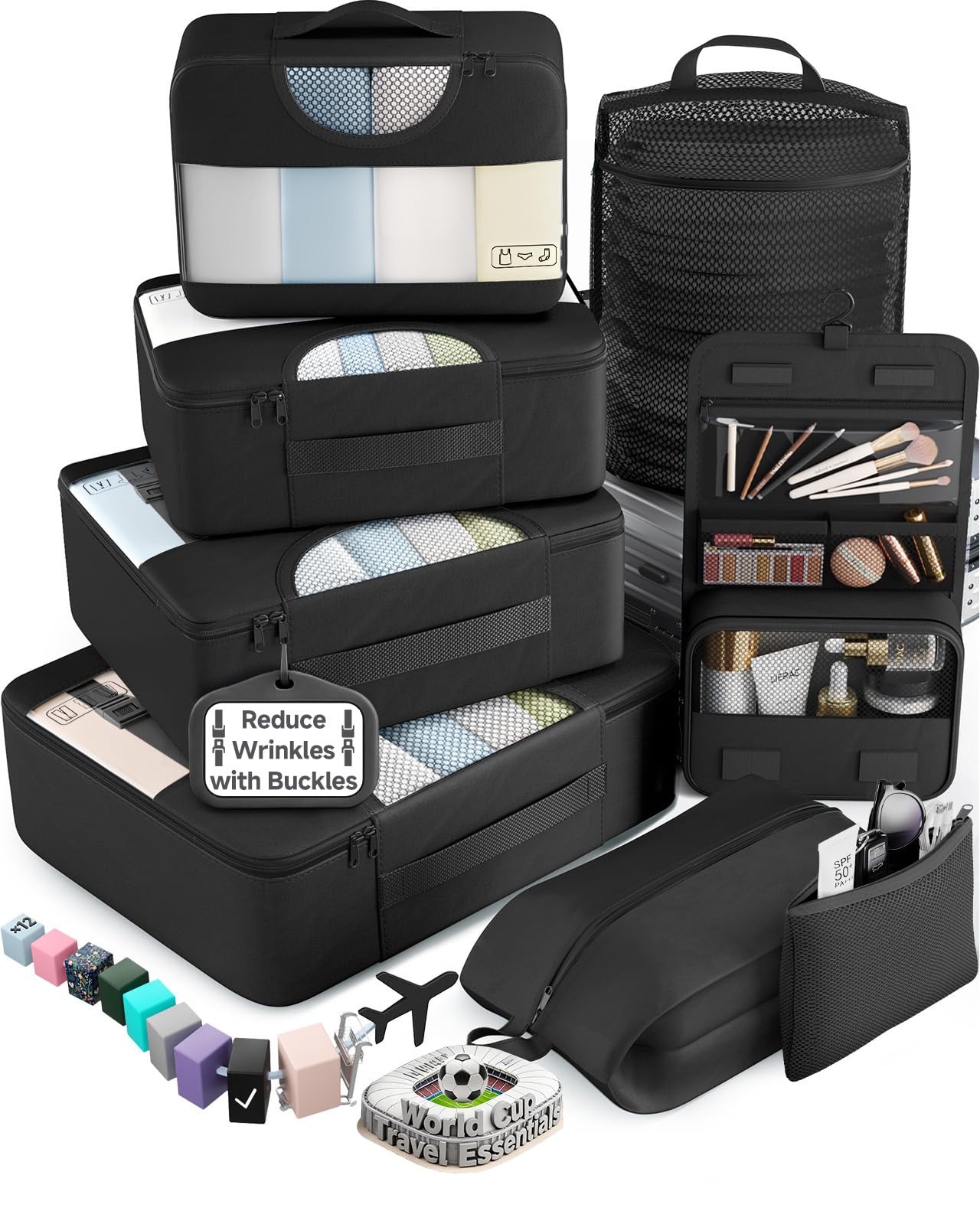 Veken 8-Set Packing Cubes for Travel
on Amazon
 Tan Leather Trolley Bag 44L
$240.00
 Traveler Weekender Duffle
$120.00
 Walker Leather Weekender Bag
$130.00
Ad
 Ringsun Genuine Leather Luggage Tags (2-Pack)
on Amazon
 Nocona Hiker Men's Belt
$42.00
 Waterline Braided Belt
$35.00
 Teddy Cattleman Cowboy Hat
$156.00
Ad
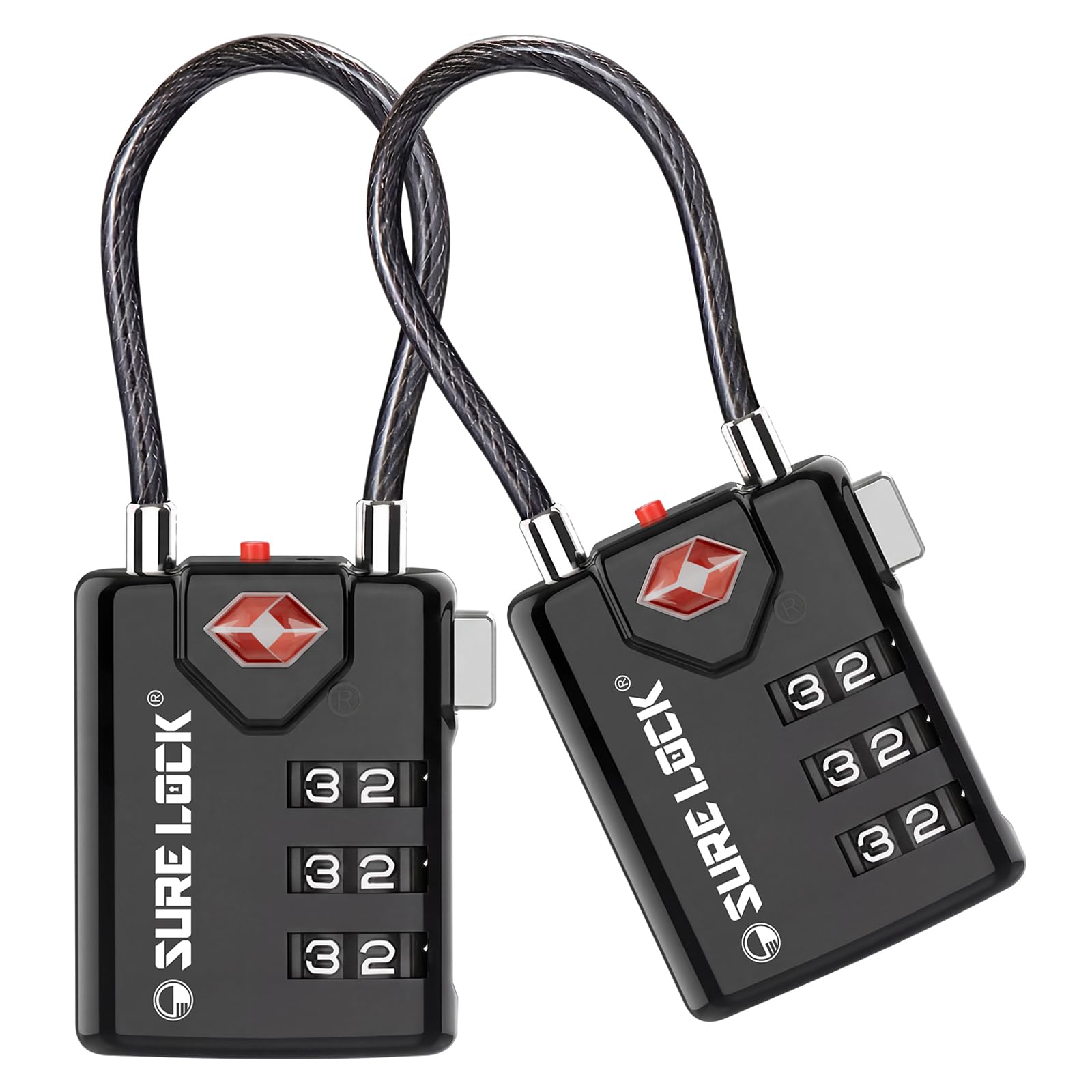 SURE LOCK TSA-Approved Luggage Locks (2-Pack)
on Amazon
 The Sierra Satchel
$59.99