
By Ines Keane
Red clay lies close to the surface in this part of the North Carolina Piedmont, and the settlers who first dug into it knew what it was good for. In 2005 the state legislature formally recognized the Seagrove area as the birthplace of North Carolina traditional pottery and dated the craft here to about 1750. The area spills across parts of four counties: Randolph, Chatham, Moore and Montgomery. State materials describe it as the longest continual history of pottery making in the United States, which is the state’s claim, and a hard one to argue with once you see how many families have stayed.
Seagrove itself is small. A crossroads, a pottery center, a stretch of country road. The studios are strung out along the quiet roads around it, and that is where the work happens.
Plain pots first
The earliest wares were plain and made to be used. Seven European families settled within a ten-mile radius of one another near what is now Seagrove, according to the state’s overview of North Carolina pottery. They worked local clay into redware, which fires to a reddish orange, and by the 1800s most had moved on to salt-glazed stoneware. Jugs, jars, crocks, churns: the storage and cooking vessels of a farming country. The glazes were lead, wood ash or salt, and the kilns burned wood.
Some of the early shops grew into mail-order businesses. Cole, Rainbow and North State potteries published catalogs that carried Seagrove ware across the eastern United States, the state’s encyclopedia notes. Seagrove ware also sold at the resort town of Pinehurst, which the Folk Art Society of America credits with helping it reach collectors.
The Busbee years
The craft changed direction in the early 1920s. Jacques and Juliana Busbee left Raleigh and started Jugtown Pottery near Seagrove. They hired local potters, among them Ben Owen and Charlie Teague, to turn the ware, and Juliana sold it from a shop in Greenwich Village. Pots that had been kitchen goods started to be collected. The Busbees wanted shape and color as well as usefulness, and Owen proved good at adapting forms and glazes from elsewhere to North Carolina clay. A blue glaze from this period became the most sought-after finish in Seagrove, and Jugtown still makes its signature blue at the same location, according to the regional pottery trail.
Jugtown works on Busbee Road. The site has its original log cabins, a working studio and a museum, and it is listed on the National Register of Historic Places, as Garden & Gun reports in its guide to the area.
Who is still at it
Original Owens Pottery, near Seagrove, is described as the oldest continuously operating pottery in North Carolina. It is known for Owens Red, a high-fired scarlet glaze. Garden & Gun points visitors to Crystal King, a sixth-generation potter who makes traditional Southern face jugs, and to Ben Owen III, whose studio is known for red and turquoise glazes. Dorothy Cole and Walter Auman opened Seagrove Pottery in 1953 and started the Seagrove Potters Museum in 1969, according to the state’s heritage page.
How many studios are there? Depends who counts. In the early 2000s the state’s encyclopedia put it at more than 70 pottery shops in the Seagrove area, and said only a handful of potters still worked in the traditional folk manner. The regional pottery trail now says there are more than 100 working studios. Different sources, different years, neither a census. Call it a lot, and plan to see only some of them.
Planning a loop
These are working studios, mostly small and independent, so hours vary. Check before you drive out. The Seagrove Pottery Festival has run since 1982. The state’s heritage page describes it as a two-day event with more than 120 potters, and dates change from year to year, so confirm the weekend before you book anything.
At each stop, ask how the piece was fired. Wood-firing, alkaline glaze and salt glaze are the regional signatures, according to the trail association. Pick the pieces up. Turn them over. Look at the foot, where the clay shows.
Where Sephari fits
We follow places like this first and build shelves second. Roam first. Shop later. If you make things in a region with a story like Seagrove’s and want to be considered, the path is /sell-with-sephari/.
Shop Sephari Picks
As an Amazon Associate we earn from qualifying purchases. Some items below are sponsored affiliate products.
 Wanderer Leather Trolley Suitcase
$350.00
 Leather Carry-On Trolley Bag
$499.00
 The Peterson Leather Duffle
$140.00
Ad
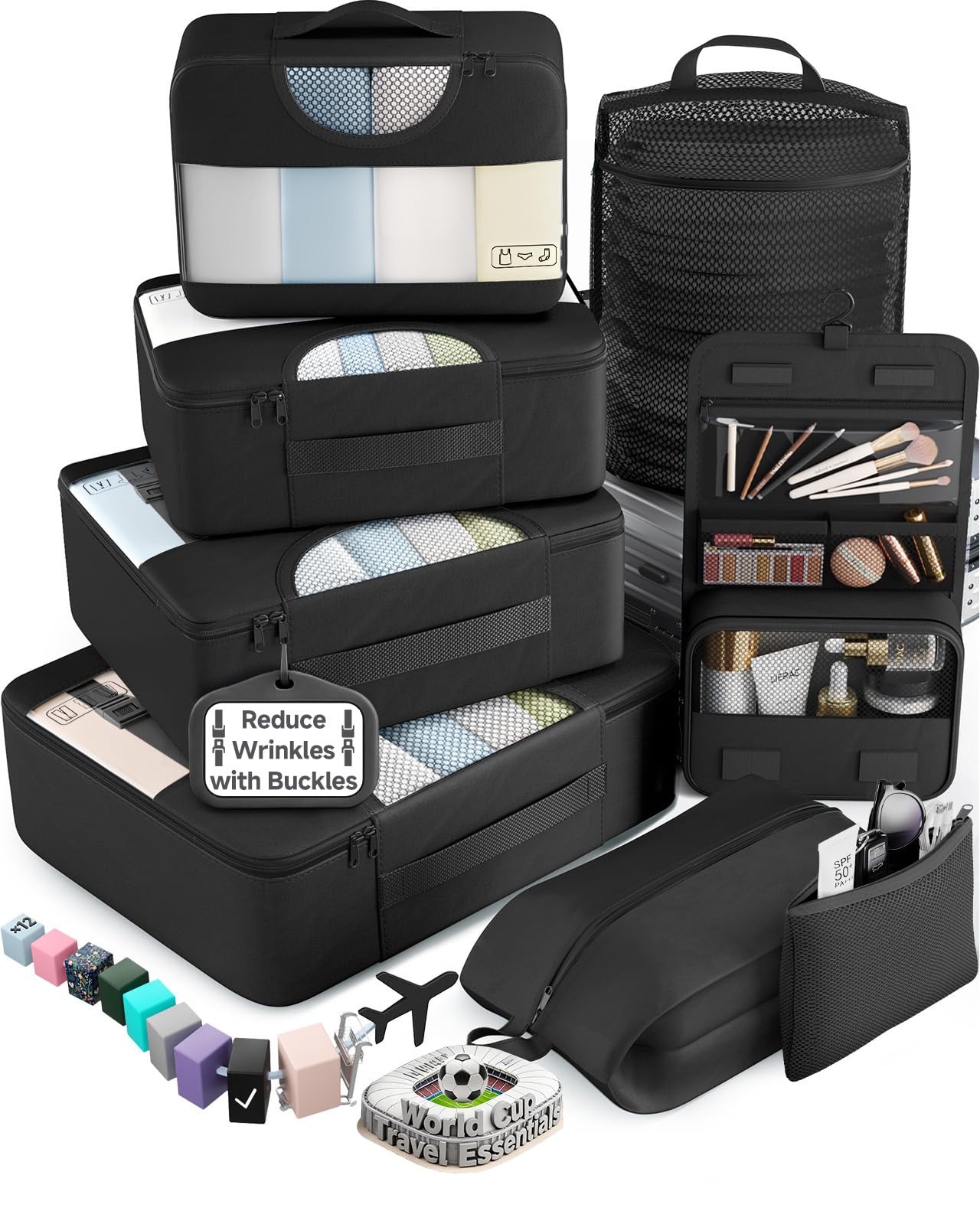 Veken 8-Set Packing Cubes for Travel
on Amazon
 Tan Leather Trolley Bag 44L
$240.00
 Traveler Weekender Duffle
$120.00
 Walker Leather Weekender Bag
$130.00
Ad
 Ringsun Genuine Leather Luggage Tags (2-Pack)
on Amazon
 Nocona Hiker Men's Belt
$42.00
 Waterline Braided Belt
$35.00
 Teddy Cattleman Cowboy Hat
$156.00
Ad
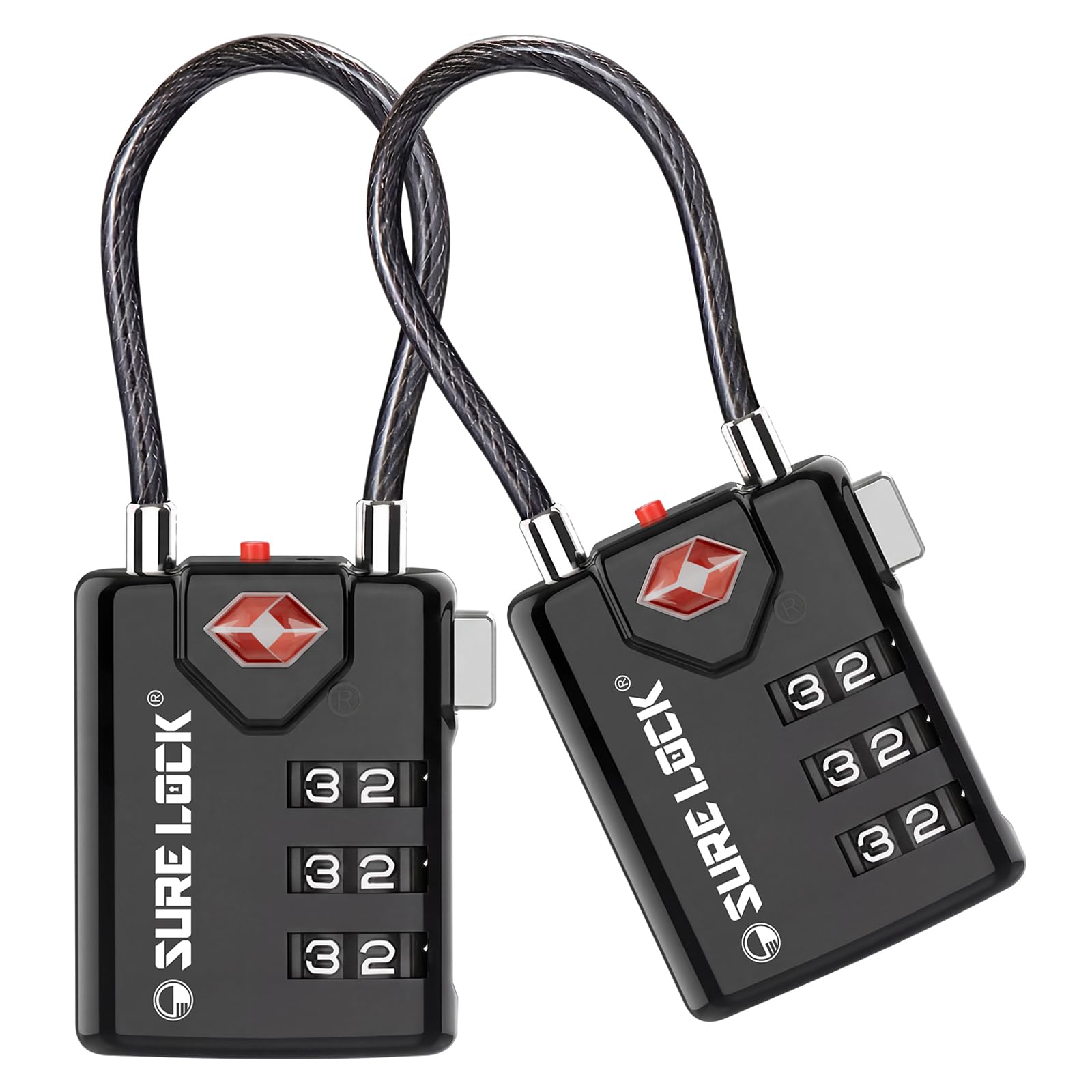 SURE LOCK TSA-Approved Luggage Locks (2-Pack)
on Amazon
 The Sierra Satchel
$59.99