
Some places are best understood through what sits on the table there. In Río Blanco Tonaltepec, a small community in the Mixteca de Oaxaca, that is clay. The community’s makers describe themselves as heirs to a potter tradition reaching back some four thousand years. None of it is staged for a gallery. It is everyday table and kitchen ware, and it reaches people through Cooperativa 1050°, also called 1050 grados.
The cooperative is a geography of its own. In 2019, after roughly a decade of working together, artisans from more than seven communities across Oaxaca, Puebla, and Chiapas formed it. By their own description they are fourteen socias representing more than fifty alfareras and alfareros, and they are part of the nonprofit Innovando la Tradición. They describe their work as clay objects “of elegant simplicity, born of fire.”
In Tonaltepec that fire leaves a visible mark. The makers call the surface tradition barro salpicado, and it is made with vegetable pigments. The speckled colour comes from a dye made from tree bark, applied to pieces fresh from the kiln. The colour records a moment in the process: ware still hot, pigment from the land around it.
The smallest way into the tradition is the Azucarera Placida, a sugar bowl of about 150 ml from the community’s Azucareras line, credited to maestra alfarera Demetria Cruz. It is a modest everyday form, and that is the point.
The larger form tells the landscape’s story more directly. The Jarra Pulque grande Pinto has spout forms inspired by the extraction of pulque from maguey, an old practice in the Mixteca. The grande holds about 2.2 litres (a smaller chica holds about 1.4). It comes from the community’s Jarras line, made under Demetria Cruz and the Comunidad Alfarera de Aprendizaje. The jar’s shape follows a way of living with the agave.
These pieces are meant to be used. The makers’ own care notes say both are lead-free and safe to eat and drink from, and that texture, colour, and shine change with use. At first the clay may sudar, or sweat. The makers’ cure is to submerge the piece for 24 hours, then wash and dry it. After that, keep water-holding times short and wash by hand. It is kitchen language from the people who made them.
The cooperative sells its work in Mexico through its own site, 1050grados.com. For more on the people and places behind the clay we follow, read Behind the Pieces.
Roam first. Shop later.
Like what you see here?
Browse our curated collection of travel-ready gear and accessories, vetted and ready to ship.
Shop Curated Travel Finds →Shop Sephari Picks
As an Amazon Associate we earn from qualifying purchases. Some items below are sponsored affiliate products.
 Wanderer Leather Trolley Suitcase
$350.00
 Leather Carry-On Trolley Bag
$499.00
 The Peterson Leather Duffle
$140.00
Ad
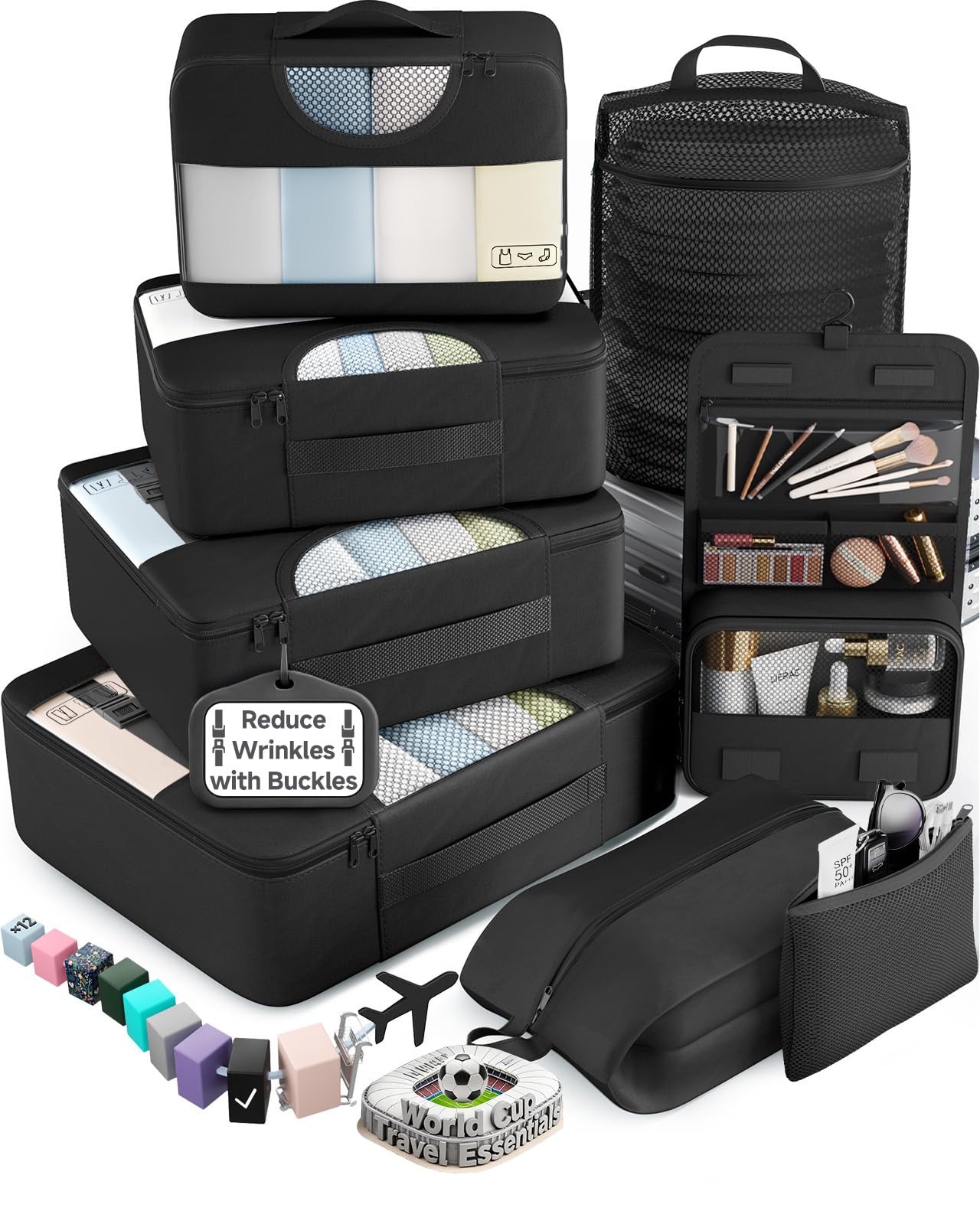 Veken 8-Set Packing Cubes for Travel
on Amazon
 Tan Leather Trolley Bag 44L
$240.00
 Traveler Weekender Duffle
$120.00
 Walker Leather Weekender Bag
$130.00
Ad
 Ringsun Genuine Leather Luggage Tags (2-Pack)
on Amazon
 Nocona Hiker Men's Belt
$42.00
 Waterline Braided Belt
$35.00
 Teddy Cattleman Cowboy Hat
$156.00
Ad
 SURE LOCK TSA-Approved Luggage Locks (2-Pack)
on Amazon
 The Sierra Satchel
$59.99