
Affiliate disclosure: Sephari participates in the Amazon Associates program. If you buy through an Amazon link on this page, we may earn a commission at no extra cost to you. Pieces sold on shop.sephari.com are pieces we chose from partner workshops and makers we trust.
Pick up a piece of real Mexican clay work and you can feel it before you even look closely. It has weight. A faint unevenness under your thumb. A glaze that catches light a little differently in every spot. Pick up a mass-produced imitation and it feels like what it is: uniform, light, printed rather than painted. Both can look similar in a product photo. They are not the same object.
What traditional Talavera actually is
Talavera is not a color scheme. It is not a floral pattern you can print onto anything. In Mexico it is a protected tin-glazed earthenware tradition, formally called Talavera Poblana, that grew in Puebla after Spanish potters brought majolica techniques from Talavera de la Reina in the 1500s. Indigenous clay knowledge, local minerals, and a Mexican decorative language turned that import into something else. By the mid-17th century Puebla had guild rules, quality grades, and a mark system. The so-called golden age ran roughly 1650 to 1750.
In 1995 Mexico granted a Denominación de Origen to Talavera. The protected zone covers the judicial districts of Puebla, Atlixco, Cholula, and Tecali in the state of Puebla. Later updates folded in San Pablo del Monte in Tlaxcala. The Consejo Regulador de la Talavera certifies workshops. Certified pieces are supposed to carry the workshop logo, the potter’s mark, and a hologram. They also go through lab tests, including lead and cadmium leach limits, because a lot of this ware is meant for food.
In 2019 UNESCO put the making process on the Representative List of the Intangible Cultural Heritage of Humanity, jointly with the related Spanish workshops. The file names the same steps: clay prep, forming, decoration, enamels, kiln work. Knowledge still moves master to apprentice, often inside a family shop.
The process is slow on purpose. Traditional accounts describe mixing local clays (often cited as black sand from Amozoc and white sand from Tecali), washing out the coarse stuff, shaping the piece, and leaving it to dry for days. The first firing is commonly given as about 850°C / 1,560°F. Then comes the milky tin glaze, then freehand painting in a limited mineral palette (blue, yellow, black, green, orange, and mauve are the colors the tradition allows), then a second firing that fuses the decoration into the glaze. Fine pieces can take three to four months. Some take longer. A piece can crack at any stage. That risk is part of why certified Talavera costs what it costs.
Uriarte Talavera in Puebla, founded in 1824, is the workshop most often cited as the first to receive official DO certification (they publish it as DO4-1). Other certified names that turn up include Talavera de la Reyna, Talavera Armando, Talavera Celia, and Talavera de la Luz. The count moves as studios pass or fail inspection, so treat any “exactly N workshops” claim as dated.
A single certified Uriarte dinner plate, sold through a U.S. specialty retailer, is not a $20 object. Mediterrania Home lists Uriarte dinner plates around $95 and a five-piece place setting around $414.50, with the artist’s initials, a date, and a DO4 mark. That is the price floor you should have in your head when a marketplace listing promises “authentic Talavera” for the cost of a printed lunch plate.
Talavera-style is not a slur. It is a different craft.
Here is the part most product pages skip. A lot of what is sold online as “Talavera” is not from a certified Puebla workshop. It is handmade Mexican pottery from other regions: Dolores Hidalgo and Guanajuato, workshops in Jalisco, red-clay traditions in Michoacán, painted earthenware that uses related floral language without the legal right to the protected name.
That is not a knock. Michoacán’s barro tradition is older than the Spanish guild system. Capula is known for capulineado, the dotted floral painting still used on kitchen ware. Dolores Hidalgo is a major painted-ceramic center with its own clays and its own look. Calling all of that “Talavera” is sloppy. Calling it handmade Mexican pottery is accurate, and often more interesting.
The Talavera Hub, a maker-side partner behind several of the pieces we’ve chosen, is unusually blunt about this. Their own craft page says they source across Puebla, Atlixco, Cholula, Tecali, San Pablo del Monte, Dolores Hidalgo, Guanajuato, Tonalá, Tlaquepaque, Jalisco, Guerrero, Michoacán, Oaxaca, and other workshop communities. Different forms come from different towns. Product pages often say “Mexico” rather than a single city because the catalog is not one factory.
Sephari’s own Talavera & Mexican Artisan Goods collection follows the same honesty. Titles say “Talavera Style” or “Talavera” the way the trade uses the word, and we should keep tightening that language so a buyer can tell certified Puebla ware from related Mexican clay work. If a listing cannot name a certified workshop and show a hologram, do not pay certified-Talavera prices for it. Do pay handmade-pottery prices if the piece is actually handmade.
The mass-market lookalike is a different problem. Search Amazon for “Talavera dinner plates” and you will hit things like Certified International’s “Talavera” 11-inch plates, recently around $31 for a set of six. Those are melamine. Plastic. A printed floral pattern named after the craft, not the craft. Fine for a picnic. Not what anyone in Puebla means by Talavera.
Who actually makes the pieces we feature
Sephari is a U.S. curating company based in Penryn, California. We do not pretend to be a 200-year-old Puebla taller. We work with Mexican artisan partners and small importers, then sell the pieces with U.S.-based checkout and buyer protection. The strongest own-store category is the Talavera pottery collection, with dinnerware broken out on its own tableware page.
Several dinner plates are co-created with The Talavera Hub and a family partner workshop in Mexico. The listings are specific about process even when they are not specific about a street address, which is typical of a family shop that does not run English-language e-commerce of its own.
Three current pieces, prices checked on shop.sephari.com on 18 August 2026:
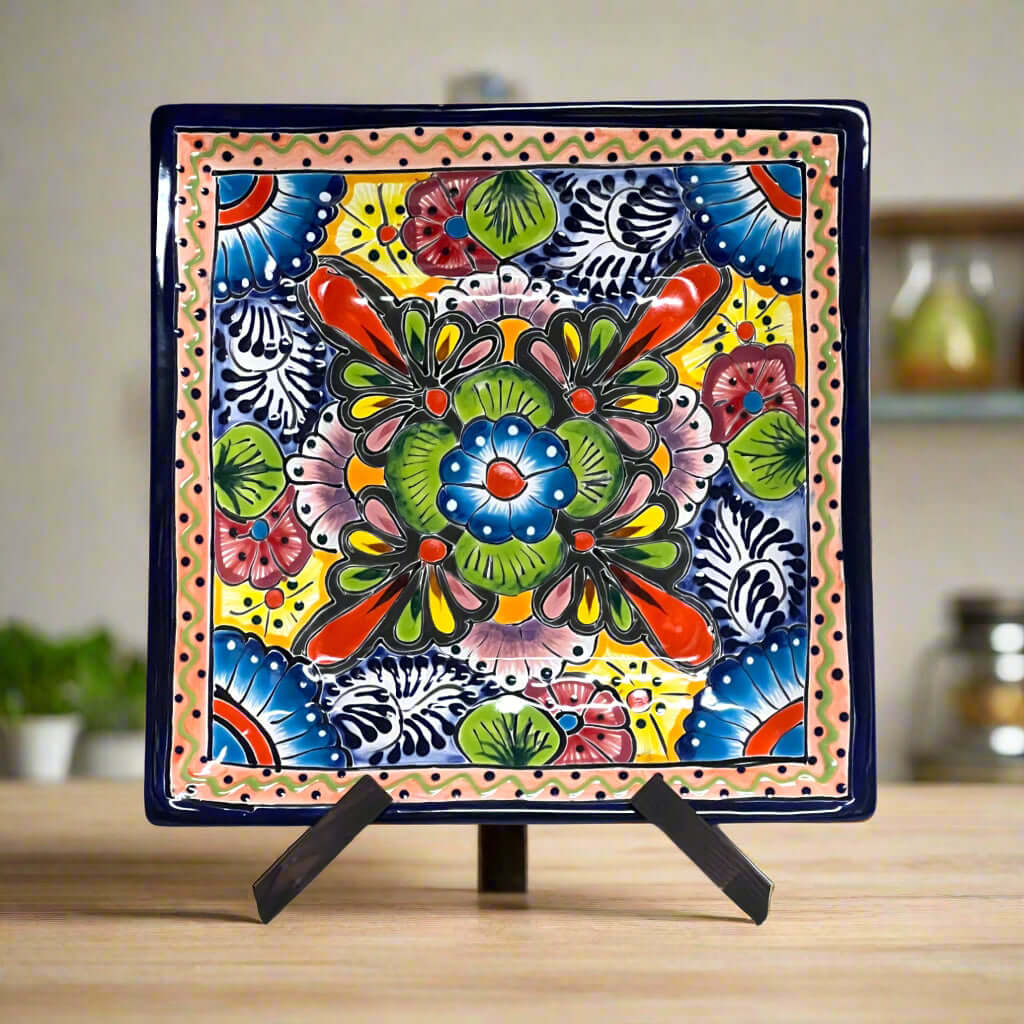
- 11″ Square Talavera Dinner Plate, $35.99. The listing says it was designed with The Talavera Hub, hand-painted and kiln-fired at a family partner workshop in Mexico, and finished with a lead-free glaze. Floral mandala work in blues, greens, and reds. Sold as tableware or wall display. Handmade variation is expected.
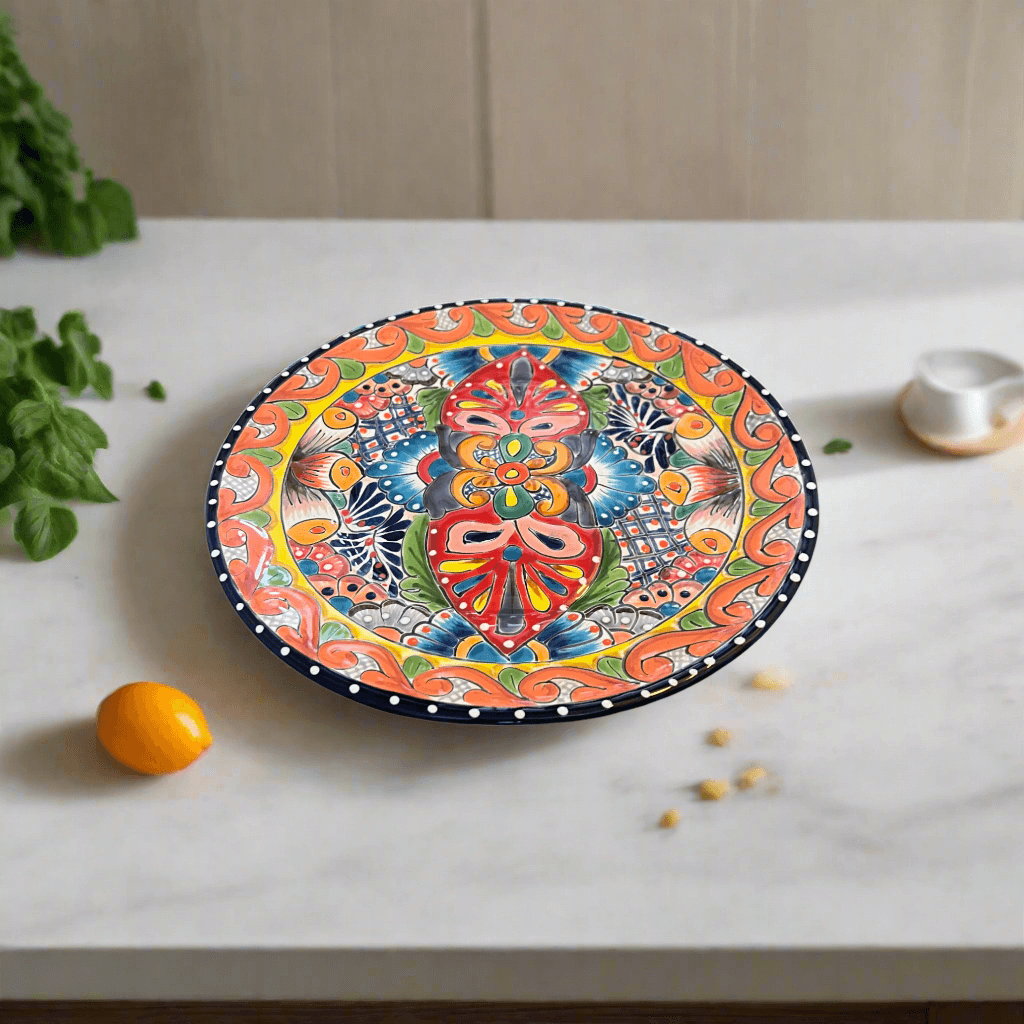
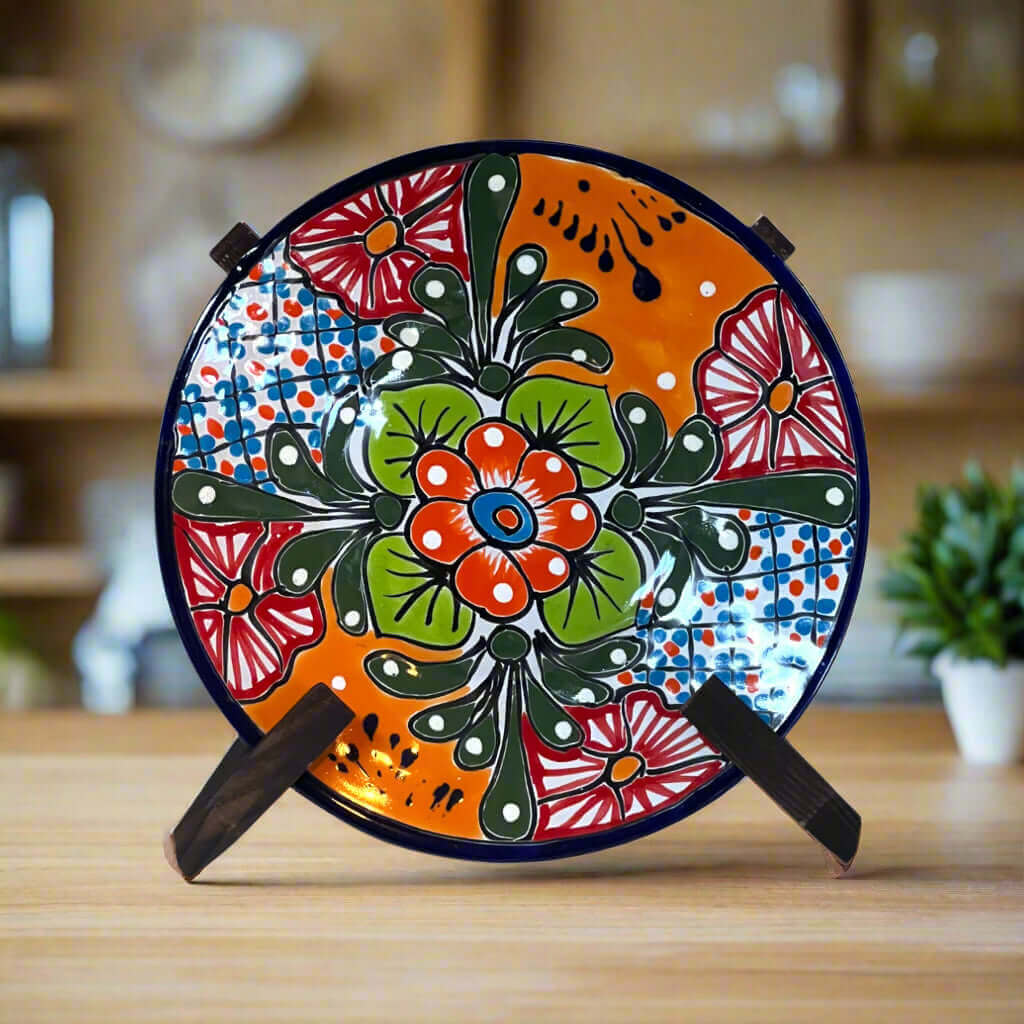
- 10″ Talavera Dinner Plate, $37.99. Same partner note. Red, green, and orange florals on a deep blue dotted border. The listing is honest that the piece is durable and still needs gentle handling, which is the right tone for painted earthenware.
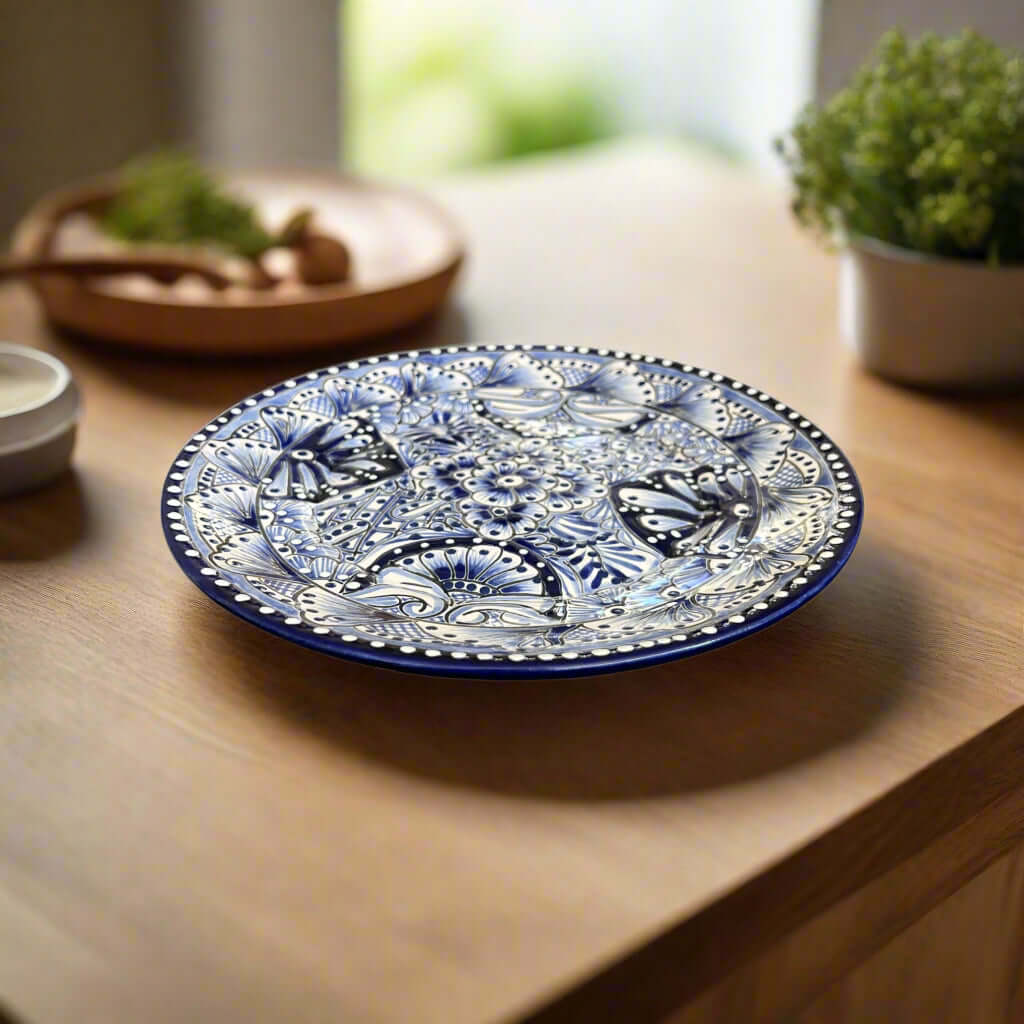
- Handmade Talavera Dinnerware Set, Brown & White, 4-Piece, $89.99. A 10-inch plate, 8-inch plate, 6-inch plate, and matching mug. Brown ground, white floral painting. A reasonable first set if you want to live with the ware before you commit to a service for six.
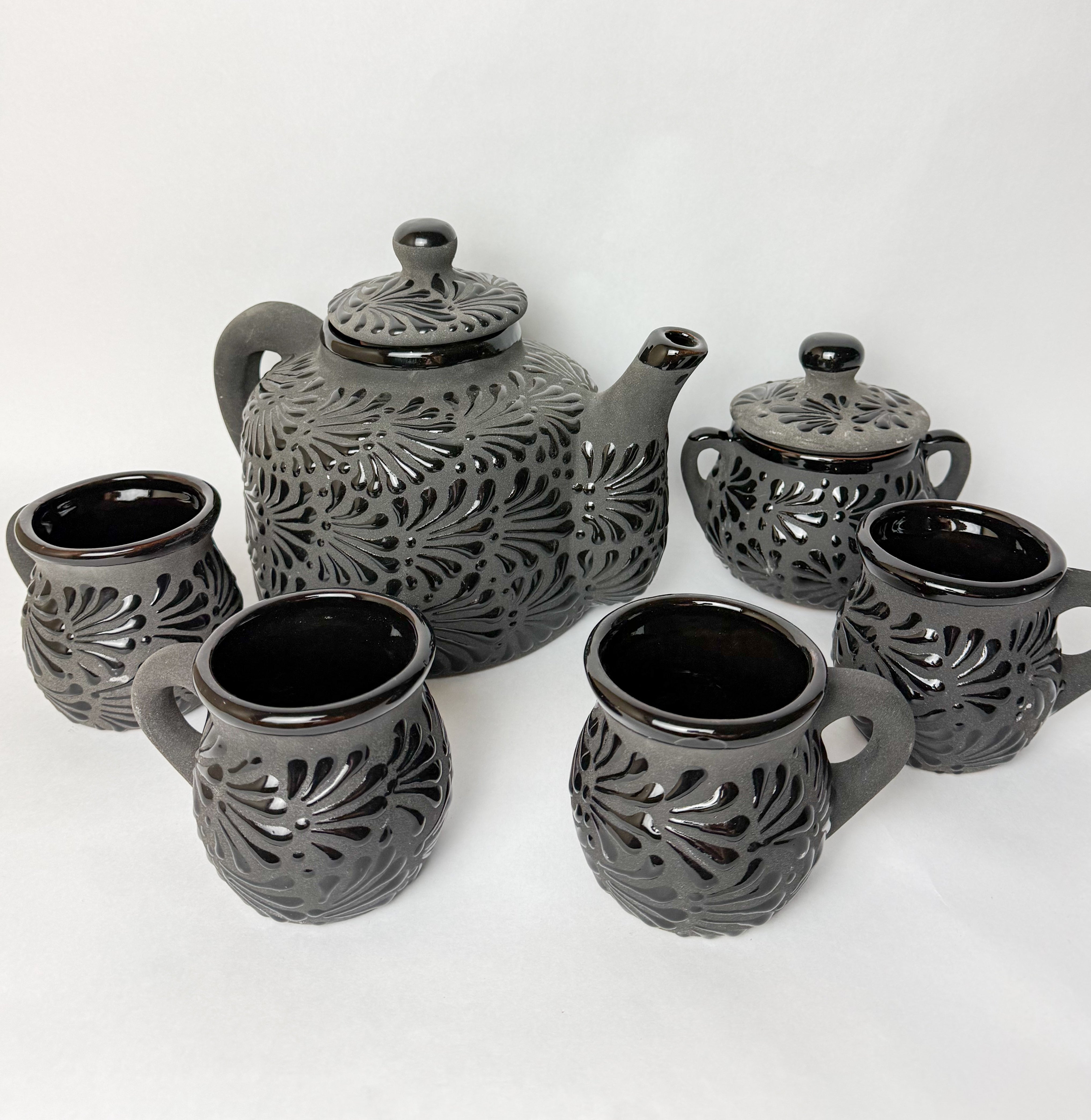
If you want a tea ritual rather than dinner plates, the Mexican Talavera Style Tea Set, 6-piece is $76.99: teapot, sugar jar, four mugs. The title already says “Talavera Style,” which is the right qualifier. A larger painted service, the 30-Piece Talavera Dinnerware Set, is $264.99. Expect color and pattern variation. A machine-printed set would match too perfectly.
We also carry work that is not Talavera at all. The Michoacán Red Clay Pottery Dinnerware Set is $345.99 on the shop. The title says Michoacán; the copy also says Oaxaca. Do not treat origin as settled until an editor confirms it. The set is a functional clay service, a different tradition from Puebla tin-glaze.
Decorative pieces sit next to the tableware. The Talavera Sombrero Planter is $39.99 and the listing is clear it is for display. Alebrije figurines on the same collection are folk sculpture, not dinnerware.
Quality signals that survive a product photo
Photos flatten pottery. These are the checks that still work when you cannot pick the piece up in a market.
Weight. Hand-formed, kiln-fired clay of a given size is heavier than a slip-cast tourist copy or a printed porcelain lookalike. Fine porcelain is the exception (thin and still strong). For Talavera-style earthenware and barro, unexpected lightness is a reason to ask more questions.
The painting. Freehand work has small human irregularities: a line that thickens, two flowers that are not clones, a dotted border that is not mechanically spaced. A pattern that repeats with printer-perfect edges, especially if every plate in a set is identical, is usually a decal under a clear glaze. That can still be a decent factory plate. It is not what you are paying artisan prices for.
The glaze. A tin-white Talavera ground is milky, not stark hotel-white, and the painted color sits slightly in the glaze rather than on top of it like a sticker. Tiny pinholes, a thicker pool of color in a corner, a little sheen variation: those are kiln fingerprints. A perfectly even, plastic-looking gloss across a 12-piece set is a different process.
The underside. Certified Puebla workshops mark the base. Many honest family shops mark theirs too, or at least leave an unglazed foot that shows the clay body. No mark is not an automatic fail. A hologram plus workshop logo is the only mark that means “this is legally Talavera.”
Price as information. Hand-forming, drying, painting, and two firings have a cost floor. A full “Talavera” dinner set at supermarket money is telling you how it was made. Plates we’ve featured in the mid-$30s, a four-piece set at $89.99, a six-place painted service around $265: those sit in handmade-Mexican-pottery territory, not certified-Uriarte territory, and not dollar-store territory. That is the band we are actually in.
Food-use claims. Several of our listings say lead-free glaze. That is a supplier claim we take seriously and still treat as something to keep verifying. The FDA has separately warned that some imported Mexican pottery labeled “lead free” still leached extractable lead. “Lead free” on a box is not a lab report. For daily mugs and bowls, buy from a seller who will talk about glaze and intended use, and do not put a decorative planter or a wall plate into the salsa rotation just because it is pretty.
Why a piece like this is worth owning
A well-made clay object earns its keep in ordinary ways, not ceremonial ones.
It is usable. Painted, glazed earthenware from a workshop that fires it properly will take daily meals if you treat the rims with a little respect. That is how these forms survived in Mexican kitchens for centuries. You do not need to lock them in a cabinet.
It is singular. No two plates from the same batch are identical. That is not a slogan. It is the physical result of a person painting this flower on this day. If you wanted clones, factory decals are cheaper and better at cloning.
It keeps a workshop in work. UNESCO’s file is polite about this. The surviving tradition depends on people who still know how to mix clay, run a kiln, and teach the next person. A $36 plate does not fund a master painter’s year. A steady channel of orders, with a U.S. seller eating the customer-service risk, is closer to useful.
If you want the technical side (clay bodies, crazing, chip paths, dishwasher reality), that is a separate guide: How to Choose Quality Clay & Ceramic Tableware That Actually Lasts.
How we choose
Sephari is not an open marketplace. Nobody can upload a listing and vanish. The filter is simple, and we apply it in this order.
1. Can we name a making tradition, not just a vibe? “Talavera-style, painted in Mexico, family workshop, kiln-fired” is a start. “Boho Mexican aesthetic” is not. If a partner cannot tell us whether a piece is barro, painted earthenware, or certified Talavera, we do not borrow the most expensive word.
2. Is the glaze appropriate for the use? Food-use pieces need a seller who will say food-use, and a glaze claim we can stand behind. Decorative planters, sombrero pots, and alebrijes get labeled as decorative. Mixing those categories is how people end up serving lime juice from a garden fountain.
3. Does the object look handmade under a boring light? We look at brushwork, foot rings, weight, and whether a set is allowed to vary. Perfect clones at artisan prices are a pass.
4. Can we stand behind the shipment? Clay breaks. That is not a moral failing. It is physics. Shop listings for these pieces promise secure packing and a make-good if something arrives damaged. The brand promise is the same one on our About page: U.S.-based support, a real person, not a ticket maze. “Shop the World. Ship With Trust” only works if the second sentence is operational.
5. Would we put it in a house we actually live in? We run a small working farm in Penryn. That is why we are biased toward pieces that survive real use: a mug on a porch rail, a plate that can take a Tuesday taco.
What we do not do: take a factory decal, write a 400-word origin story, and call it curated. Honest sourcing means a maker or a small importer we can reach.
The same test applies outside clay. Global Artisan Finds is the wider shelf: carved trays, woven textiles, other objects that still show a hand. Alebrijes on the Talavera collection stay labeled as painted sculpture. We do not call them Talavera.
If you want to bring one piece home
Start smaller than a 30-piece service unless you already know you like living with painted clay. A single 11-inch square plate or the brown-and-white four-piece set will tell you more in a week of actual meals than any essay will.
Browse the full Talavera & Mexican Artisan Goods collection when you want the wider bench: tea sets, barro, planters, figurines. The editorial doorway on sephari.com is Talavera & Mexican Artisan Goods. For plates and bowls only, use the dinnerware collection.
If you specifically want certified Puebla Talavera with a hologram, shop a certified taller or a specialist that names the workshop. We are not going to pretend a $36 partner-workshop plate is a $95 Uriarte. We are going to keep saying which is which, keep the U.S. packing and support in place, and keep buying from people who still have clay under their nails. UK readers sourcing the same way should read our sister site’s guide to genuine craftsman goods worth the import, which covers the same authenticity questions for UK-landed pieces.
That is the whole job. Find the piece. Tell the truth about who made it. Get it to you in one piece.
Independent maker or small workshop yourself? We are always looking for new partners whose work fits this same standard — see how the relationship works on our Sell with Sephari page.
Like what you see here?
Browse our curated collection of travel-ready gear and accessories, vetted and ready to ship.
Shop Curated Travel Finds →Shop Sephari Picks
As an Amazon Associate we earn from qualifying purchases. Some items below are sponsored affiliate products.
 Wanderer Leather Trolley Suitcase
$350.00
Wanderer Leather Trolley Suitcase
$350.00
 Leather Carry-On Trolley Bag
$499.00
Leather Carry-On Trolley Bag
$499.00
 The Peterson Leather Duffle
$140.00
Ad
The Peterson Leather Duffle
$140.00
Ad
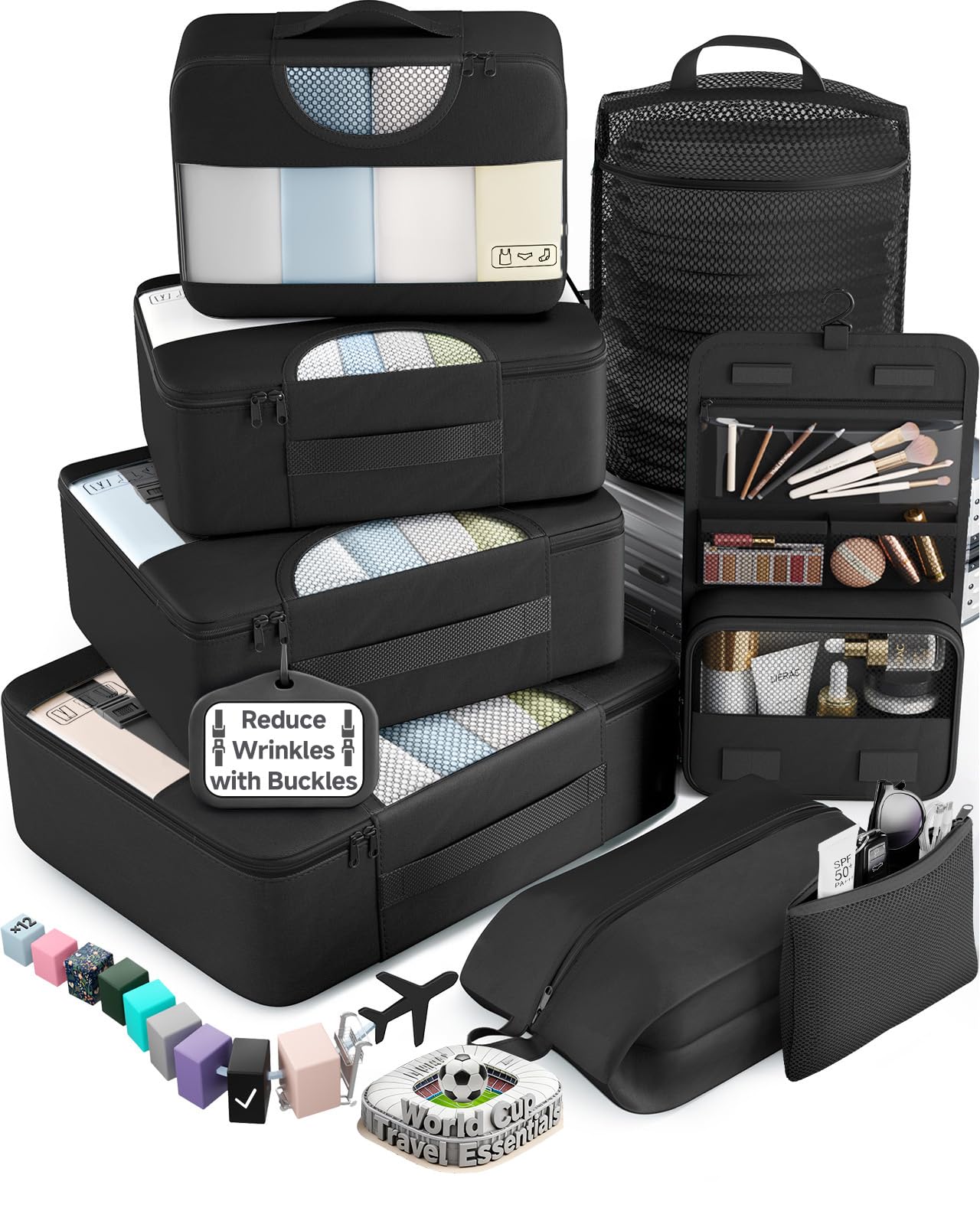 Veken 8-Set Packing Cubes for Travel
on Amazon
Veken 8-Set Packing Cubes for Travel
on Amazon
 Tan Leather Trolley Bag 44L
$240.00
Tan Leather Trolley Bag 44L
$240.00
 Traveler Weekender Duffle
$120.00
Traveler Weekender Duffle
$120.00
 Walker Leather Weekender Bag
$130.00
Ad
Walker Leather Weekender Bag
$130.00
Ad
 Ringsun Genuine Leather Luggage Tags (2-Pack)
on Amazon
Ringsun Genuine Leather Luggage Tags (2-Pack)
on Amazon
 Nocona Hiker Men's Belt
$42.00
Nocona Hiker Men's Belt
$42.00
 Waterline Braided Belt
$35.00
Waterline Braided Belt
$35.00
 Teddy Cattleman Cowboy Hat
$156.00
Ad
Teddy Cattleman Cowboy Hat
$156.00
Ad
 SURE LOCK TSA-Approved Luggage Locks (2-Pack)
on Amazon
SURE LOCK TSA-Approved Luggage Locks (2-Pack)
on Amazon
 The Sierra Satchel
$59.99
The Sierra Satchel
$59.99