
By Isla Quinn
Start with the sound. A steel wagon on a sidewalk is a clatter. The body is the whole story, and it began as wood.
A cabinetmaker’s son from near Venice
According to Smithsonian magazine, Antonio Pasin was born in 1898 near Venice and left for America at 16, after his family sold their mule to pay for the trip. His family were cabinetmakers. He settled in Chicago, took odd jobs and saved for woodworking equipment.
By 1917, the magazine says, he had a one-room workshop. He built phonograph cabinets and sturdy wooden wagons, and the wagons soon outsold the cabinets. The public broadcaster WTTW adds that he used a wagon to move tools around his own workshop.
Names
The first name was Liberty Coaster, which Smithsonian magazine calls a nod to the Statue of Liberty.
For the second name, Smithsonian magazine says he renamed the wagon Radio Flyer because radios and airplanes were what people were excited about. WTTW says the name “just stuck.”
Wood to steel
Smithsonian magazine says he combined automotive assembly-line methods with metal stamping to keep costs low, and that metal wagons were selling by the late 1920s.
The National Museum of American History holds a Radio Flyer wagon dated about 1933, made by Radio Steel & Mfg. Co. in Chicago. Its record lists steel overall and rubber wheels, and a credit line to the Sears, Roebuck and Co. Collection of American Toys. The record gives no narrative and the wagon is not on display.
Red
WTTW says red sold best and became the company’s signature color. Smithsonian magazine says the little red wagon became an American icon in the 1950s, when the company promoted it as a hardy American toy.
The 1933 fair
Smithsonian magazine puts Pasin at the 1933 Chicago world’s fair, Century of Progress, with a 45-foot “Coaster Boy” statue of a boy in a wagon. The magazine adds a kiosk selling miniature steel wagons, with more than 100,000 sold, and a mini assembly line.
The Chicago History Museum describes a different wagon from the same exposition years: the Streak-O-Lite Zephyr, made in the early 1930s and inspired by the Burlington Zephyr train. It debuted at the 1934 exposition. It was built to resemble new cars, with a dashboard and beacon lights, and was sold in the Sears, Roebuck catalog for 1935 and 1936.
Depression, then the long middle
Smithsonian magazine says the company struggled but survived the Great Depression, selling around 1,500 wagons a day even at the bottom of the downturn.
After the founder
Pasin died in 1990, according to Smithsonian magazine, which gives his age as 93. The magazine says the first plastic wagons came after the company faltered in the early 1990s.
Dates in order
- 1898: Pasin born near Venice, according to Smithsonian magazine.
- 1917: one-room workshop; wooden wagons.
- \- Late 1920s: metal wagons selling, according to Smithsonian magazine.
- 1933: Coaster Boy at the Chicago world’s fair.
- 1990: Pasin dies.
Side by side
| Question | Smithsonian magazine | Wikipedia | Chicago History Museum |
|---|---|---|---|
| Steel switch | Late 1920s | 1927 | Not stated |
| Name Radio Flyer | Renamed from Liberty Coaster | Steel wagons named 1927; company named 1987 | Not stated |
| Plastic wagons | After early 1990s trouble | 2002 | Not stated |
| Fair | 1933, statue and kiosk | 1933, statue | Streak-O-Lite, 1934 |
What kind of sources these are
A national magazine published by a museum, a public broadcaster’s local news site, a national museum’s collection record and a city history museum’s page. No company history page loaded, so the story comes from outside the maker.
What we left out
Prices and loan sums, sales figures beyond the two the magazine gives, the product line and any claim about where today’s wagons are made, because the pages we loaded do not settle it.
Quick answers
When did Radio Flyer start? According to Smithsonian magazine, in 1917, when Antonio Pasin was building wooden wagons in a one-room Chicago workshop.
When did Radio Flyer wagons become steel? Smithsonian magazine says metal wagons were selling by the late 1920s, built with stamping and assembly-line methods.
Who made the 45-foot boy at the 1933 fair? Smithsonian magazine says Pasin built the “Coaster Boy” for the Century of Progress exposition in Chicago.
Related on this site: frankenmuth-michigan-little-bavaria-christmas, maine-balsam-fir-wreaths-tips-and-timing, red-wing-stoneware-crocks-salt-glaze-history
Roam first. Shop later.
Shop Sephari Picks
As an Amazon Associate we earn from qualifying purchases. Some items below are sponsored affiliate products.
 Wanderer Leather Trolley Suitcase
$350.00
 Leather Carry-On Trolley Bag
$499.00
 The Peterson Leather Duffle
$140.00
Ad
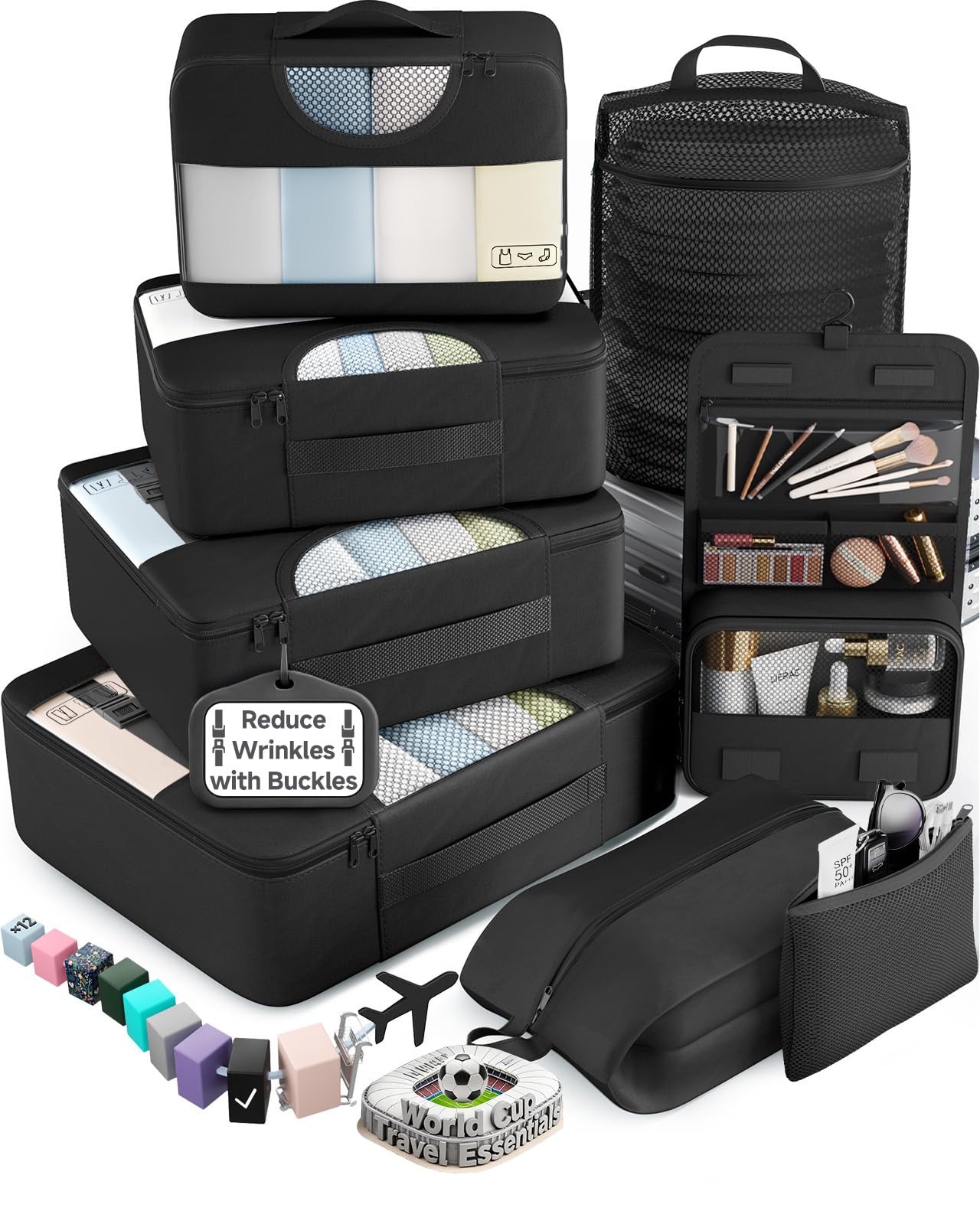 Veken 8-Set Packing Cubes for Travel
on Amazon
 Tan Leather Trolley Bag 44L
$240.00
 Traveler Weekender Duffle
$120.00
 Walker Leather Weekender Bag
$130.00
Ad
 Ringsun Genuine Leather Luggage Tags (2-Pack)
on Amazon
 Nocona Hiker Men's Belt
$42.00
 Waterline Braided Belt
$35.00
 Teddy Cattleman Cowboy Hat
$156.00
Ad
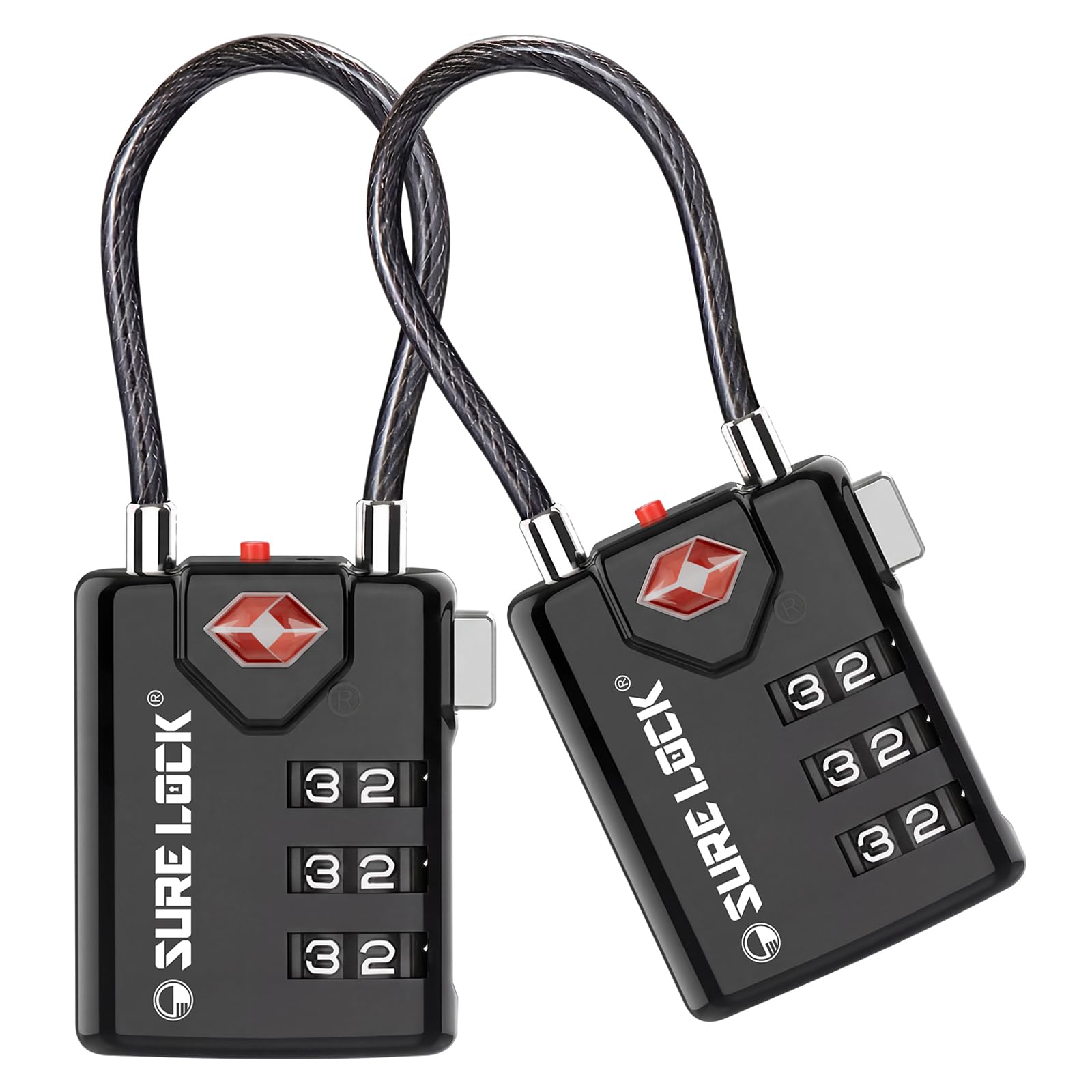 SURE LOCK TSA-Approved Luggage Locks (2-Pack)
on Amazon
 The Sierra Satchel
$59.99