
By Porter Lang
A handmade mug is an easy gift. It is also a piece of fired clay with a glass-like coating, and the coating is where the question sits. This page repeats what the U.S. Food and Drug Administration states on its own pages, and credits the FDA each time. It is not a lab test and it does not replace one.
Why lead is in some glazes at all
The FDA’s question-and-answer page on lead-glazed traditional pottery says some glazes contain lead because it helps the glaze particles melt, and that the glaze fuses to the clay during kiln firing. Properly fired pottery keeps essentially all of the lead bound in the glaze, according to the page. If the piece is not fired correctly, the lead may not fuse, and it can leach into food and drink.
Which pieces the FDA singles out
The FDA page lists what it calls problem types:
- Handmade pottery with a crude appearance or irregular shape
- Antique pieces
- Damaged or excessively worn pieces
- Items from flea markets or street vendors, or from manufacturers you cannot confirm
- Bright orange, red or yellow decoration, where lead is often used to intensify pigments
It adds that commercial factory pottery made for everyday use is much less likely to pose problems.
Why “lead free” is not the end of it
The FDA page says some potters have switched to non-lead glazes, but that old kilns can leave lead residue that contaminates “lead free” pottery. It reports that pottery labeled “lead free” has contained extractable lead, sometimes above FDA action levels.
The FDA’s guidance document, dated November 2010 and described as non-binding, goes further. It says ceramicware that contains extractable lead, as tested under the agency’s method, “should not be labeled as ‘Lead Free,'” and that FDA may consider such a label false and misleading. It recommends that makers of non-lead-glazed pottery work in a separate building from lead-glazed items and test for lead after kiln modifications or cleanup. The guidance gives no numeric limits in the text we read; it refers to a Compliance Policy Guide for action levels.
What a “not for food use” stamp has to look like
Under the regulation cited in the guidance, 21 CFR 109.16, ceramicware that looks suitable for food is treated as food-use unless it has two things: a conspicuous stick-on label on a surface visible to consumers, and a conspicuous, legible, permanent statement on the exterior of the base. The guidance says FDA has received reports of pottery marked “not for food use” only on a removable sticker or on the packaging, not on the item itself, and warns this can be hazardous.
The Q&A page gives an example of a stamp on a decorative-only piece: “Not for Food Use—May Poison Food.” It says not to use pieces marked that way for food or drink.
What the FDA tells a shopper to do
- Test with lead-testing swabs sold in hardware stores or online. If a swab shows leachable lead, the FDA strongly advises against using the piece for food or drink.
- If you cannot test the piece or confirm the manufacturer, consider not using it for food or drink.
- Do not count on washing or boiling. The page says neither removes lead.
- If a child has eaten or drunk from a suspect item, stop using it and ask a healthcare professional about a blood lead test.
\\What the FDA page does not say\\
The FDA page does not say that handmade means unsafe, and it does not say how to read a maker’s glaze from the pot.
We do not name any maker or brand here, and we do not rate any.
Dates in order
- November 2010: the FDA guidance on imported traditional pottery and the term “lead free” is dated, according to the guidance page.
- October 27, 2017: the FDA Q&A page shows as current to this date, according to the page we read.
What kind of sources these are
Two U.S. federal agency pages and a public-radio news site. None is a pottery seller. The news article dates from 2017, as does the federal Q&A page’s currency date, so both may lag current guidance.
What we left out
Health outcomes beyond what the FDA page states, numeric lead limits, test-kit brands, cookware advice, and any statement about imported traditional pottery from a named country.
Quick answers
Is handmade pottery safe to eat from? The FDA lists handmade pottery with a crude appearance among its problem types, but says properly fired pottery keeps essentially all lead bound in the glaze. It advises testing with lead swabs.
Does “lead free” on a label guarantee it? No, according to the FDA. It reports that some pottery labeled “lead free” contained extractable lead, sometimes above FDA action levels.
Does washing remove lead from pottery? The FDA page says washing or boiling cannot remove lead.
\\Related on this site:\\ bethlehem-pennsylvania-christmas-city, maple-syrup-grades-pure-label-guide
Roam first. Shop later.
Shop Sephari Picks
As an Amazon Associate we earn from qualifying purchases. Some items below are sponsored affiliate products.
 Wanderer Leather Trolley Suitcase
$350.00
 Leather Carry-On Trolley Bag
$499.00
 The Peterson Leather Duffle
$140.00
Ad
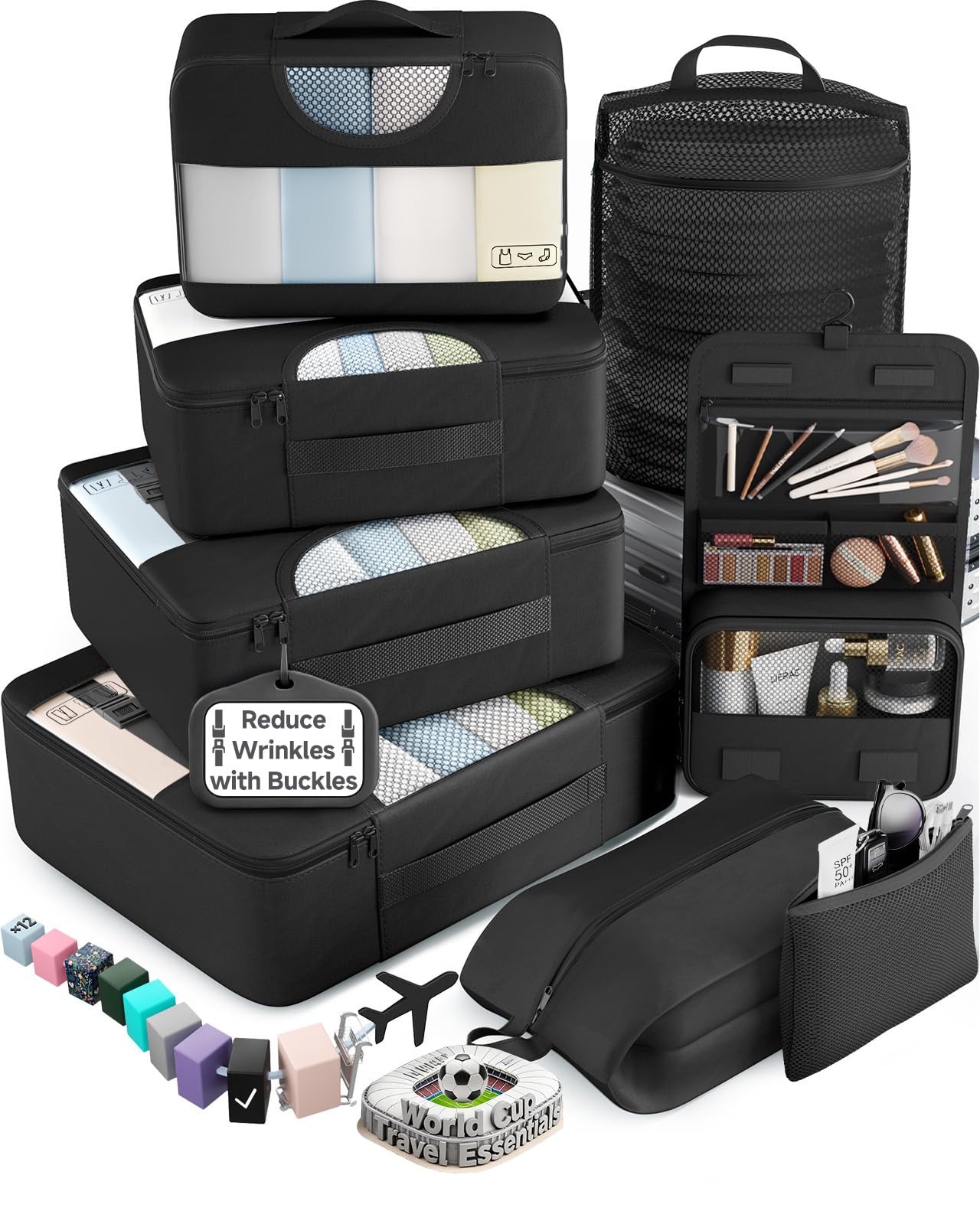 Veken 8-Set Packing Cubes for Travel
on Amazon
 Tan Leather Trolley Bag 44L
$240.00
 Traveler Weekender Duffle
$120.00
 Walker Leather Weekender Bag
$130.00
Ad
 Ringsun Genuine Leather Luggage Tags (2-Pack)
on Amazon
 Nocona Hiker Men's Belt
$42.00
 Waterline Braided Belt
$35.00
 Teddy Cattleman Cowboy Hat
$156.00
Ad
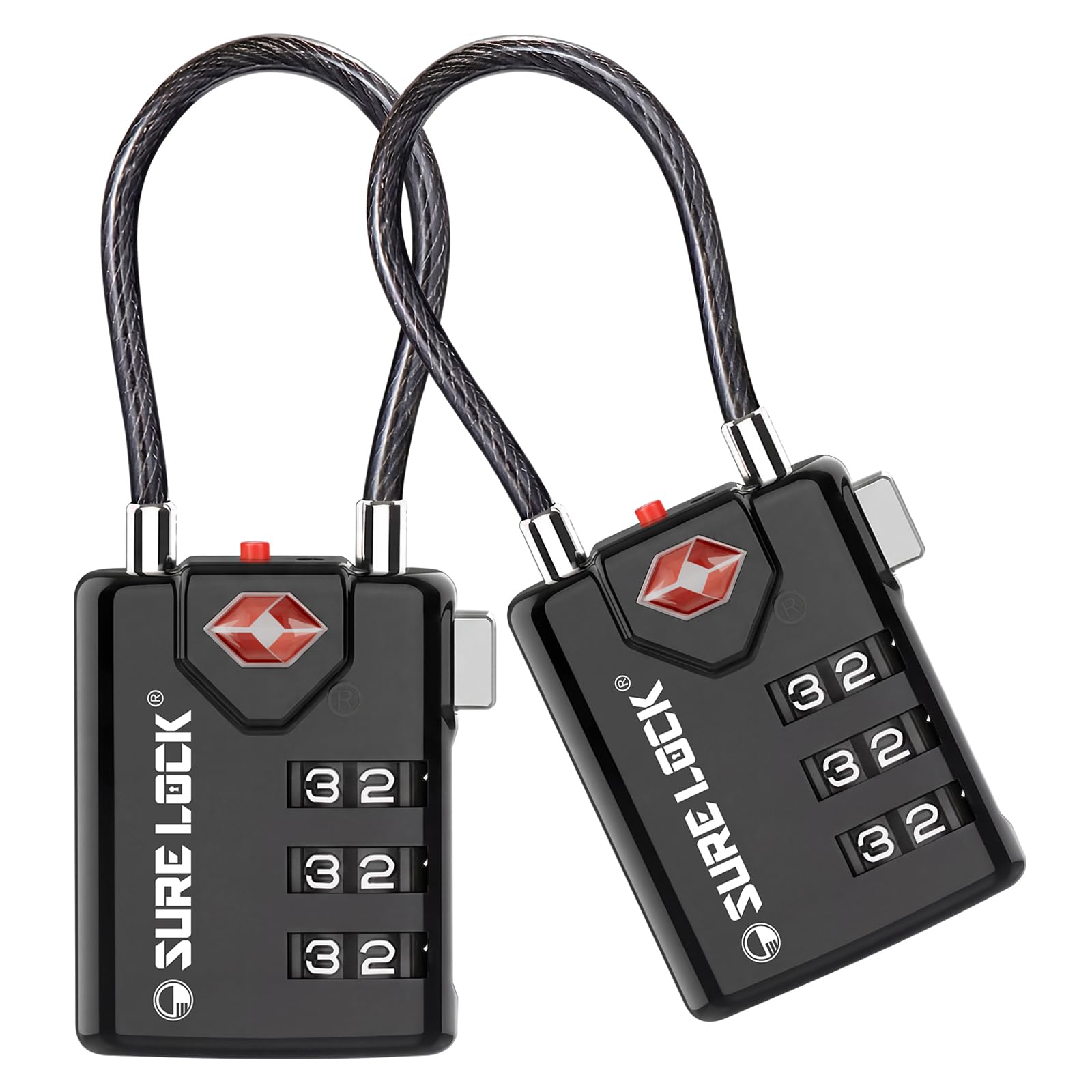 SURE LOCK TSA-Approved Luggage Locks (2-Pack)
on Amazon
 The Sierra Satchel
$59.99