
By Ines Keane
At Thanksgiving, the label on the bird is the one piece of paper most households will read twice. Some of the words on it are defined by a federal agency. Some are not defined at all. A few turn out to be defined by someone else entirely.
Fresh, frozen and “keep refrigerated”
The U.S. Department of Agriculture’s Food Safety and Inspection Service, in its page on meat and poultry labeling terms, says “fresh” poultry must never have been below 26 degrees Fahrenheit, the temperature at which poultry freezes. It should always carry a “keep refrigerated” statement. The page allows individual packages to vary by as much as 1 degree below 26 in inspected establishments, or 2 degrees in commerce. A raw, frozen bird, it says, is at 0 degrees or below.
Our reading: a “fresh” turkey can be very cold and still be allowed to say so. The word fixes a floor on temperature, not a date of slaughter.
Basted and self-basted
Bone-in poultry injected or marinated with a solution must be labeled as basted or self-basted, the page says. The solution is limited to approximately 3 percent before processing, and the label must say “Injected with approximately 3% of a solution of” followed by the ingredients. For boneless poultry the limit is 8 percent of the raw weight.
Natural
“Natural” means no artificial ingredient or added color, and only minimal processing, according to the same page. The label must explain the term, with a statement such as “no artificial ingredients; minimally processed.” Note what it does not say. It describes the product, not how the bird lived.
Hormones, and what a hen or tom means
Hormones are not allowed in raising poultry, the agency says, so a “no hormones added” claim is permitted only with a second statement: “Federal regulations prohibit the use of hormones.” The same page says a turkey’s sex designation, hen or tom, is optional and “is an indication of size rather than the tenderness of a turkey.” It defines a young turkey as a young, immature bird, usually less than 16 weeks of age.
Free range
This is the word people most want to be strict, and the sources show how it is handled. According to the agency’s guideline on substantiating animal-raising claims, a producer using “Free Range” on poultry must supply documentation that describes the housing conditions and demonstrates continuous, free access to the outside throughout the birds’ normal growing cycle. If a third-party organization certifies the claim, the guideline says the label is approved only if it names the certifier, its website and its logo.
There is a limit to that. In a September 2024 notice (published in the Federal Register on September 10, 2024), the agency answered a petition that asked for specific standards. It said it had “determined not to codify in its regulations any specific animal-raising claims definitions at this time.” It declined the petition’s request for signed affidavits and detailed protocols.
Our reading: “free range” on a turkey is a claim that has to be documented, not a number of hours or square feet set by regulation.
Pasture raised
The same notice says the agency did not define “pasture raised” by regulation. It encourages producers to submit written documentation that animals are raised on pasture, meaning land where most of the area is covered by vegetation, for most of their lives. It also says it strongly encourages third-party certifiers to substantiate such claims, and that a label can omit further definitions if the certifier’s website clearly posts the standards.
Heritage
This word belongs to someone else. The Livestock Conservancy, a nonprofit, defines a heritage turkey with three criteria, all of which must be met. The birds must be naturally mating, from naturally mating grandparent and parent stock, with expected fertility rates of 70 to 80 percent. They must have a long, productive outdoor lifespan, with breeding hens commonly productive for 5 to 7 years and breeding toms for 3 to 5. And they must grow slowly, reaching market weight in about 28 weeks.
The Conservancy lists eight standard varieties from the American Poultry Association’s Standard of Perfection: Black, Bronze, Narragansett, White Holland, Slate, Bourbon Red, Beltsville Small White and Royal Palm. It also recognizes some naturally mating varieties outside the standard, such as Jersey Buff and Midget White.
The page is the Conservancy’s own definition, prepared with breeders and poultry scientists. It cites no government regulation. The USDA labeling page we read does not mention the word “heritage.” So a label that says “heritage” is making a claim that no federal definition backs, though a producer may be following the Conservancy’s. We do not know which any given label follows.
Side by side
- 16 weeks (USDA, “young turkey” usually) against about 28 weeks (Livestock Conservancy, heritage market weight). They describe different kinds of bird, not a contradiction.
- Free range: a documented claim (USDA guideline), with no codified definition (USDA’s 2024 notice).
- Heritage: a three-part test (Conservancy), not a federal term.
Questions a buyer would ask
Is “natural” the same as “organic”? No. The USDA page we read defines “natural” and sends readers elsewhere for organic, so we leave organic out. Does a hen taste better than a tom? The page says the designation is about size, not tenderness.
What each word rests on
- Fresh, frozen, basted, natural, hormones, hen or tom, young turkey: the USDA labeling terms page.
- Free range and pasture raised: the USDA guideline on animal-raising claims and its September 2024 notice. The notice responds to comments on an earlier 2019 guideline.
- Heritage: the Livestock Conservancy’s own definition.
What kind of sources these are
A federal agency’s consumer page, the same agency’s guideline and its rulemaking notice, and a nonprofit breed-conservation group’s definition. We read no producer’s label and no retailer’s guide. Retailer and blog guides to turkey labels exist; they were not used.
What we left out
Organic and antibiotic claims, cooking times and temperatures, food-safety advice, religious preparation labels, prices and any brand or farm. A turkey bought for a holiday table is a food-safety matter as well as a label matter, and we are not the source for that.
Quick answers
What does “fresh” mean on a turkey? According to USDA, the bird has never been chilled below 26 degrees Fahrenheit, and it should carry a “keep refrigerated” statement.
Is “free range” regulated for turkeys? USDA requires documentation showing continuous, free access to the outside during the normal growing cycle, but in 2024 it chose not to codify specific definitions.
What is a heritage turkey? The Livestock Conservancy defines it as a naturally mating, long-lived, slow-growing bird that reaches market weight in about 28 weeks. It is not a USDA term.
Related on this site: leavenworth-washington-bavarian-village-lights, made-in-usa-label-all-or-virtually-all, lincoln-logs-patent-1920-imperial-hotel
Roam first. Shop later.
Shop Sephari Picks
As an Amazon Associate we earn from qualifying purchases. Some items below are sponsored affiliate products.
 Wanderer Leather Trolley Suitcase
$350.00
 Leather Carry-On Trolley Bag
$499.00
 The Peterson Leather Duffle
$140.00
Ad
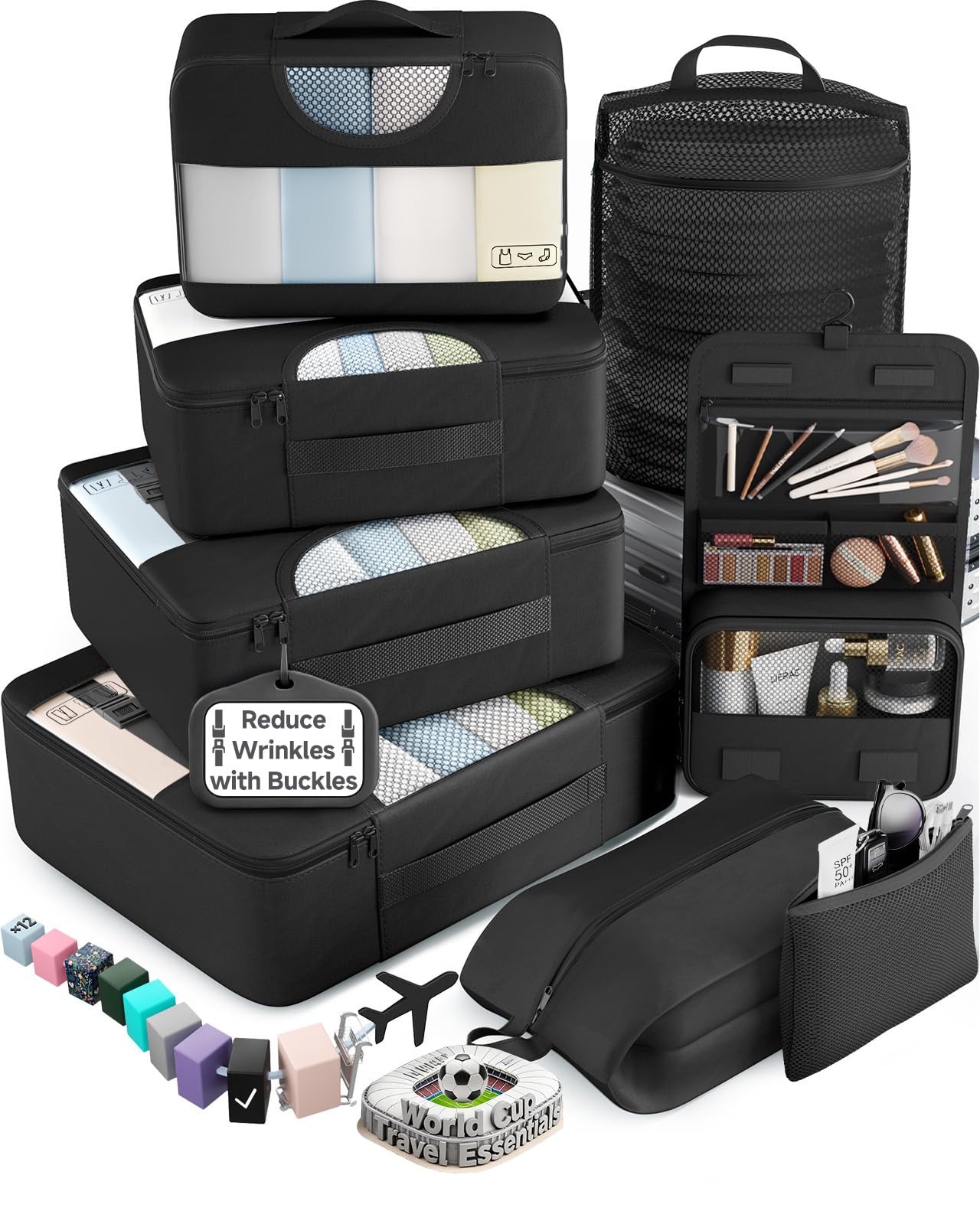 Veken 8-Set Packing Cubes for Travel
on Amazon
 Tan Leather Trolley Bag 44L
$240.00
 Traveler Weekender Duffle
$120.00
 Walker Leather Weekender Bag
$130.00
Ad
 Ringsun Genuine Leather Luggage Tags (2-Pack)
on Amazon
 Nocona Hiker Men's Belt
$42.00
 Waterline Braided Belt
$35.00
 Teddy Cattleman Cowboy Hat
$156.00
Ad
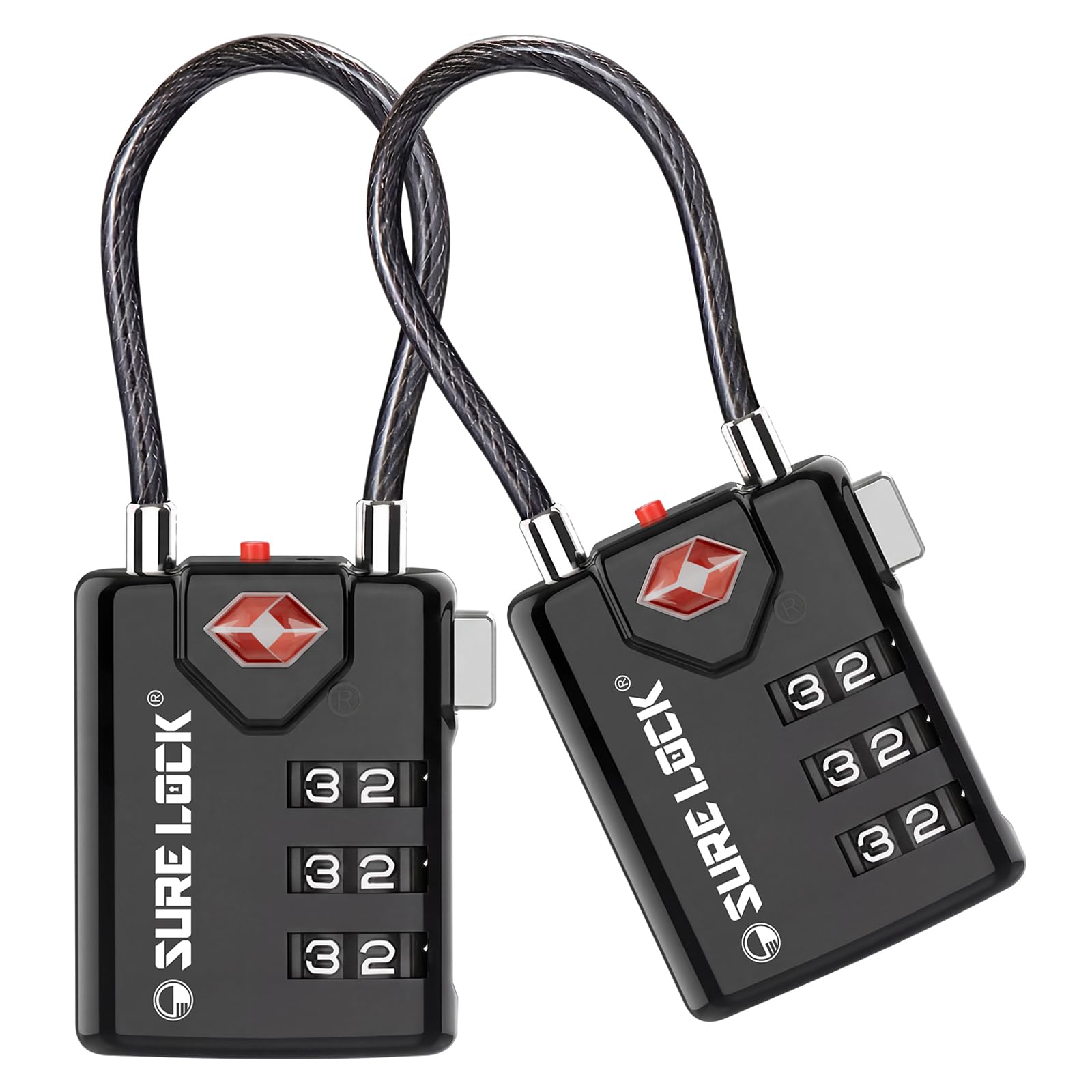 SURE LOCK TSA-Approved Luggage Locks (2-Pack)
on Amazon
 The Sierra Satchel
$59.99