
By Porter Lang
Read the small print first. Before the holiday gift lists fill up, it helps to know that three words on a box, “Made in USA,” are not a slogan. They are a legal claim with a test behind it, and the test is stricter than most people assume.
The test, in the FTC’s words
The Federal Trade Commission’s business guidance says a product called Made in USA, or claimed to be of domestic origin without limits on the claim, must be “all or virtually all” made in the United States. It defines that as three things at once. Final assembly or processing happens in the U.S. All significant processing that goes into the product happens in the U.S. And all or virtually all ingredients or components are made and sourced in the U.S. The agency’s summary: the product should contain no, or negligible, foreign content.
The guidance adds that “United States” here includes the 50 states, the District of Columbia and the U.S. territories and possessions.
What the agency weighs
There is no fixed percentage. The FTC says it starts with where final assembly or processing happens. After that it looks at how much of the total manufacturing cost belongs to U.S. parts and processing, how far removed any foreign content is from the finished product, and how important that content is to the product’s form or function. A law firm’s summary of the rule, Holland & Knight, lists the same three factors and says the inquiry is case by case.
The FTC’s own examples are the useful part, because they show the test failing on small things.
- A watch made in Nevada with mostly U.S. parts and labor, but with inexpensive Swiss movements. The movements are a small share of the cost, yet without them the watches cannot tell time. An unqualified claim is likely deceptive.
- A table lamp assembled in the U.S. from American brass and an American shade, with an imported base. The base is a small share of the cost, but it is a direct, significant part of the finished lamp.
- A gold ring made with imported gold. The gold is valuable and only one step back from the ring, so the claim fails.
- By contrast, the plastic case of a clock radio, made from imported petroleum. The petroleum is far enough back, and small enough, that the claim is likely fine.
Our reading: ask what a buyer would call the “main parts,” then ask where those came from.
Words that sound close but are not the same
The FTC separates unqualified claims from qualified ones. A qualified claim describes the extent of U.S. content, such as “Made in USA of U.S. and imported parts,” or “Couch assembled in USA from Italian Leather and Mexican Frame.” The agency says to avoid qualified claims unless the product has a significant amount of U.S. content or processing.
“Assembled in USA” has its own rule. The guidance says it can stand without qualification when the principal assembly happens in the U.S., the assembly is substantial, and the product’s last “substantial transformation” took place here. A simple “screwdriver” assembly of foreign parts at the end does not usually qualify.
Other phrases are treated as claims about one process or part. The agency’s examples include “Designed in USA, Made in Finland,” and “Hand carved in U.S. Wood from Philippines.” It warns that general words such as “produced,” “created” or “manufactured” in the U.S. are unlikely to be read as limited to one process, and calls a “Created in USA” claim on a product made abroad deceptive.
What counts as a claim, even without the words
According to the FTC, a claim can be express or implied. Express examples include “Our products are American-made,” “Manufactured in USA,” and “Built in USA.” Implied ones can come from U.S. flags, outlines of the country, or references to U.S. factory locations. The guidance says an American brand name by itself, or a small U.S. address on a package, is ordinarily not treated as a claim of U.S. origin.
It also says a company may not suggest a whole product line is American-made when only some products qualify.
What the rule does and does not cover
The Federal Register notice for the Made in USA Labeling Rule was published July 14, 2021, with an effective date of August 13, 2021. The FTC’s guidance says the rule was finalized in August 2021. We show both and note they are not in conflict: one is the publication date, the other the effective date.
The notice says the rule covers labels on products that make unqualified Made in USA claims, in all contexts, including packaging and online. It also covers mail-order catalogs and online materials that carry a seal, mark, tag or stamp labeling a product Made in the United States. It does not cover qualified claims, which the FTC says it will keep addressing under its general authority. It does not cover advertising claims generally; those fall under the agency’s earlier Policy Statement.
The FTC also says there is no law that requires most products sold in the U.S. to carry a Made in USA label at all. Some do have to show origin. Under the Textile Fiber Products Identification Act and the Wool Products Labeling Act, most clothing and household textile or wool products must carry a country-of-origin label. Cars have their own labeling law. Imported goods fall to Customs and Border Protection, which requires a foreign country-of-origin mark.
What shoppers think the words mean
The Federal Register notice cites a 2013 survey, submitted to the FTC, in which almost 3 in 5 Americans (57%) agreed that “Made in America” means all parts of a product, including natural resources, came from the United States. It says 33 percent thought 100 percent of a product must come from a country for it to be labeled “Made” there. The agency used this kind of evidence to conclude that “all or virtually all” matches what consumers expect.
Questions a buyer would ask
Does the FTC approve these labels in advance? No. The guidance says a company does not need approval and the FTC does not pre-approve claims; it must be truthful and substantiated. Does “Assembled in USA” mean the parts are American? Not necessarily. The guidance says it can include foreign components, if assembly is substantial.
Dates in order
- 1997: FTC publishes its Enforcement Policy Statement on U.S. origin claims, according to the FTC.
- July 14, 2021: Labeling Rule published, according to the Federal Register.
- August 13, 2021: rule effective, according to the Federal Register.
- July 2024: date on the FTC’s current guidance page, according to the FTC.
What kind of sources these are
A federal agency’s business guidance, a federal rulemaking notice and a law firm’s client summary. None is written for shoppers, which is why we translate. The FTC page states that it is staff’s view of the law and not binding on the Commission.
What we left out
Penalties, individual enforcement cases, company names, executive orders and any opinion on whether the rule is strict enough. We also left out government procurement rules, which use a separate standard.
Quick answers
What does Made in USA mean on a label? According to the FTC, the product must be “all or virtually all” made in the U.S., with final assembly and all significant processing here.
Is “Assembled in USA” the same? No. The FTC says it can include foreign parts if the principal assembly is substantial and the last substantial transformation happened in the U.S.
Must products carry a Made in USA label? The FTC says no law requires it for most products, though textile, wool, fur and automobile products have their own origin rules.
Related on this site: leavenworth-washington-bavarian-village-lights, turkey-labels-fresh-free-range-heritage, lincoln-logs-patent-1920-imperial-hotel
Roam first. Shop later.
Shop Sephari Picks
As an Amazon Associate we earn from qualifying purchases. Some items below are sponsored affiliate products.
 Wanderer Leather Trolley Suitcase
$350.00
 Leather Carry-On Trolley Bag
$499.00
 The Peterson Leather Duffle
$140.00
Ad
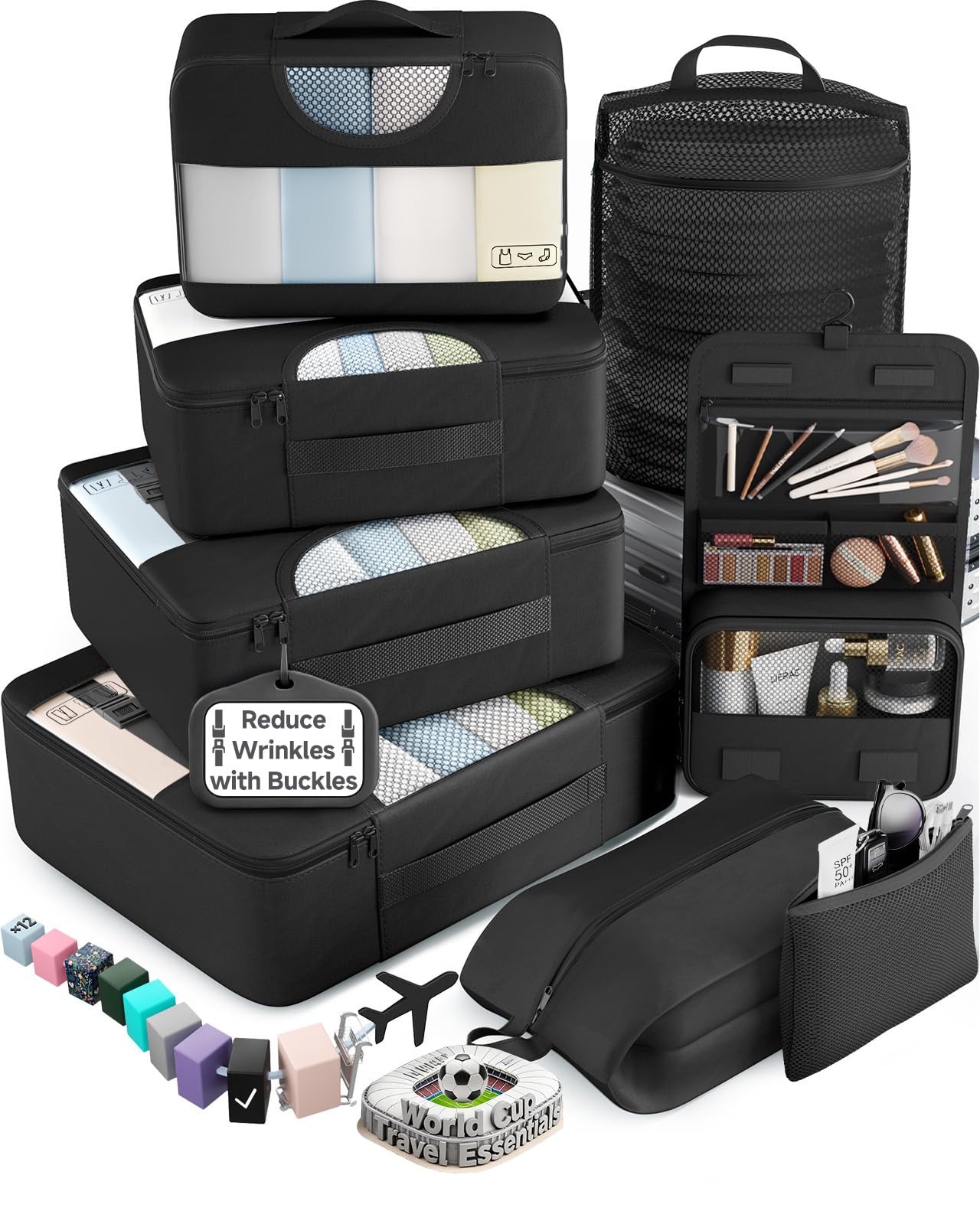 Veken 8-Set Packing Cubes for Travel
on Amazon
 Tan Leather Trolley Bag 44L
$240.00
 Traveler Weekender Duffle
$120.00
 Walker Leather Weekender Bag
$130.00
Ad
 Ringsun Genuine Leather Luggage Tags (2-Pack)
on Amazon
 Nocona Hiker Men's Belt
$42.00
 Waterline Braided Belt
$35.00
 Teddy Cattleman Cowboy Hat
$156.00
Ad
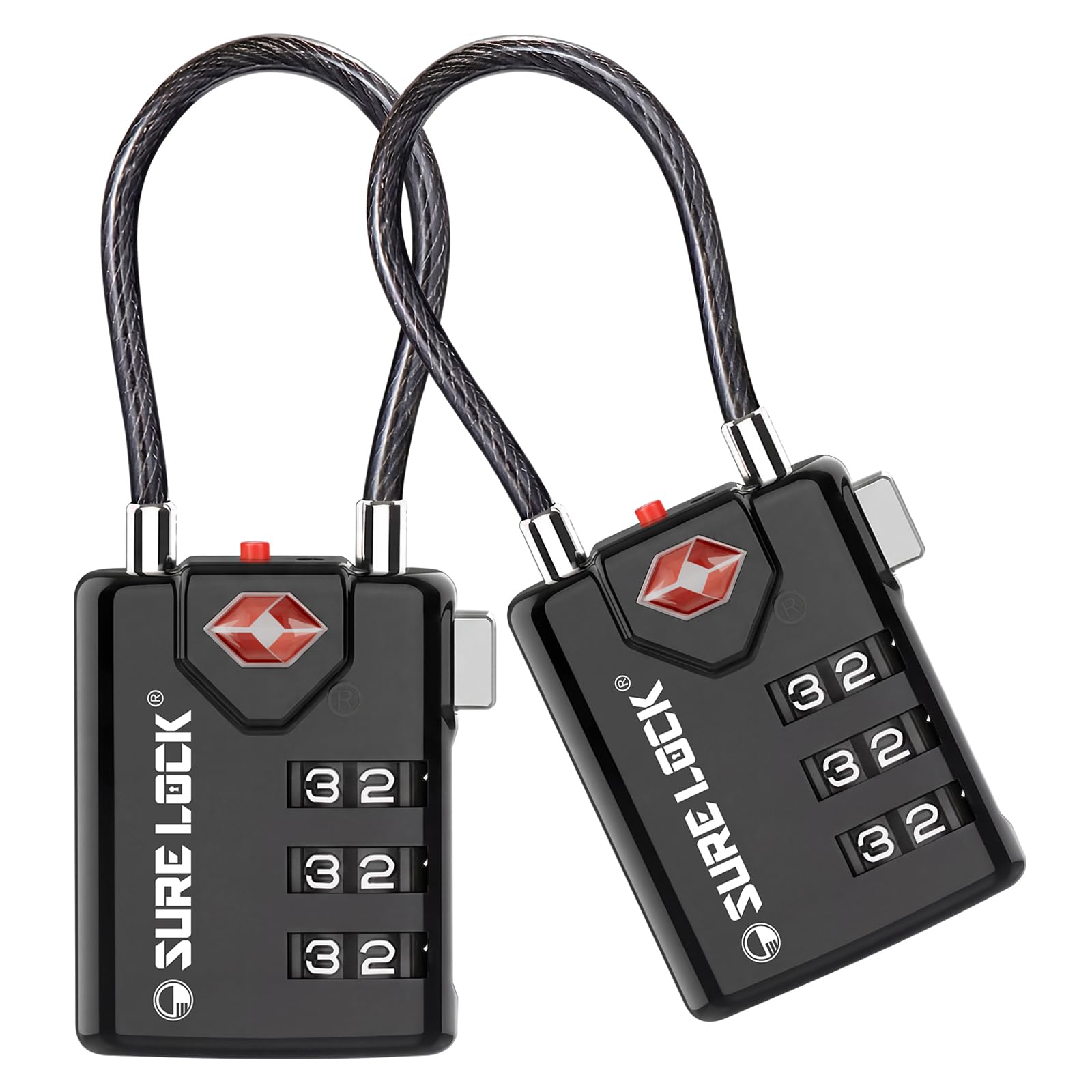 SURE LOCK TSA-Approved Luggage Locks (2-Pack)
on Amazon
 The Sierra Satchel
$59.99