
By Rafe Calder
The pumpkin in a pumpkin pie is not the pumpkin on the porch. That is the short version, and it is nearly right. The long version has a small Illinois town in it, a cream-colored vegetable, a federal policy from 1969 and two sources that disagree about its family tree.
A cannery in a town of 17,400
Morton, Illinois, is a small place with a large claim. KCUR, a public radio station, reports a population of about 17,400 and says Morton provides up to 95 percent of U.S. canned pumpkin and 85 percent worldwide. The same article’s summary says the region accounts for “more than 95 percent” of the U.S. total. Discover Peoria, the regional tourism site, says 90 percent of the world’s canned pumpkin is processed in Morton.
The factory is older than its pumpkins. Discover Peoria says the plant opened in 1925, built by Dickinson Canning Company to process corn, peas and string beans. In 1929, it says, the canneries in Morton, Washington and Eureka merged with Libby’s. The plant stopped packing peas in 1959 and canning sweet corn in 1973, and it has processed only pumpkins since 1970. (Those dates overlap, and the page does not explain how. We pass them on as written.)
The pumpkin that is not the pumpkin
KCUR says the Dickinson pumpkin is cream-colored and oblong, and is the variety most often found in cans. The article says Libby’s helped establish it as a widely used variety for pies and other foods. It also reports that more than 90 percent of Libby’s pumpkins are grown within 45 miles of the Morton plant, according to a Nestlé specialist, and that Libby’s supplies growers with proprietary seed and technical help.
Where did the variety come from? A trivia website says it is named for a farmer, Elijah Dickinson, who grew it in the early 1800s in Kentucky and then in central Illinois, and that his family invested in a cannery that owned three facilities by 1920. It says Libby’s bought the operation in 1929 and was not the original creator of the pumpkin. This is a single trivia source, and we flag it as such.
A federal rule about a word
What can a can be called? The U.S. Food and Drug Administration has a policy on exactly this. It says the agency will consider the designation “pumpkin” to be in essential compliance with the common-or-usual-name requirements for articles prepared from “golden-fleshed, sweet squash or mixtures of such squash and field pumpkin.” The policy names the squash as a firm-shelled variety of Cucurbita maxima and the field pumpkin as Cucurbita pepo. It carries the dates 1969 (issued), 1973 (revised) and 1980 and 1988 (reissued).
The trivia site quotes a 1957 USDA description in similar terms: any “golden-fleshed, firm-shelled, sweet varieties of either pumpkins or squashes” qualifies as canned pumpkin. It adds that field pumpkins, the carving kind, have stringy, watery flesh with little flavor.
Where two sources disagree
The Iowa State University Extension puts the Dickinson in a different species. Its page says Cucurbita moschata includes butternut squash and some pumpkins, such as Dickinson, and that “the main source of commercial pumpkin puree is from the Dickinson pumpkin.” The FDA’s policy, by contrast, names Cucurbita maxima for the golden squash.
Our reading: the FDA wording is about what a label may say, not about what any one company grows, so the two statements are not necessarily in conflict.
The festival
Discover Peoria says the Morton Pumpkin Festival was first planned in 1967 by the Chamber of Commerce and a local volunteer. Its first run had eighteen events, about 12,000 visitors and more than 7,000 free pumpkin pies. It says the festival now runs four days with over 30 events and activities and 2,000 volunteers, and that in 1978 the governor of Illinois officially declared Morton “The Pumpkin Capital of the World.” KCUR says it draws about 75,000 people over four days each September. Libby’s offered plant tours during the festival from 1968, the page says; they ended in the 2000s.
Illinois in the field
KCUR gives the U.S. Department of Agriculture’s figure for the 2023 Illinois crop: about 690 million pounds of pumpkins, more than the other five pumpkin-producing states combined. It also quotes the Greater Peoria Economic Development Council on more than 220,000 tons a year from the Peoria region.
Questions a buyer would ask
Is canned pumpkin real pumpkin? Under the FDA policy, “pumpkin” may be used on labels for golden-fleshed squash or mixtures with field pumpkin. Iowa State calls the Dickinson a pumpkin.
Dates in order
- 1925: plant built, according to Discover Peoria.
- \- 1929: Libby’s merger, according to Discover Peoria.
- 1967: first Pumpkin Festival planned, according to Discover Peoria.
- 1969: FDA policy issued, according to the FDA.
- 1970: only pumpkins at the plant, according to Discover Peoria.
- 1978: Morton named capital, according to Discover Peoria.
What kind of sources these are
A public radio station, a regional tourism site, a federal agency’s policy page (the FDA’s CPG Sec 585.725, content current as of August 24, 2018) and a university extension service. We read no Libby’s page of its own.
What we left out
The people quoted in the radio piece. Revenue, jobs and utility figures. Any recipe or health claim.
Quick answers
Where is most canned pumpkin made? Morton, Illinois, according to KCUR. The share varies by source: up to 95 percent in the U.S., or 85 to 90 percent worldwide.
What variety goes in the can? The Dickinson, which is cream-colored and oblong, according to KCUR. Iowa State says it is the main source of commercial puree.
Can a label say pumpkin if it is squash? Yes, the FDA says it will consider that designation in essential compliance for golden-fleshed sweet squash or mixtures with field pumpkin.
Related on this site: nantucket-christmas-stroll-whaling-museum, pyrex-borosilicate-soda-lime-corning-1915, bean-boot-maine-hunting-shoe-1912
Roam first. Shop later.
Shop Sephari Picks
As an Amazon Associate we earn from qualifying purchases. Some items below are sponsored affiliate products.
 Wanderer Leather Trolley Suitcase
$350.00
 Leather Carry-On Trolley Bag
$499.00
 The Peterson Leather Duffle
$140.00
Ad
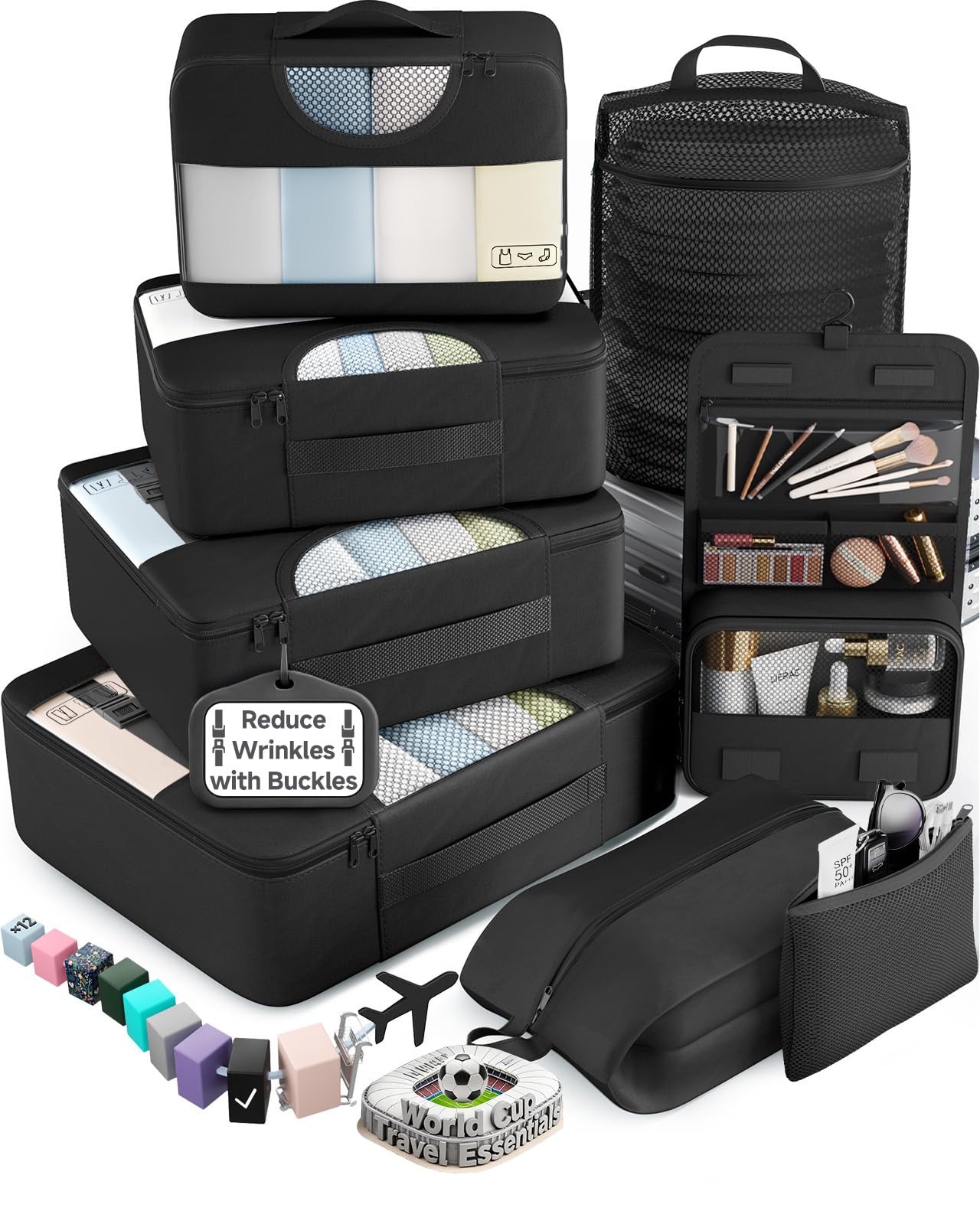 Veken 8-Set Packing Cubes for Travel
on Amazon
 Tan Leather Trolley Bag 44L
$240.00
 Traveler Weekender Duffle
$120.00
 Walker Leather Weekender Bag
$130.00
Ad
 Ringsun Genuine Leather Luggage Tags (2-Pack)
on Amazon
 Nocona Hiker Men's Belt
$42.00
 Waterline Braided Belt
$35.00
 Teddy Cattleman Cowboy Hat
$156.00
Ad
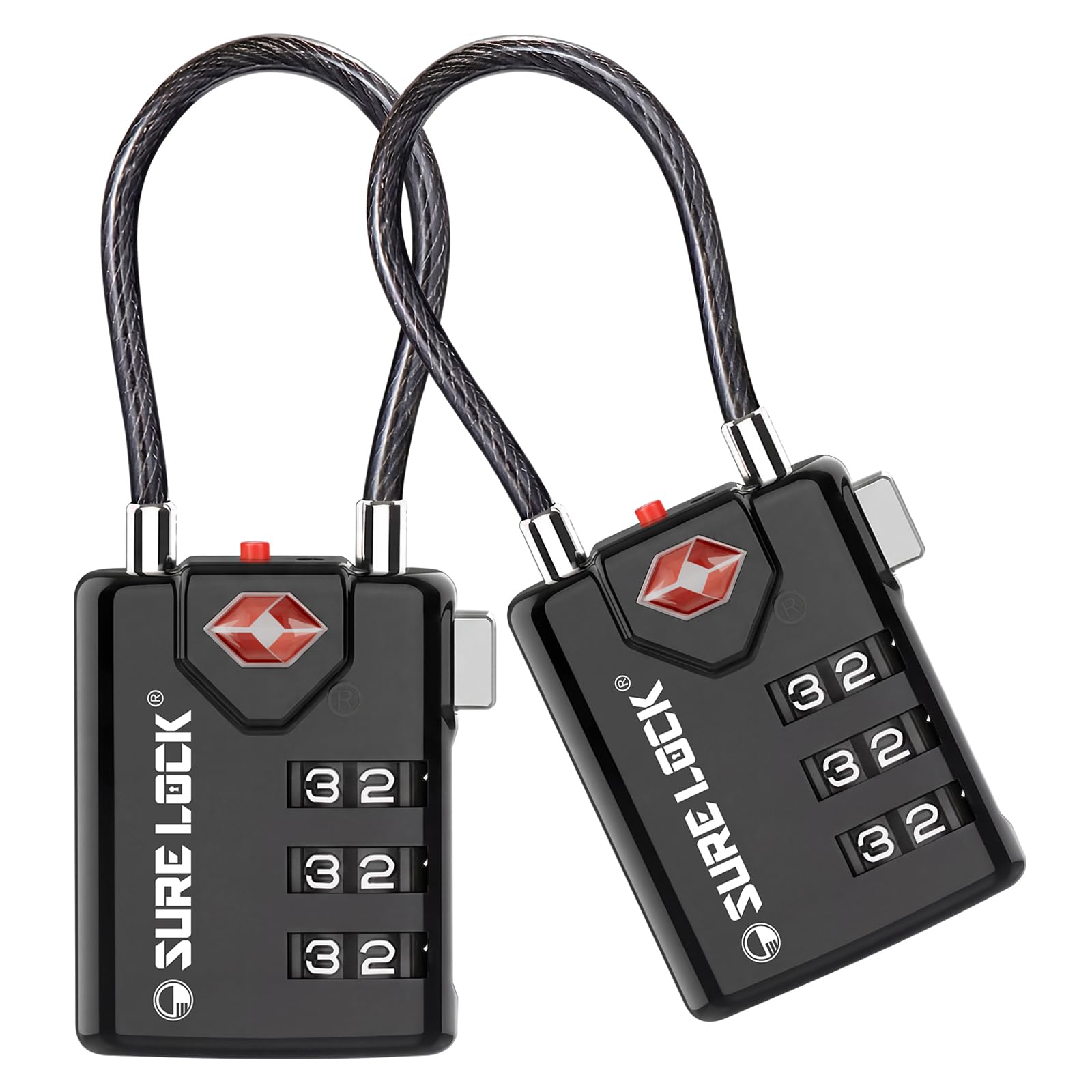 SURE LOCK TSA-Approved Luggage Locks (2-Pack)
on Amazon
 The Sierra Satchel
$59.99