
By Porter Lang
A boot has one job. It has to keep the water out where the foot meets the ground. The most famous boot in Maine failed at exactly that, on its first outing, and the story of how it was fixed is also a short lesson in what to look at when you buy one.
The problem it was built to solve
L.L.Bean’s own history page says Leon Leonwood Bean designed the boot in 1912 after trouble with soggy-soled boots while hunting in western Maine. The result combined a leather upper with a rubber-soled work boot base, meant to keep feet warm and dry. It was first called the Maine Hunting Shoe. A Maine television station, WGME, tells it the same way: Bean was tired of cold, wet feet, and the boot joined a leather upper to a rubber bottom.
The first run
According to the company, Bean set up shop in his brother’s basement, made and sold 100 pairs, and gave a “100% satisfaction guarantee.” Ninety pairs came back.
The flaw, the company says, was the stitching. Single-line stitching tore through the rubber and separated it from the leather upper. WGME has it slightly differently: the rubber bottom separated from the sole. Bean refunded those early customers and borrowed money to fix the design. The company says he borrowed from family. WGME says from his brother.
What the fix was
The company says the fix used a more durable rubber and triple-line stitching, which keeps rubber and leather from separating, and that the triple-line stitch is still a signature of the boot.
The company adds that stitchers are trained for 26 weeks to master the technique, and that the boots are made by hand by stitchers in Maine.
Is the sole unchanged?
The company says the rubber sole has not changed since 1912.
Names you will see
The company says the boot is also called the Bean Boot, the Duck Boot or the Maine Hunting Shoe. It says that since 1912 the boot has come in hundreds of colors, shapes and upper materials, among them leather, waxed canvas and flannel, with various liners. It names the 8-inch, unlined tan version as a best-seller for men and women. That is a statement from a seller about its own product, and we label it that way.
The company page says that in the 2010s the boots became so popular that demand outran production.
What to look at when you pick up a pair
Two things, both drawn from the story above, and neither a guarantee.
- The seam where rubber meets leather. It was the weak point in 1912, and the company still treats the stitching as the signature. Our reading: look at it first.
- The upper. Leather, waxed canvas and flannel all appear on the company page.
Resoling and repair are not covered by any of the three pages we read, so we say nothing about them. Ask the maker.
Questions a buyer would ask
Is it a rubber boot or a leather boot? Both. The company describes a leather upper joined to a rubber-soled base. Is it the same as a duck boot? The company lists “Duck Boot” among the boot’s names.
Dates in order
- 1912: the Maine Hunting Shoe and the company, according to the company and Wikipedia.
- First 100 pairs: 90 returned, according to the company and WGME.
- \- 2010s: nationwide shortage, according to the company page.
What kind of sources these are
The maker’s own history page and a Maine television station’s report. The company page is a producer describing itself. The WGME article leans partly on one person’s retelling of the story, whom we do not name.
What we left out
Prices, sales, revenue and the maker’s collaborations. The names of living people. Any claim about warmth ratings, sizing or waterproofing beyond the sources’ own words.
Quick answers
When was the Bean boot invented? L.L.Bean says 1912.
Why did the first Bean boots fail? The company says single-line stitching tore through the rubber and separated it from the leather upper, so 90 of the first 100 pairs came back.
Where are Bean boots made? In Maine, by hand, according to the company’s own history page.
Related on this site: nantucket-christmas-stroll-whaling-museum, pyrex-borosilicate-soda-lime-corning-1915, canned-pumpkin-dickinson-libbys-morton
Roam first. Shop later.
Shop Sephari Picks
As an Amazon Associate we earn from qualifying purchases. Some items below are sponsored affiliate products.
 Wanderer Leather Trolley Suitcase
$350.00
 Leather Carry-On Trolley Bag
$499.00
 The Peterson Leather Duffle
$140.00
Ad
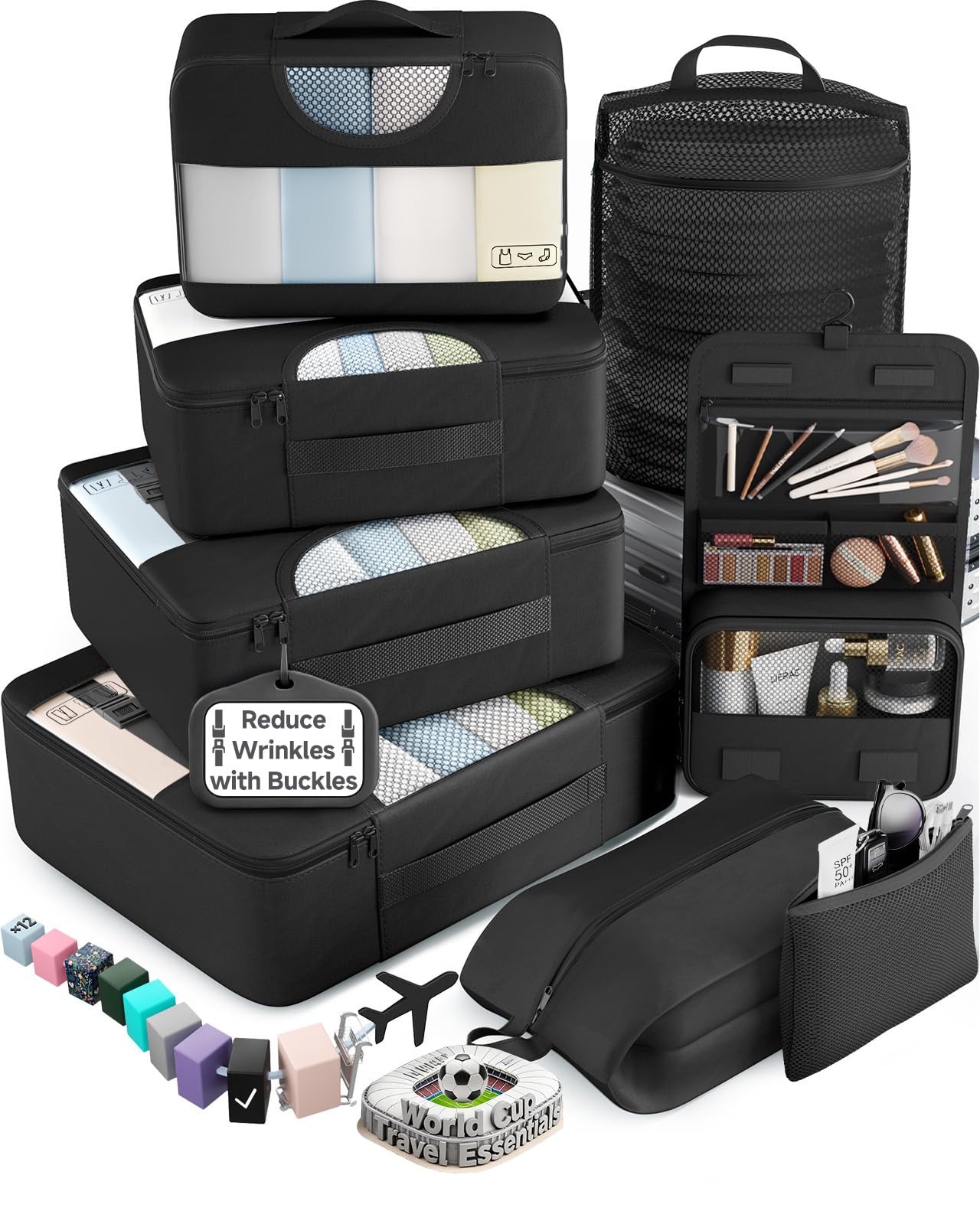 Veken 8-Set Packing Cubes for Travel
on Amazon
 Tan Leather Trolley Bag 44L
$240.00
 Traveler Weekender Duffle
$120.00
 Walker Leather Weekender Bag
$130.00
Ad
 Ringsun Genuine Leather Luggage Tags (2-Pack)
on Amazon
 Nocona Hiker Men's Belt
$42.00
 Waterline Braided Belt
$35.00
 Teddy Cattleman Cowboy Hat
$156.00
Ad
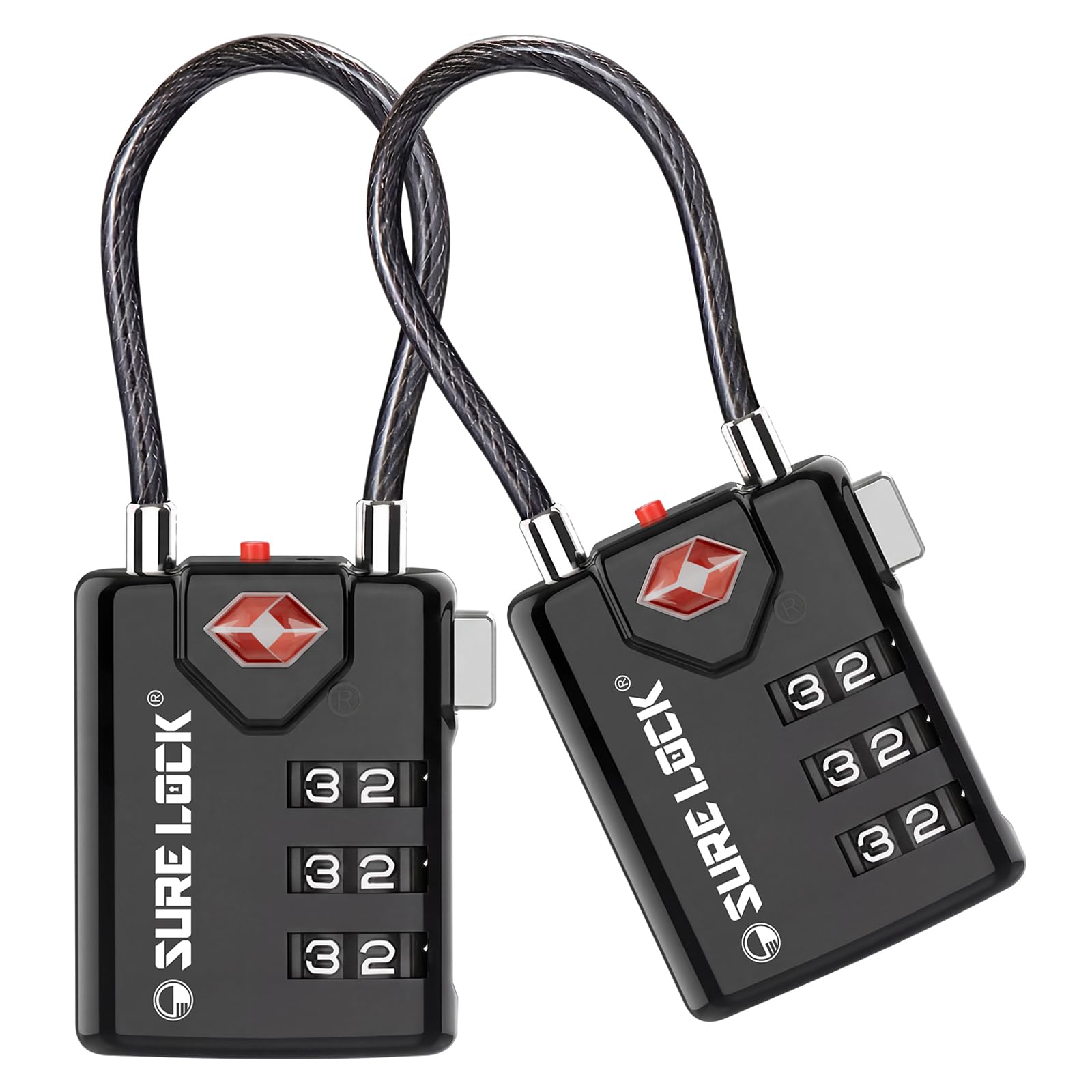 SURE LOCK TSA-Approved Luggage Locks (2-Pack)
on Amazon
 The Sierra Satchel
$59.99