By Ines Keane
Maybe. The two best sources we could find do not quite agree, and the disagreement is the useful part. If you are reading a stamp on a baking dish, it is worth knowing what the stamp can carry.
A glass built for railroad lamps
The story begins before the kitchen. Chemical & Engineering News, the American Chemical Society’s magazine, says borosilicate glass was first made by the German chemist Otto Schott in 1893. Adding boron oxide to the usual mix of sand, soda and lime reduces how much the glass expands when it heats, so it copes better with sudden changes in temperature. Schott’s company sold the glassware as Duran.
Corning, the magazine says, began some 60 years before Pyrex as an industrial glass and ceramics firm whose strength was lenses for railroad signal lamps. In 1908 its first director of research developed Nonex, a borosilicate variation made for those lamps. It could take heat from the lamp inside and cold, wet weather outside. The trouble was that it lasted. Reorders fell, and the company needed other uses for a glass that would not wear out.
The sponge cake
In 1913, C&EN says, a Corning physicist took home the sawed-off bottom of a borosilicate battery jar because his wife’s ceramic baking dish had broken. She baked a sponge cake in it. It came out evenly shaped and browned, and he realized he had found something. The magazine adds that the glass in that jar contained too much lead for kitchenware, and that Corning removed it.
The Corning Museum of Glass says Pyrex was invented in 1915 and that Corning first made its temperature-resistant glass for railroad lantern globes. The museum lists the first 12 Pyrex products as covered casseroles, pie plates, shirred egg dishes, custard cups, loaf pans, au gratin dishes and oval baking dishes. “By 1915,” the magazine quotes a Corning executive as saying, “people were cooking in glass.”
Teaching people to bake in it
A new material needs a manual. The museum says Corning hired two home economists, an editor at Ladies’ Home Journal and a staff member of the Good Housekeeping Institute, to promote Pyrex with cooking demonstrations in department stores. In 1929 it hired Lucy Maltby as a full-time home economist to manage a consumer services office, and by 1931 she had set up a Test Kitchen at Corning to check new products before they reached the market.
War helped the lab side. C&EN says that before 1915 most lab glass came from Germany and Austria, and World War I cut off American supply. By the war’s end in 1918, it says, American glass cookware and labware were established and Corning was the leading supplier.
The capital letters question
Corning’s own page for Pyrex brand lab products says “PYREX refers to Corning’s trademarked borosilicate glass,” while lowercase “pyrex” is often used for any heat-resistant glass. That sounds like a rule you could use at a flea market or in your cupboard.
The Corning Museum of Glass answers a direct question about it: are dishes stamped with all capital letters made of borosilicate? Its answer is no, not reliably. The change from uppercase to lowercase marked a rebranding in the late 1970s, the museum says, but is “not a conclusive way to determine, historically, what type of glass formulation the product is made from.”
Why? The museum says Pyrex is a brand and not a single glass. Corning established it in 1915, and several companies have made Pyrex products under the name or by license since. A researcher counted more than 150 glass compositions used for Pyrex since 1915, including borosilicate, aluminosilicate and tempered soda-lime.
Where the switch to soda-lime shows up
C&EN says Corning sold its consumer products division in 1998 and licensed World Kitchen to make and sell Pyrex glass and CorningWare for the home. It adds that Pyrex cookware sold in North America today is made of soda-lime glass, not the original borosilicate. The museum agrees on the trend: most sources say U.S. Pyrex-licensed tableware is primarily tempered soda-lime today. It also reports that the Consumer Product Safety Commission concluded that borosilicate is less likely to break under thermal shock, while tempered soda-lime is less likely to break on impact. The museum notes that Corning used date codes of dots and dashes on its glass to identify glass type, date and plant. It also says a French licensee makes tempered borosilicate products.
Side by side
- Corning’s lab-glass page: all-caps PYREX is the trademarked borosilicate; lowercase is generic.
- Corning Museum of Glass: the capital-letter test is not conclusive, because the name has covered many glasses and licensees.
- C&EN: North American Pyrex cookware is now soda-lime.
Our reading: the stamp is a clue about the era and the brand. It is not a lab report on the glass.
Patterns and measuring cups
The museum’s 2015 exhibition showed nearly 150 Pyrex opalware patterns, among them Terra and Verde from the 1960s. It says military mess ware developed by Corning in the 1940s evolved into opalware after World War II, and that measuring cups were redesigned in the 1980s with a handle that let cups of different sizes stack. The museum’s Pyrex Potluck website, it says, shows more than 2,000 Museum-held Pyrex objects sortable by pattern and date.
Questions a buyer would ask
Does lowercase pyrex mean it is worse? Neither source says so. The Consumer Product Safety Commission finding, as the museum reports it, is that each glass is better at a different kind of failure. Can I tell the glass from a date code? The museum says Corning used dot-and-dash codes for glass type, date and plant. It does not give a key, so we do not either.
Dates in order
- 1893: Schott makes borosilicate glass, according to C&EN.
- 1908: Nonex developed for railroad lamps, according to C&EN.
- 1913: sponge cake in a battery jar, according to C&EN.
- 1915: Pyrex invented; first 12 products, according to the Corning Museum of Glass.
- 1929 and 1931: Maltby hired; Test Kitchen set up, according to the museum.
- Late 1970s: capitals give way to lowercase, according to the museum.
- 1998: consumer division sold, according to C&EN and the museum.
What kind of sources these are
A chemistry trade magazine, two pages from the Corning Museum of Glass and a producer’s own product page. We read no collector’s guide and no safety agency’s own text.
What we left out
Prices, sale sums, the names of living researchers and any advice about heating a dish. No source we read gives a test you can do at home.
Quick answers
What does PYREX in capital letters mean? Corning says it refers to its trademarked borosilicate glass, with lowercase used generically for heat-resistant glass.
Is the capital-letter test reliable? Not reliably, according to the Corning Museum of Glass, which calls it not conclusive.
Is U.S. Pyrex cookware still borosilicate? C&EN says cookware sold in North America today is soda-lime glass, and the museum says most sources agree for tableware.
Related on this site: nantucket-christmas-stroll-whaling-museum, bean-boot-maine-hunting-shoe-1912, canned-pumpkin-dickinson-libbys-morton
Roam first. Shop later.
Shop Sephari Picks
As an Amazon Associate we earn from qualifying purchases. Some items below are sponsored affiliate products.
 Wanderer Leather Trolley Suitcase
$350.00
 Leather Carry-On Trolley Bag
$499.00
 The Peterson Leather Duffle
$140.00
Ad
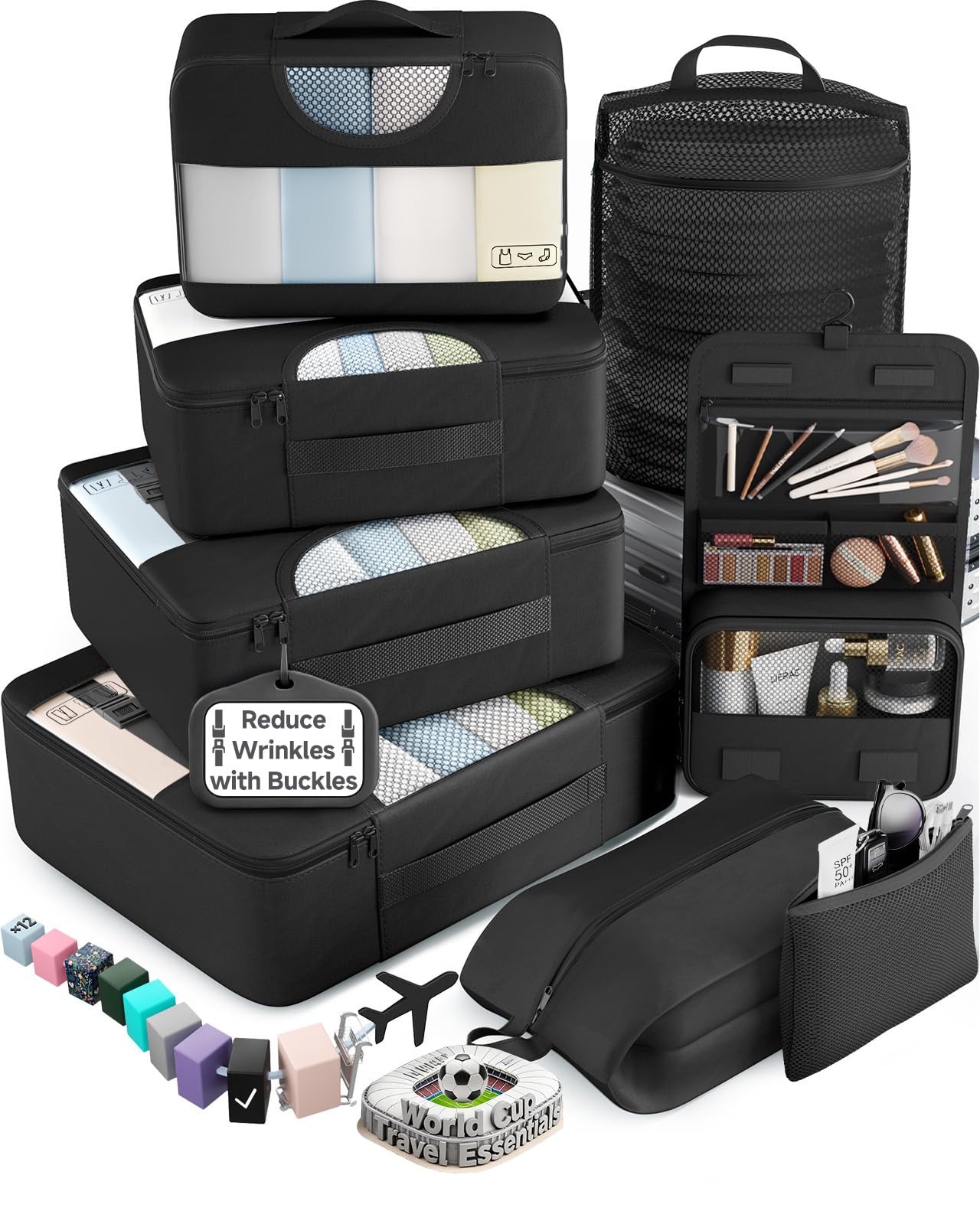 Veken 8-Set Packing Cubes for Travel
on Amazon
 Tan Leather Trolley Bag 44L
$240.00
 Traveler Weekender Duffle
$120.00
 Walker Leather Weekender Bag
$130.00
Ad
 Ringsun Genuine Leather Luggage Tags (2-Pack)
on Amazon
 Nocona Hiker Men's Belt
$42.00
 Waterline Braided Belt
$35.00
 Teddy Cattleman Cowboy Hat
$156.00
Ad
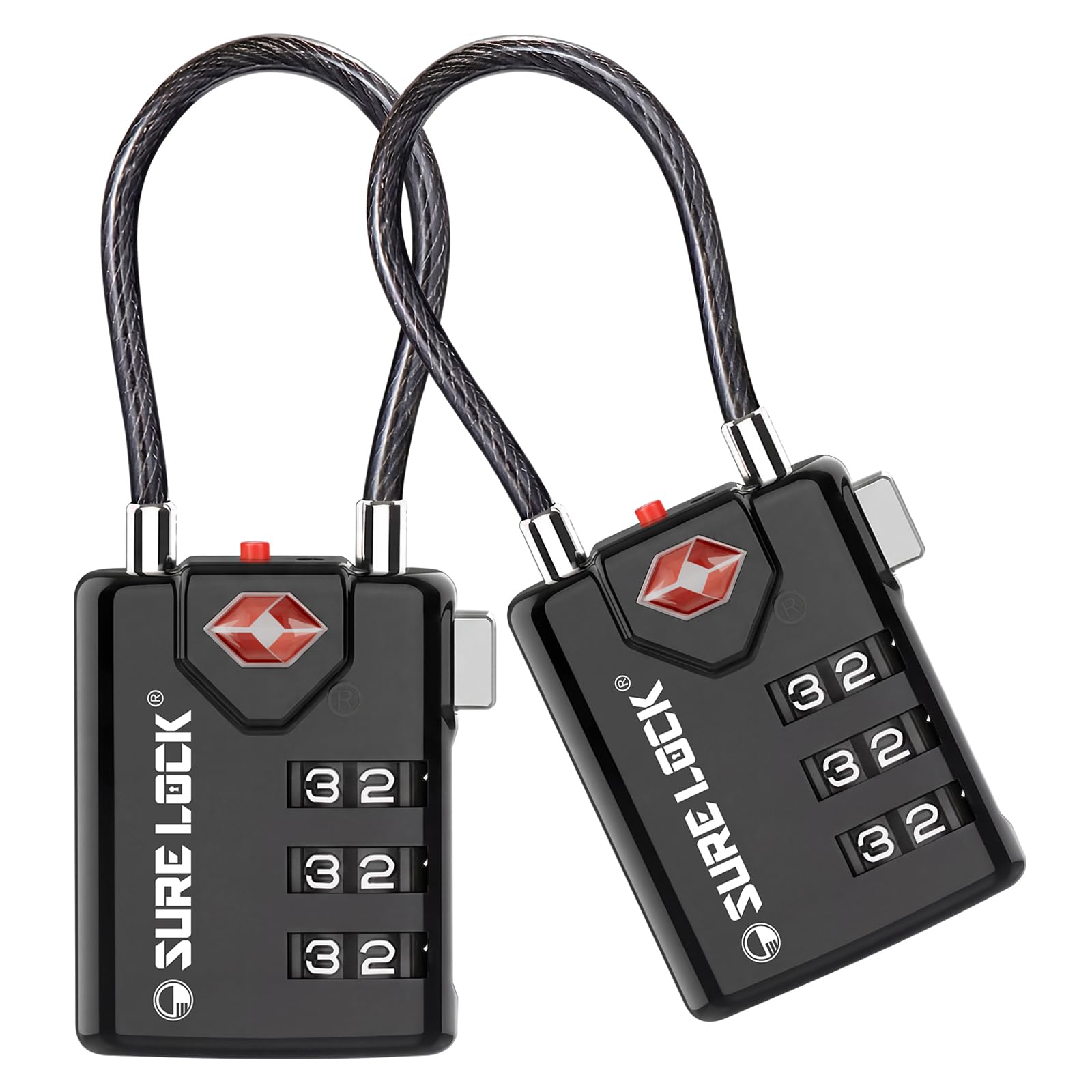 SURE LOCK TSA-Approved Luggage Locks (2-Pack)
on Amazon
 The Sierra Satchel
$59.99