
By Isla Quinn
Hill. Snow. Gravity. Before 1889 that was the whole deal, and the sled went where it went.
The U.S. Patent and Trademark Office, telling the story in its own words, says sleds and toboggans of the day had no workable steering. Lexington Chronicle, a local newspaper, describes them as long, thin wooden planks ridden belly-down, with no way to steer. Then a farm-equipment maker from Philadelphia had an idea.
The man
The National Inventors Hall of Fame says Samuel Leeds Allen was born on May 5, 1841, in Philadelphia, died on March 28, 1918, and was inducted into the hall in 2007. The Hagley Library says he held almost 300 patents for farm implements, among them the Planet Drill, a fertilizer drill he created in 1866. The patent office says his company made only agricultural machinery for its first two decades.
The sources give his company a few homes. The Hagley Library says he founded the S. L. Allen Company in Cinnaminson, New Jersey, in the 1860s, and moved it to Philadelphia in 1881 and to a bigger factory in 1888. The patent office calls it S.L. Allen & Co. of Philadelphia. Wikipedia says he patented the sled in Cinnaminson. We list them and choose none.
How it turns
Look at the parts. Steel runners. A wooden cross-piece across the front. A rope. The patent office says the front runners are split at a hinge and attached to a steering bar, so they pivot left or right like the sides of a parallelogram, cutting a track the fixed rear runners follow. Wikipedia and the Hagley Library put it more simply: shifting the cross-piece bends the flexible rails, and the sled turns. The Inventors Hall of Fame says the Flyer used a single pair of flexible runners with a T-shaped cross-section, where Allen’s earlier sleds were bobsleds with two pairs of runners that were hard to steer. Riders sit or lie down and steer with hands or feet.
One patent, four dates
The sources cannot agree on the day. The Hagley Library says U.S. Patent 408,681 was issued on August 13, 1889. The Lexington Chronicle says August 12, 1889. Wikipedia says only 1889. The patent office says its notice of the patent went out on May 1, 1889, which may be a different step in the process; the page does not say. Our reading: the day matters less than the year, and all four sources agree on that.
A slow start
The patent office says sales were slow in the early 1890s, that Allen’s senior staff advised handing the patent to another manufacturer, and that he declined and spent heavily on advertising from the mid-1890s. It says retailers saw the Flyer as too different from familiar sleds. The Hagley Library says retailers rejected it for years, until around the turn of the century, when Wanamaker’s in Philadelphia and Macy’s in New York began to sell it. The Lexington Chronicle says sales were “so-so” until Allen used department stores.
How was it built? Wikipedia says the company began making sleds in its farm-equipment factory to keep workers busy during the slow season. The Lexington Chronicle says the workers made farm equipment in winter and sleds in summer, so stock would be ready for December.
The big year
Wikipedia, the Hagley Library and the Lexington Chronicle all give about 120,000 Flyers sold in 1915, with almost 2,000 sold in a single day. The patent office, tellingly, gives no sales total at all, and says only that by the 1910s the Flyer was the best-known sled brand in the United States.
After the founder
The Hagley Library lists the moves. The Philadelphia factory closed in 1968, and the name went to the Leisure Group of Los Angeles, which moved production to Medina, Ohio. In 1973, it says, private investors began production in Mississippi; the Inventors Hall of Fame says Blazon, Inc. took over manufacturing in that year. In 1993 Roadmaster bought the rights and production moved to Olney, Illinois. In 1998 it moved overseas. The sources say most Flyers are made overseas now and some in Maine, by a company that owns the trademark. The patent office lists two Flexible Flyer trademarks as active and registered to Paricon LLC of Maine.
Dates in order
- May 5, 1841: Allen is born in Philadelphia, according to the Hall of Fame.
- 1866: the Planet Drill, according to the Hagley Library.
- 1887: the earlier Fairy Coaster patent, according to the patent office.
- 1889: the Flexible Flyer patent, according to all four sources that give a year.
- Early 1890s: slow sales, according to the patent office.
- 1915: about 120,000 sold, according to three sources.
- March 28, 1918: Allen dies, according to the Hall of Fame.
- 1968: the factory closes and the name is sold, according to the Hagley Library.
Side by side
- Patent date: August 12 (newspaper), August 13 (library), 1889 only (Wikipedia).
- Company home: Cinnaminson, New Jersey (library, Wikipedia), Philadelphia (patent office).
- Who took over in 1973: private investors (library), Blazon, Inc. (Hall of Fame).
Questions a buyer would ask
Who made this one, and in which decade? The record shows the sled changing hands and factories repeatedly since 1968. Is the wood original? Are the runners straight and the cross-piece free? We found no source on how to date a sled by its marks, so we give none.
What kind of sources these are
A federal patent office feature, a national inventors’ hall of fame, a historical library, Wikipedia, and a local newspaper’s 2021 feature. The last is popular writing. None is the patent itself.
What we left out
Prices for the earlier Fairy Coaster, collector prices, and any claim about how the Flyer performs on snow. We did not read the patent.
Roam first. Shop later.
Shop Sephari Picks
As an Amazon Associate we earn from qualifying purchases. Some items below are sponsored affiliate products.
 Wanderer Leather Trolley Suitcase
$350.00
 Leather Carry-On Trolley Bag
$499.00
 The Peterson Leather Duffle
$140.00
Ad
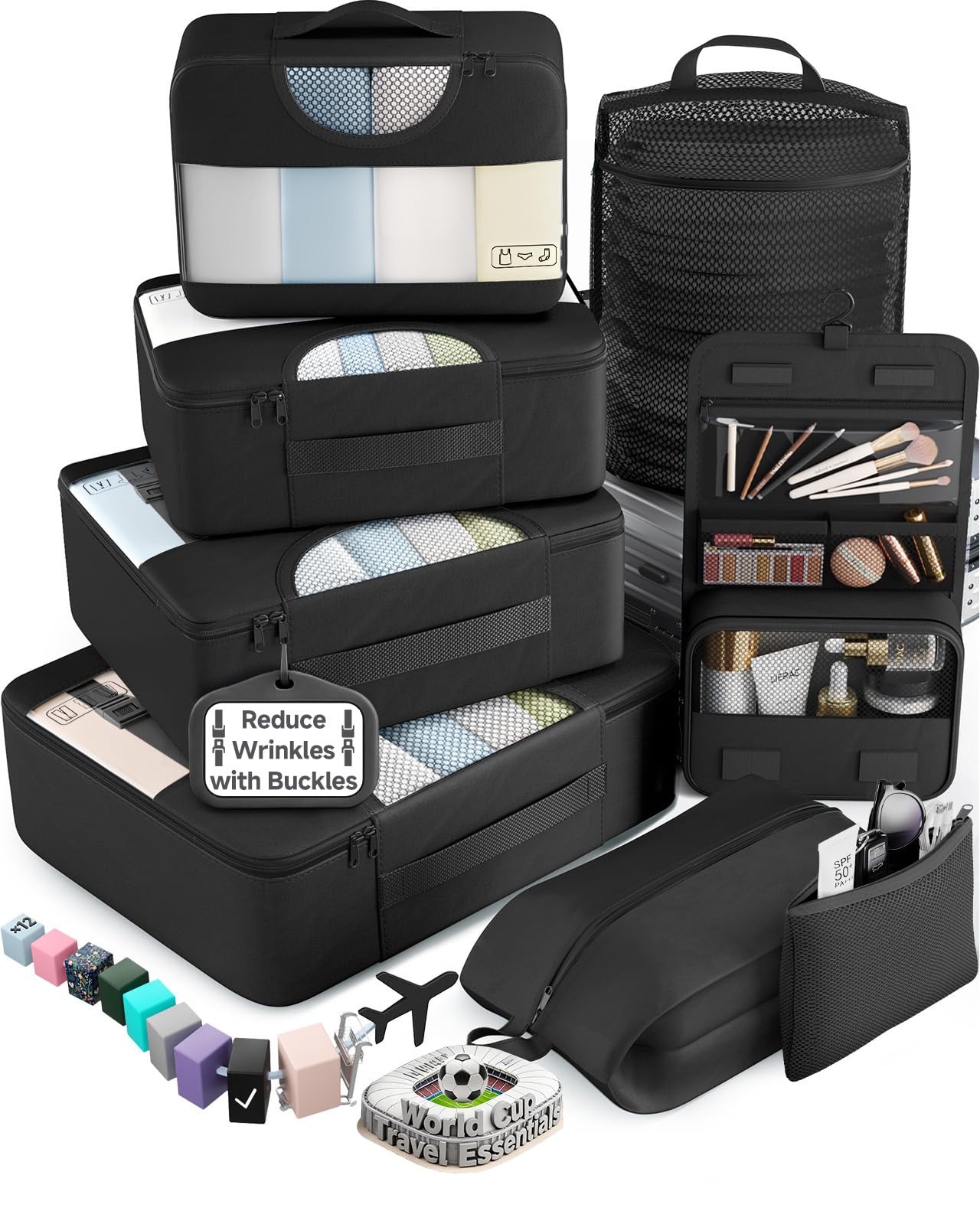 Veken 8-Set Packing Cubes for Travel
on Amazon
 Tan Leather Trolley Bag 44L
$240.00
 Traveler Weekender Duffle
$120.00
 Walker Leather Weekender Bag
$130.00
Ad
 Ringsun Genuine Leather Luggage Tags (2-Pack)
on Amazon
 Nocona Hiker Men's Belt
$42.00
 Waterline Braided Belt
$35.00
 Teddy Cattleman Cowboy Hat
$156.00
Ad
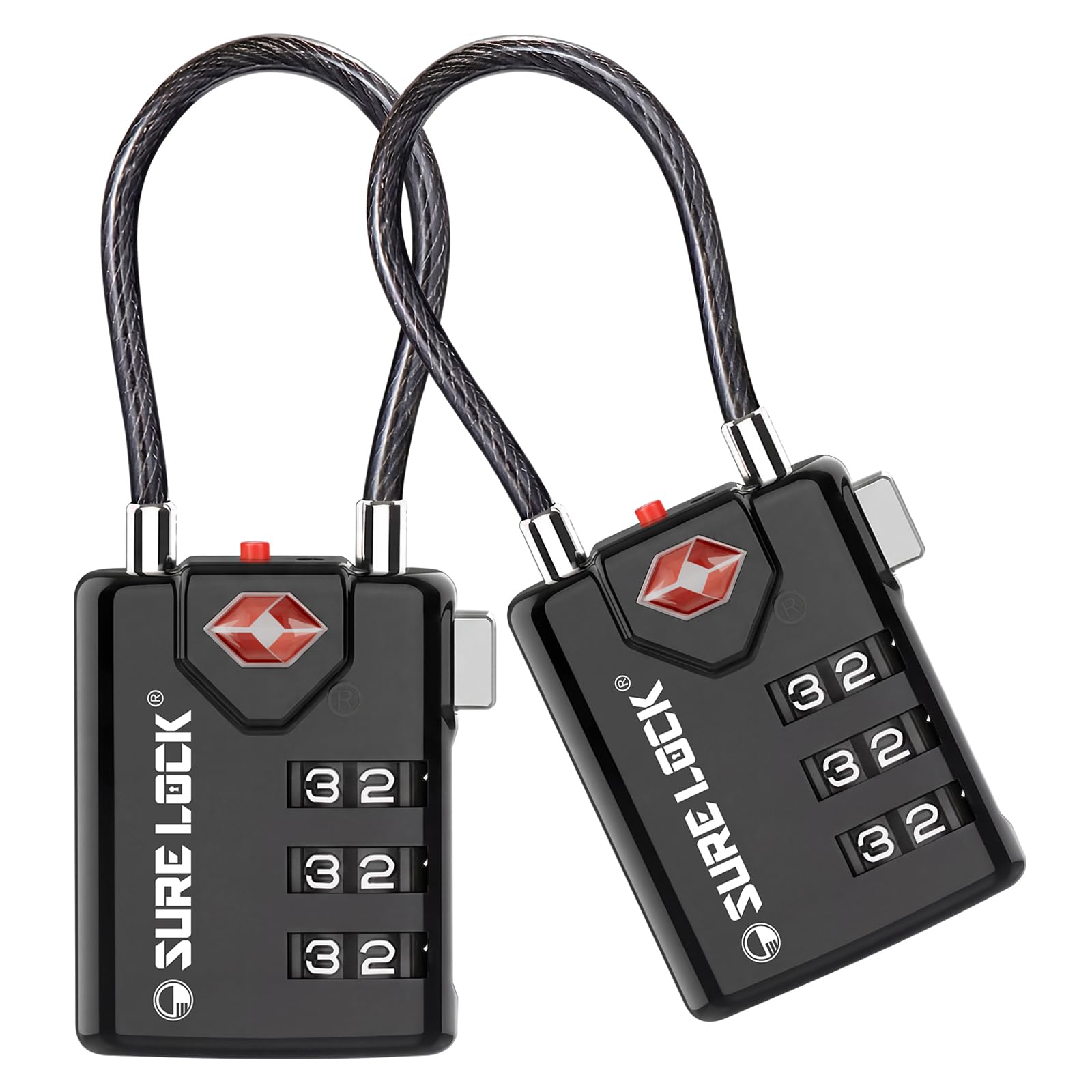 SURE LOCK TSA-Approved Luggage Locks (2-Pack)
on Amazon
 The Sierra Satchel
$59.99