
By Porter Lang
Three strings, a stick and a lap. That is most of what the sources say a player needs, and they describe the building in more detail.
The shape
Wikipedia calls the Appalachian dulcimer a plucked, fretted box zither with a long, narrow soundbox and a neck that runs the instrument’s full length. It gives a typical size of 70 to 100 centimeters long and 16 to 19 centimeters wide, with a soundbox about 5 to 6 centimeters deep, and says soundboxes usually have two to four sound holes, often heart-shaped. A Smithsonian Institution article describes two common types. One is the elongated, straight-sided, tapering box with frets on the right side of the soundboard, which it says resembles the German scheitholt. The other has a raised center fretboard and resembles Scandinavian instruments.
What it is made from
Wikipedia says traditional instruments were made from one local wood, and that modern ones often use a spruce or cedar top, a mahogany or rosewood back and sides and a hardwood fingerboard. The Smithsonian collection record for one unattributed dulcimer says the instrument is wood with metal frets and nails, with a wood nut and bridge, a diamond-shaped sound hole under the fretboard and carved wooden friction pegs. It says the instrument has four strings, two melody and two drone, and 14 metal frets. The record calls it crudely constructed. We show it as one instrument, not a type.
Strings and frets
Wikipedia says most dulcimers have three or four strings, of metal wire similar to banjo and guitar strings, and that modern ones have 12 to 16 metal frets arranged diatonically. It says early instruments used half-width wire staples as frets and that full-width fret wire was common by the early 1960s. It says there is no single standard tuning.
How it is played
The Smithsonian article says two features are essential: frets spaced to give a diatonic scale, and one or more unfretted drone strings. Players typically sit with the instrument on the lap, press the melody string with a short stick called a noter, and strike the strings near the bridge with a flexible plectrum such as a quill or a watch spring. Bowing is very uncommon. Wikipedia describes the same noter-drone style and says the noter is traditionally a short dowel or bamboo rod.
Where it came from
The sources agree that it has European relatives and no known British or Irish ancestor. Wikipedia says the instrument appeared in the early 1800s among Scotch-Irish immigrant communities in the Appalachians but has no known precedent in Ireland, Scotland or northern England. It names the German scheitholt, the Norwegian langeleik, the Swedish hummel and the French épinette des Vosges as European instruments researchers link to it. The Smithsonian article names the Swedish hummel, the German scheitholt and the French épinette des Vosges, and concludes that northern European settlers likely introduced it, because no comparable instrument is traditional in the British Isles. So the two sources differ on who brought it: Wikipedia places its appearance among Scotch-Irish communities, the Smithsonian author concludes northern Europeans. We show both.
The earliest dated instruments
Wikipedia says few true specimens survive from before about 1880, when J. Edward Thomas of Knott County, Kentucky, began building and selling them, and that virtually no audio recordings exist from before the late 1930s. The Smithsonian article says the instrument was probably not common until the nineteenth century and that the oldest instruments the author could date with some certainty are from about 1875. The two years, 1875 and 1880, are not far apart, and each is a hedged statement.
The makers the sources name
The Smithsonian article says its author visited eight makers and ten traditional players in five counties of North Carolina and Virginia. It names Jacob Melton of Carroll County, Virginia, a highly productive maker who had died the previous year. Wikipedia names Jethro Amburgey, a relative of the Kentucky musician Jean Ritchie, as a maker whose dulcimers she and her husband distributed in the early 1960s. We name these makers because both sources do, and none of them is described as working today.
The revival
Wikipedia says Jean Ritchie drove the 1950s revival by performing for New York City audiences. The Smithsonian article says traditional popularity had declined over the previous thirty to forty years, possibly because of the guitar’s arrival and less reliance on homemade items, and that folk-revival interest dates to at least the 1930s. Wikipedia gives the revival as the 1950s and the Smithsonian gives an earlier interest. We show both.
What kind of sources these are
Wikipedia is a collaboratively edited reference work. The Smithsonian article was written by an author who visited makers and players, and the museum record describes a single object and says scholars doubted the family’s attribution of it to a friend of the Ritchies. Neither gives a method for dating an instrument.
What the sources do not say
None says how many dulcimers are made now, how long one takes, or how a buyer can judge a maker. We have not filled those gaps. We left out any course, any shop and any price.
What it means for a buyer
Our view is that the sources give a short list of questions. How many strings, and which are drones? What wood? What shape, the straight-sided tapering box or the raised-fretboard type? Are the frets full-width wire or staples? And who made it, and where? The sources say size, shape and stringing vary widely and that no single form is typical, so a seller who calls one design “the” dulcimer is oversimplifying.
Where sources differ, we show each: who brought the instrument, the earliest dated examples and the date of the revival. We list them in the check file.
Roam first. Shop later.
Shop Sephari Picks
As an Amazon Associate we earn from qualifying purchases. Some items below are sponsored affiliate products.
 Wanderer Leather Trolley Suitcase
$350.00
 Leather Carry-On Trolley Bag
$499.00
 The Peterson Leather Duffle
$140.00
Ad
 Veken 8-Set Packing Cubes for Travel
on Amazon
 Tan Leather Trolley Bag 44L
$240.00
 Traveler Weekender Duffle
$120.00
 Walker Leather Weekender Bag
$130.00
Ad
 Ringsun Genuine Leather Luggage Tags (2-Pack)
on Amazon
 Nocona Hiker Men's Belt
$42.00
 Waterline Braided Belt
$35.00
 Teddy Cattleman Cowboy Hat
$156.00
Ad
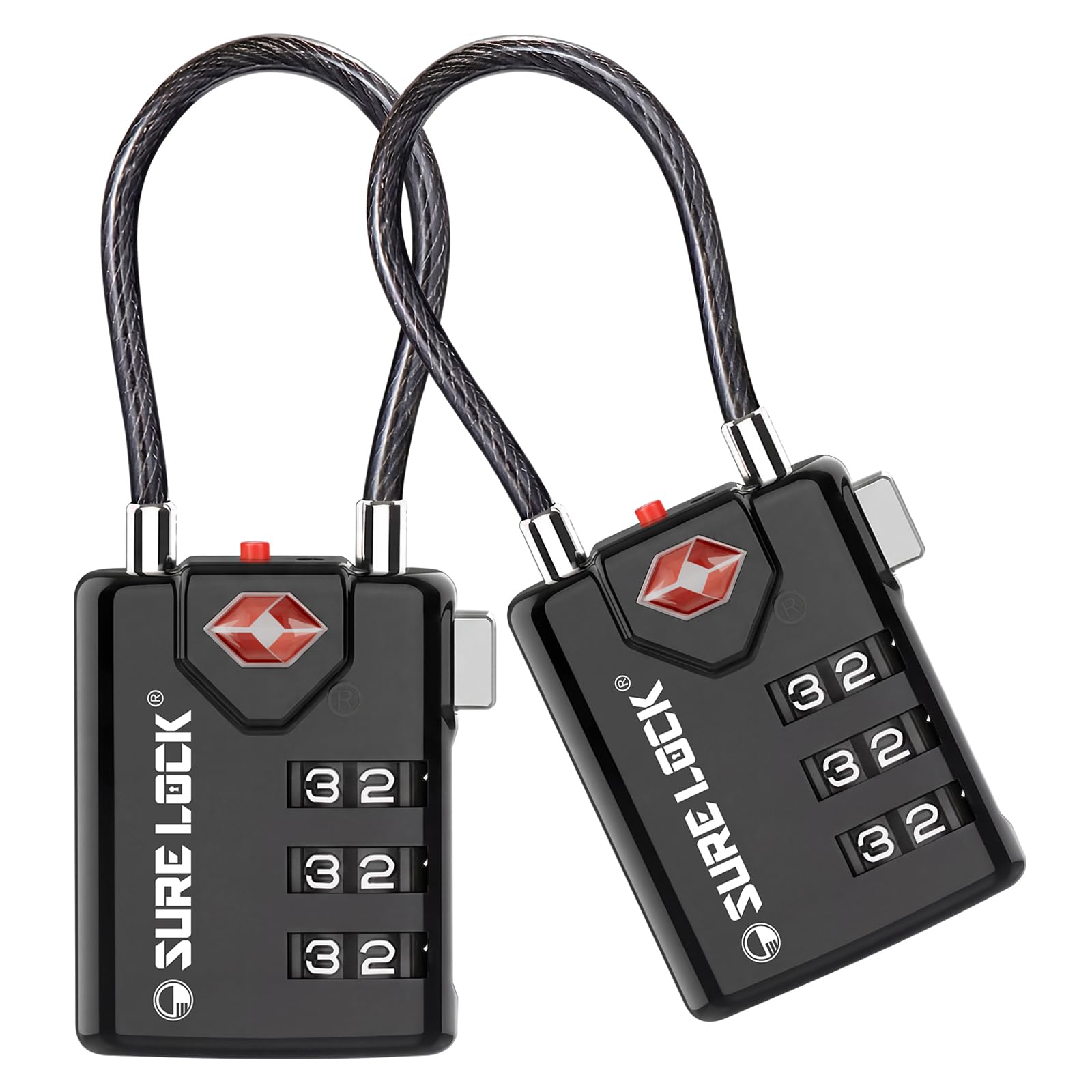 SURE LOCK TSA-Approved Luggage Locks (2-Pack)
on Amazon
 The Sierra Satchel
$59.99