
By Porter Lang
Most craft origin stories involve a workshop. Nantucket’s most famous one involves a lightship anchored several miles offshore, and I found that detail genuinely hard to stop thinking about once I understood it properly.
The South Shoal Lightship sat off Nantucket starting in the late 1860s, warning vessels away from the dangerous shoals that have wrecked ships here for centuries. Crews stationed aboard it for long stretches needed something to do with the dead time between watches, and Thomas S. James, a former whaler serving on the ship, brought basket-weaving skills he’d picked up during his whaling years. The technique spread through the crew, and what started as a way to pass idle hours at anchor became, within a couple of decades, a recognizable local craft with its own name.
The construction is specific enough that I want to lay it out plainly, because it’s what separates a genuine lightship basket from an ordinary woven one: a wooden mold establishes the shape, rattan staves run vertically around it, thinner cane weaves horizontally between the staves, and a solid wood disc forms the base — oak, ash or hickory for the staves in the earliest examples, pine or mahogany underneath. By 1894, a written account put local sales at roughly five hundred baskets sold through Nantucket’s own stores each summer, made largely by the same men who’d learned the craft afloat.
That offshore chapter didn’t last. The federal government banned basket-making aboard lightships sometime before 1916, and the craft moved permanently onto the island, into workshops and homes rather than the deck of an anchored ship. I wanted to understand why the ban happened — whether it was a safety concern, a labor issue, or something else — and the honest answer is that I couldn’t find a clearly documented reason in the sources I was able to verify. What is documented is the effect: the craft survived the ban intact, just relocated.
Its most significant modern chapter came after the Second World War, when José Formoso Reyes began experimenting with the form in ways the original lightship crews never had reason to. He added hinged lids, new proportions, and carved ivory or wood ornaments on top, creating the covered “Friendship basket” style that most people now picture when they hear the term — a purse as much as a basket, and a genuinely different object from the open utility baskets the original crews wove for their own use.
Nantucket’s cobblestone streets still hold shops selling baskets at prices that reflect real scarcity and real skill, and it’s worth remembering that the whole tradition started as a way for bored sailors to fill the hours between shifts on a boat that never actually went anywhere. I don’t have a confirmed list of current makers I could point Sephari readers toward directly — the collector’s market for these baskets is serious enough, and counterfeiting concerns real enough, that verifying a maker properly takes more time than one piece allows.
If you weave baskets on Nantucket, the process for getting listed is at /sell-with-sephari/
Shop Sephari Picks
As an Amazon Associate we earn from qualifying purchases. Some items below are sponsored affiliate products.
 Wanderer Leather Trolley Suitcase
$350.00
 Leather Carry-On Trolley Bag
$499.00
 The Peterson Leather Duffle
$140.00
Ad
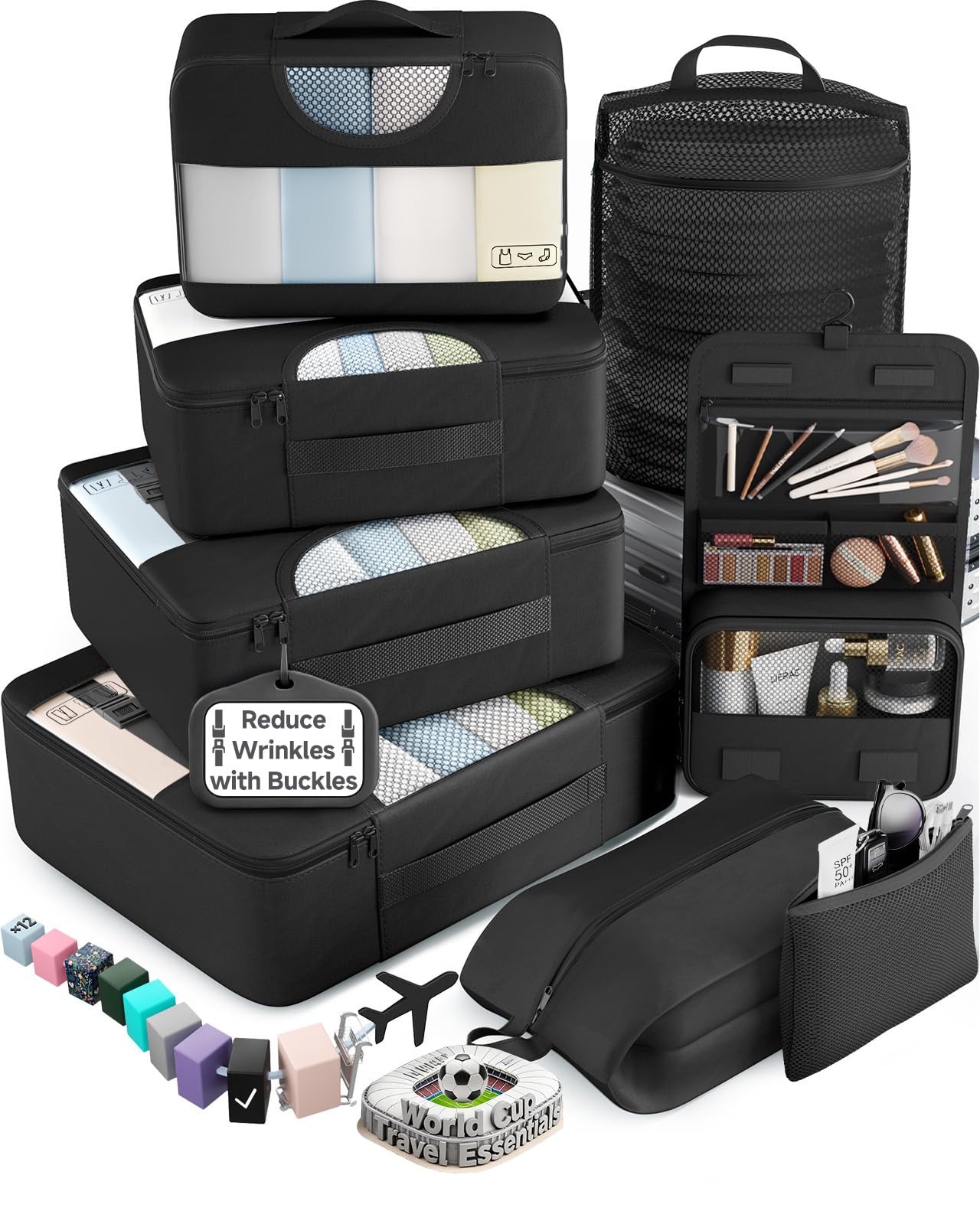 Veken 8-Set Packing Cubes for Travel
on Amazon
 Tan Leather Trolley Bag 44L
$240.00
 Traveler Weekender Duffle
$120.00
 Walker Leather Weekender Bag
$130.00
Ad
 Ringsun Genuine Leather Luggage Tags (2-Pack)
on Amazon
 Nocona Hiker Men's Belt
$42.00
 Waterline Braided Belt
$35.00
 Teddy Cattleman Cowboy Hat
$156.00
Ad
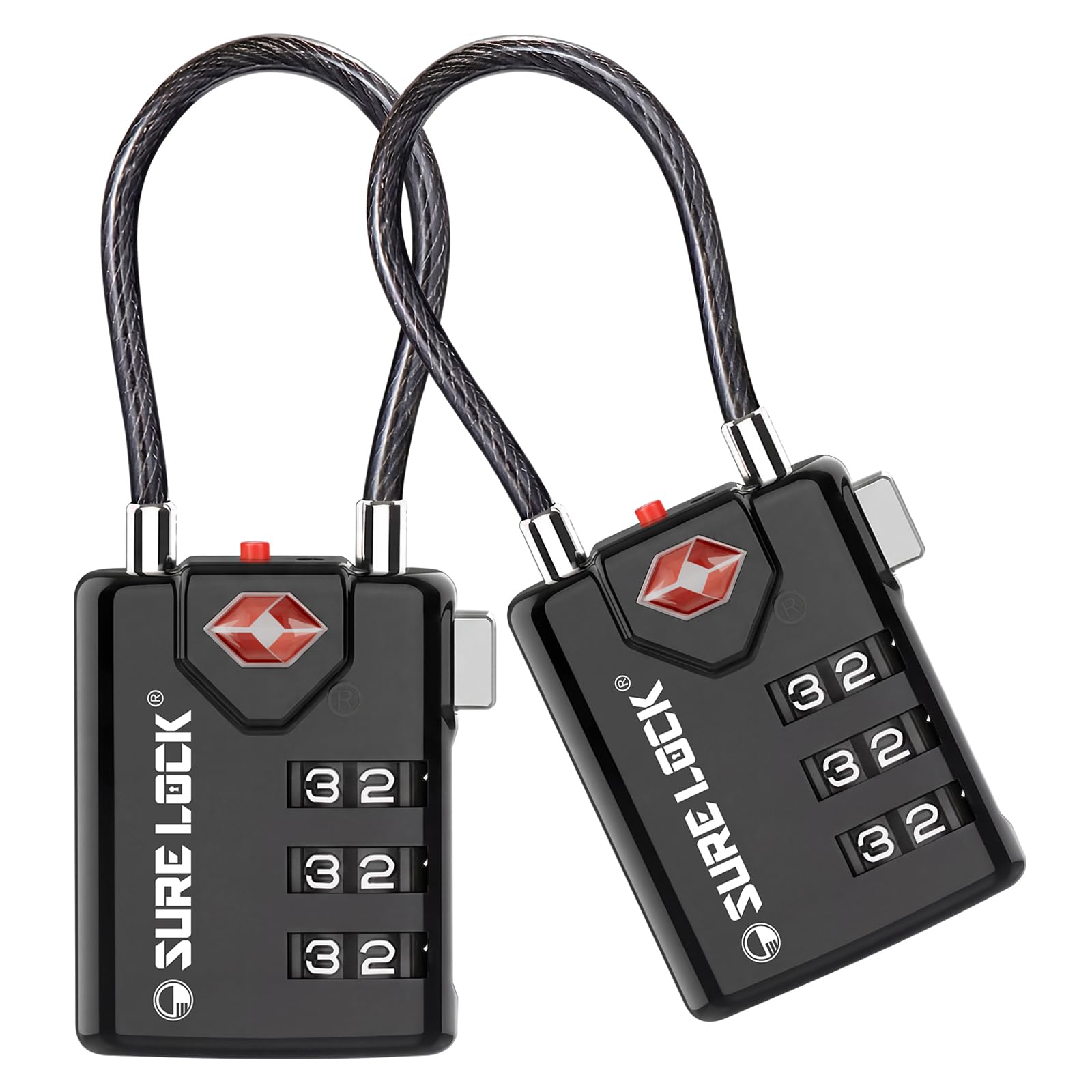 SURE LOCK TSA-Approved Luggage Locks (2-Pack)
on Amazon
 The Sierra Satchel
$59.99