
A Bohemian glassworks and a Polish pottery town. Two places where you can watch the work before you look at anything for sale.
Central Europe has a long habit of making tableware for kings and kitchens alike. Two places still let a traveller walk in and see how it is done: a glassworks in the Czech town of Karlovy Vary and the pottery town of Bolesławiec in south-western Poland. Each is worth the detour on its own. Together they make a slow week.
Moser, Karlovy Vary: from engraving bench to glassworks
Moser began in 1857, when Ludwig Moser opened a small workshop in Karlovy Vary, then called Karlsbad. At first it only polished and engraved glass blanks that other factories made. Over time it began designing and making its own art glass. By 1873 Moser was an official supplier of glass to the imperial court of Franz Joseph I in Vienna. Later clients included King Edward VII of England. The company’s slogan, “the king of glass,” dates from 1869.
In 1893 Ludwig took over a glass factory in Dvory, now part of Karlovy Vary, and turned the business into a full glassworks where his sons also worked. After 1915 his son Leo brought coloured glass into regular production and gave the colours gemstone names like amethyst, topaz and sapphire.
Moser describes its glass as hand-blown, hand-cut and hand-engraved. The company invites visitors to the glassworks to watch molten lead-free glass being shaped, and to the Moser Museum, which covers decades of its history. It also keeps shops in Karlovy Vary and Prague. Book the glassworks visit through Moser’s own site, then give yourself time to walk the town.
Bolesławiec, Poland: the town of ceramics
Bolesławiec, known in German as Bunzlau, is often called Miasto Ceramiki, the Town of Ceramics. The area is rich in natural clay, a remnant of an ancient sea, and the clay is still dug today. It fires into stoneware: sturdy and vitreous. Potters here formed a guild around the start of the 17th century. The earliest surviving pieces, mostly from the early 1700s, are brown-glazed pitchers and jugs, often marked with the potter’s initials and a date.
The look most people know now is white or cream stoneware with cobalt blue dots, abstract florals and the “peacock’s eye” motif. Authentic Bolesławiec pottery is stamped “Hand made in Poland” on the bottom. When a ceramic artist is judged accomplished enough to make a piece from start to finish and sign it, the piece is stamped UNIKAT. Those pieces are rarer. The largest collection of the town’s pottery is in the Museum of Ceramics in Bolesławiec itself.
You can also see the making. Zakłady Ceramiczne Bolesławiec publishes factory-tour information, and Manufaktura w Bolesławcu runs its Living Museum of Ceramics with guided visits. Book through their own pages, and look at a kiln before you look at a shelf.
Putting it together
Karlovy Vary and Bolesławiec aren’t on one straight line, but each fits a wider trip: Moser has a shop in Prague, and Bolesławiec is in Lower Silesia. What they share is a craft you can watch, a history you can check, and objects that make more sense once you have seen the furnace or the kiln.
Sephari is a curator, not a stockist. We send you to the source. Roam first. Shop later.
Like what you see here?
Browse our curated collection of travel-ready gear and accessories, vetted and ready to ship.
Shop Curated Travel Finds →Shop Sephari Picks
As an Amazon Associate we earn from qualifying purchases. Some items below are sponsored affiliate products.
 Wanderer Leather Trolley Suitcase
$350.00
 Leather Carry-On Trolley Bag
$499.00
 The Peterson Leather Duffle
$140.00
Ad
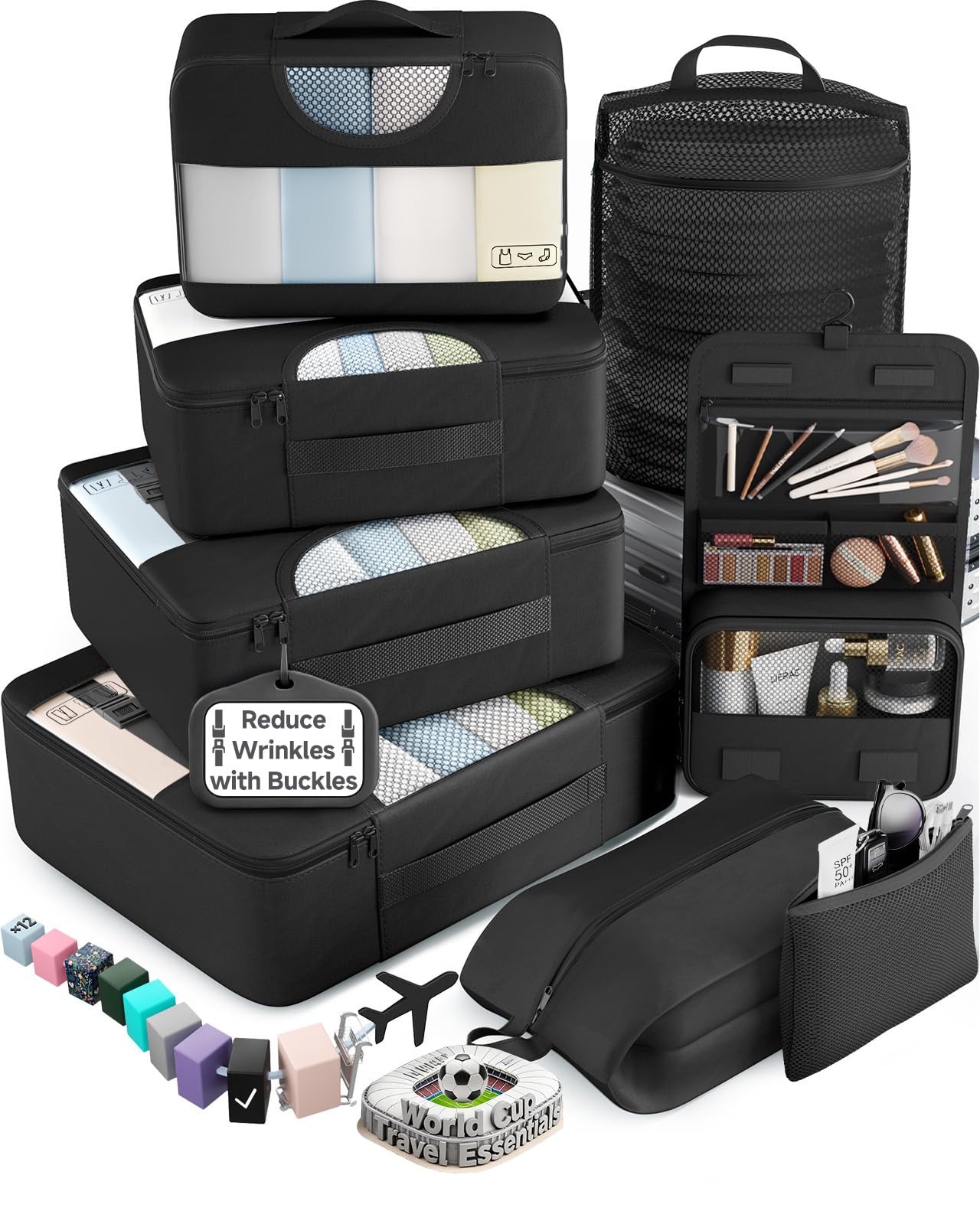 Veken 8-Set Packing Cubes for Travel
on Amazon
 Tan Leather Trolley Bag 44L
$240.00
 Traveler Weekender Duffle
$120.00
 Walker Leather Weekender Bag
$130.00
Ad
 Ringsun Genuine Leather Luggage Tags (2-Pack)
on Amazon
 Nocona Hiker Men's Belt
$42.00
 Waterline Braided Belt
$35.00
 Teddy Cattleman Cowboy Hat
$156.00
Ad
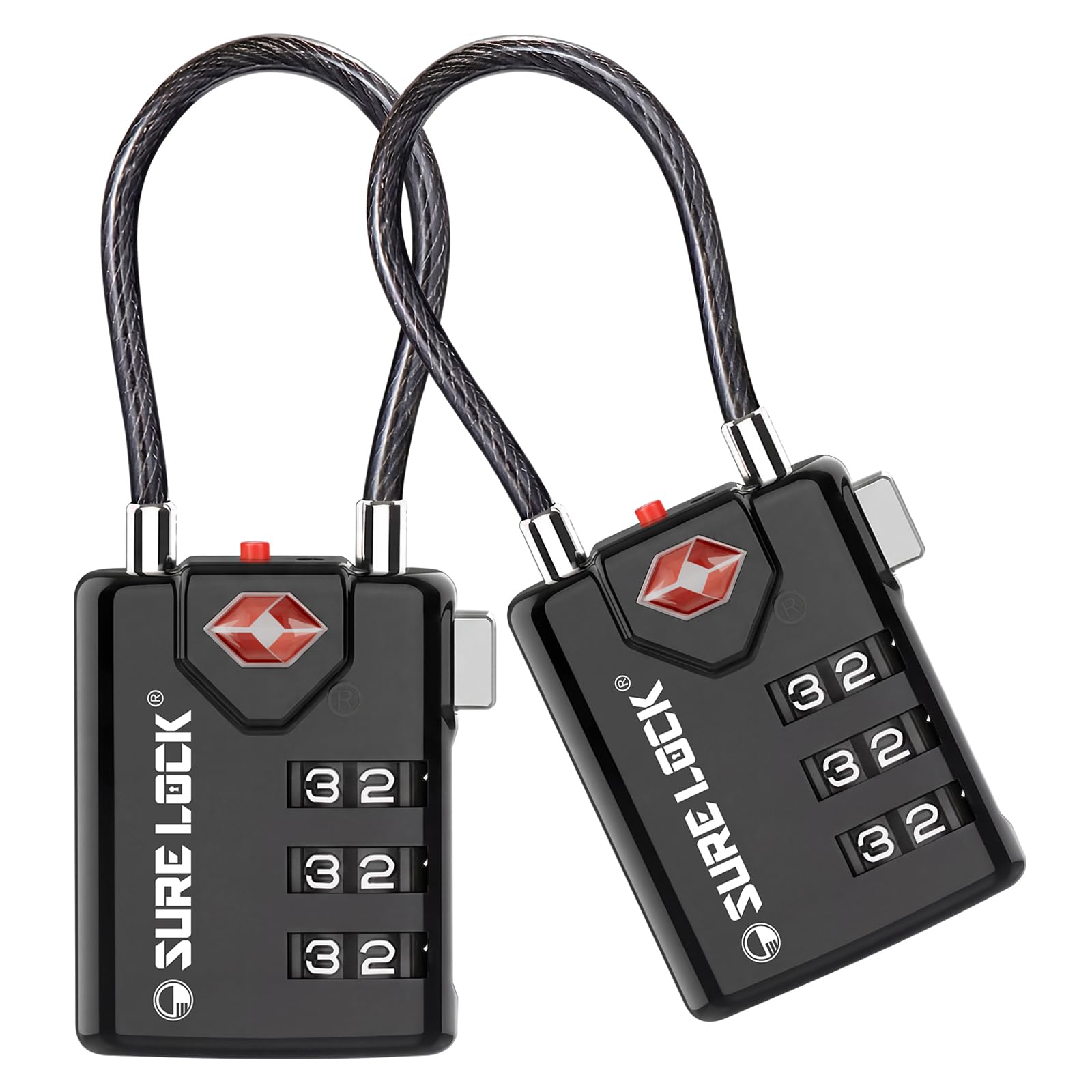 SURE LOCK TSA-Approved Luggage Locks (2-Pack)
on Amazon
 The Sierra Satchel
$59.99