
A Swedish glass town, a Norwegian lakeside glassworks, a Finnish ironworks village and an Icelandic waterfall mill. In all four, the making is the reason to travel.
Most Nordic trips are planned around light, water and cities. This one is planned around four places where people have made useful, beautiful things for centuries, and where you can still stand in the room where the work happens. Go for the landscape and the workshop. Buy something only after you understand where it came from. Roam first. Shop later.
Kosta, Sweden: a town named after its glassworks
In Småland there is a town called Kosta, and it is named after the company that made it. Kosta Glasbruk was founded in 1742 by two officers in Charles XII’s army, Anders Koskull and Georg Bogislaus Staël von Holstein. The name joins the first letters of their surnames. Today the company works as Kosta Boda and still makes art glass and tableware.
The region around it has become known as the Kingdom of Crystal, a tourist area. That tells you something: this is glass country, not one factory. Kosta has worked with a long line of Swedish designers. In the 1950s its artistic director, Vicke Lindstrand, commissioned the architect Bruno Mathsson to design buildings there, including a row of terraced workers’ houses, the Kosta Glashus, now a protected building monument. Kosta glass sits in collections from Stockholm’s National Museum to the Metropolitan Museum and the Museum of Modern Art in New York.
Before you go, read the company’s own pages on visiting the glassworks and its stores, and plan around them. Walk the town, look at the workers’ houses, and only then look at the shelves.
Hadeland Glassverk, Norway: a day north of Oslo
Hadeland Glassverk sits in Jevnaker, about 40 kilometres north of Oslo, at the southern tip of Lake Randsfjorden. The glassworks was founded in 1762 on land belonging to the Mo estate, and production started in 1765. Norway had no skilled glassmakers then, so craftsmen were recruited from abroad, mostly from Germany. The first output was practical: bottles, chemists’ jars, medicine bottles and household glass.
Today Hadeland runs production alongside a visitor centre. It also keeps a development section where visiting artists can make their own glasswork, so the site is still working, not just a museum. The glassworks’ “Besøk oss” (visit us) pages list opening hours, activities, shops and restaurants. Check them before you leave the city.
It makes an easy day out from Oslo: lake, glass, lunch, back by evening.
Fiskars Village, Finland: iron, then artists
Fiskars is a village in Pojo, in the municipality of Raseborg, and it is where the Fiskars company began. The Fiskars ironworks, Fiskars Bruk, was founded in 1649. Over time its factories and workshops turned out everything from scissors and puukko knives to ploughs. The village’s best-known building is a mansion designed in 1818 by the Italian-born architect Charles Bassi.
Many of the people who live there now are artisans and artists. Fiskars is busiest in summer. In winter it still runs exhibitions, workshops and shops, plus places to eat and stay. The village’s own site puts it about 74 minutes by car from Helsinki, 86 minutes from Turku, or a 40-minute bike ride from Karjaa train station.
If you only have one slow day in southern Finland, the ride from Karjaa is a good one: you reach the makers under your own power and see the river and the old works buildings before any shop window.
Álafoss, Iceland: wool at the waterfall
Álafoss is a waterfall on the river Varmá in Mosfellsbær, on the edge of greater Reykjavik. A wool factory of the same name has stood beside it since 1896, when a local farmer brought in machinery to process wool using the waterfall’s power. The mill played a major part in the founding and growth of Mosfellsbær itself.
Today the Álafoss Wool Store at Álafossvegur 23 sells Icelandic knitting yarn, hand-knit sweaters and other wool goods, under the line “since 1896.” Go for the waterfall first. It is the reason the business exists, and the reason the town grew there.
How to use this loop
These four places are not one itinerary. They are four anchors you can add to trips you might already be taking: Stockholm or Copenhagen for Småland, Oslo for Hadeland, Helsinki for Fiskars, Reykjavik for Álafoss. Each one gives you a working place, a history you can check, and a reason to slow down.
Sephari curates places and makers like these. We do not claim to stock them. When we point you somewhere, it’s because the making is real and the trip is worth it. Find it. Flow it.
Like what you see here?
Browse our curated collection of travel-ready gear and accessories, vetted and ready to ship.
Shop Curated Travel Finds →Shop Sephari Picks
As an Amazon Associate we earn from qualifying purchases. Some items below are sponsored affiliate products.
 Wanderer Leather Trolley Suitcase
$350.00
 Leather Carry-On Trolley Bag
$499.00
 The Peterson Leather Duffle
$140.00
Ad
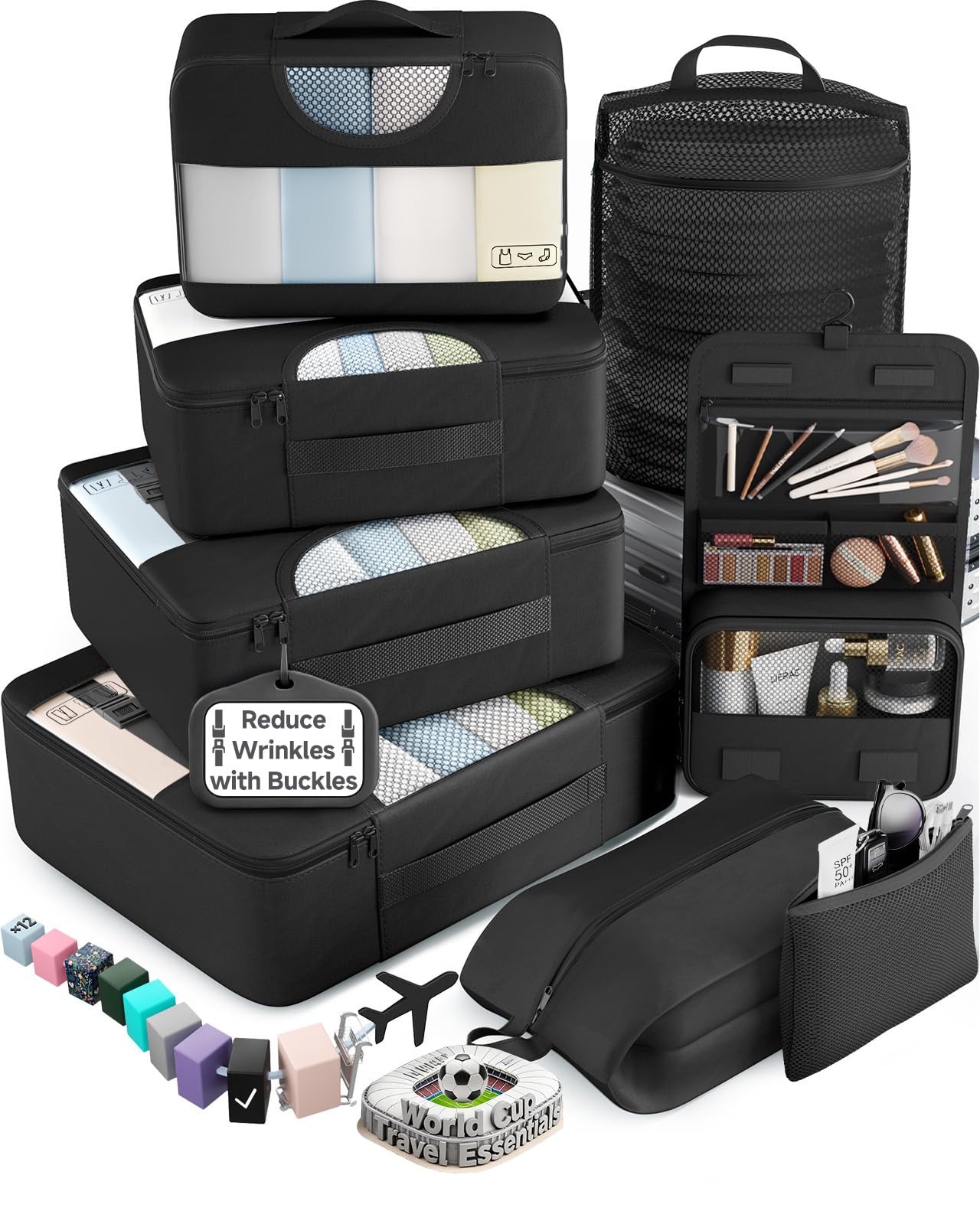 Veken 8-Set Packing Cubes for Travel
on Amazon
 Tan Leather Trolley Bag 44L
$240.00
 Traveler Weekender Duffle
$120.00
 Walker Leather Weekender Bag
$130.00
Ad
 Ringsun Genuine Leather Luggage Tags (2-Pack)
on Amazon
 Nocona Hiker Men's Belt
$42.00
 Waterline Braided Belt
$35.00
 Teddy Cattleman Cowboy Hat
$156.00
Ad
 SURE LOCK TSA-Approved Luggage Locks (2-Pack)
on Amazon
 The Sierra Satchel
$59.99