

As an Amazon Associate, Sephari earns from qualifying purchases. This guide is informational and reflects Amazon’s policies at time of publishing — always confirm current terms on Amazon before purchasing.
Sephari started with a simple idea: buying something handmade or imported from another country shouldn’t feel like a gamble. Here’s the plain-English version of how it actually works when you buy an imported or artisan-made item through Amazon, and what actually protects you as a buyer.
Who you’re actually buying from
Most of the imported and handmade goods we feature aren’t sold directly by Amazon — they’re sold by a third-party seller or a small brand (a cooperative, a family workshop, an independent importer) using Amazon’s marketplace and fulfillment network. Amazon’s product page tells you who the seller is; look for “Sold by” under the buy box. That seller is who fulfills the order, but Amazon still enforces the rules.
What actually protects you as the buyer
Amazon’s A-to-z Guarantee covers purchases from third-party sellers when an item doesn’t arrive, arrives damaged, or is materially different from the listing. If a seller doesn’t resolve the issue, you can file an A-to-z claim directly with Amazon and get refunded — you are not stuck negotiating with an overseas seller on your own. Returns for most physical goods follow Amazon’s standard return window (usually 30 days) regardless of where the item shipped from, unless the listing states a handmade/custom exception.
Customs, duties, and why the price you see is usually the price you pay
For items sold and shipped through Amazon’s US marketplace, import duties and customs fees are typically built into the item price or handled by the seller/Amazon before it reaches you — you generally shouldn’t get a surprise customs bill at the door. That’s different from ordering directly from an overseas website, where customs charges often get billed separately after the fact. This is one of the main reasons buying imported goods through an established marketplace is safer than ordering direct from an unfamiliar foreign site.
How to tell genuine artisan-made from mass-produced “handmade”
A few things we personally check before featuring an item:
The listing names a real place or maker. “Hand-woven by women in Bolgatanga, Ghana” is a specific, checkable claim. “Handmade boho decor” with no origin story is a generic template used by thousands of dropship listings.
Slight variation between units is a good sign, not a flaw. Genuinely hand-blown glass, hand-woven baskets, and hand-hammered metal will never be perfectly identical. If every unit in the photos is pixel-identical, it was likely molded or machine-made regardless of what the title says.
Check who the brand actually is. Fair Trade cooperatives and small import brands (the kind we link to in our Import & Sourcing Guides posts) usually have their own consistent storefront and a real story across multiple listings — not just one item that appeared overnight.
What this means for you
The short version: buying an imported or handmade item through Amazon gives you the same return window, buyer protection, and payment security as any other Amazon purchase, while still getting you something made by an actual person or small workshop overseas instead of a factory template. That’s the balance we’re trying to highlight in this category — real sourcing stories, with the safety net still intact.
Browse our other Import & Sourcing Guides picks to see it in practice.
Reading this from the UK? We now have a dedicated site for you — sephari.co.uk, priced in pounds and built for UK buyers.
Like what you see here?
Browse our curated collection of travel-ready gear and accessories, vetted and ready to ship.
Shop Curated Travel Finds →Shop Sephari Picks
As an Amazon Associate we earn from qualifying purchases. Some items below are sponsored affiliate products.
 Wanderer Leather Trolley Suitcase
$350.00
Wanderer Leather Trolley Suitcase
$350.00
 Leather Carry-On Trolley Bag
$499.00
Leather Carry-On Trolley Bag
$499.00
 The Peterson Leather Duffle
$140.00
Ad
The Peterson Leather Duffle
$140.00
Ad
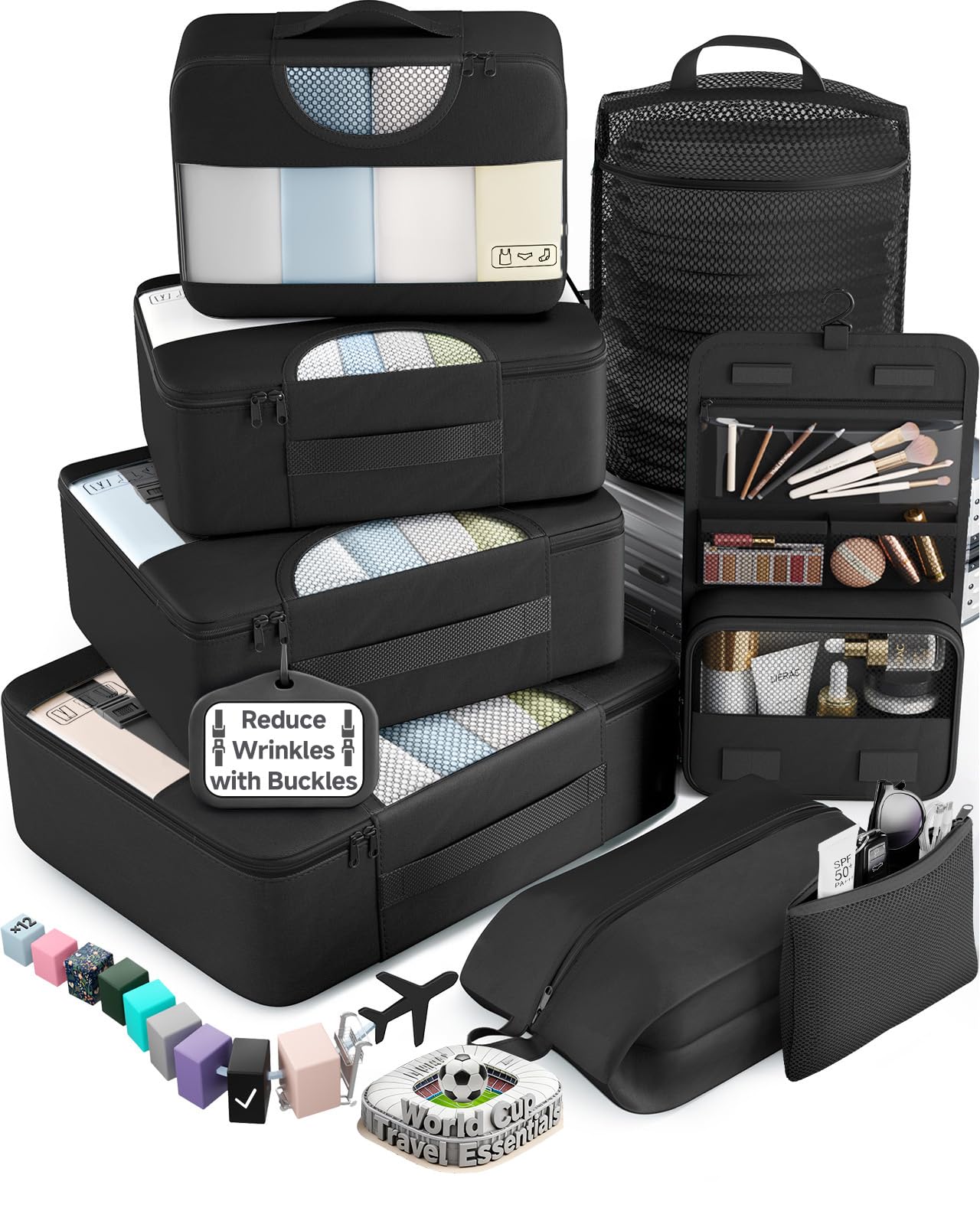 Veken 8-Set Packing Cubes for Travel
on Amazon
Veken 8-Set Packing Cubes for Travel
on Amazon
 Tan Leather Trolley Bag 44L
$240.00
Tan Leather Trolley Bag 44L
$240.00
 Traveler Weekender Duffle
$120.00
Traveler Weekender Duffle
$120.00
 Walker Leather Weekender Bag
$130.00
Ad
Walker Leather Weekender Bag
$130.00
Ad
 Ringsun Genuine Leather Luggage Tags (2-Pack)
on Amazon
Ringsun Genuine Leather Luggage Tags (2-Pack)
on Amazon
 Nocona Hiker Men's Belt
$42.00
Nocona Hiker Men's Belt
$42.00
 Waterline Braided Belt
$35.00
Waterline Braided Belt
$35.00
 Teddy Cattleman Cowboy Hat
$156.00
Ad
Teddy Cattleman Cowboy Hat
$156.00
Ad
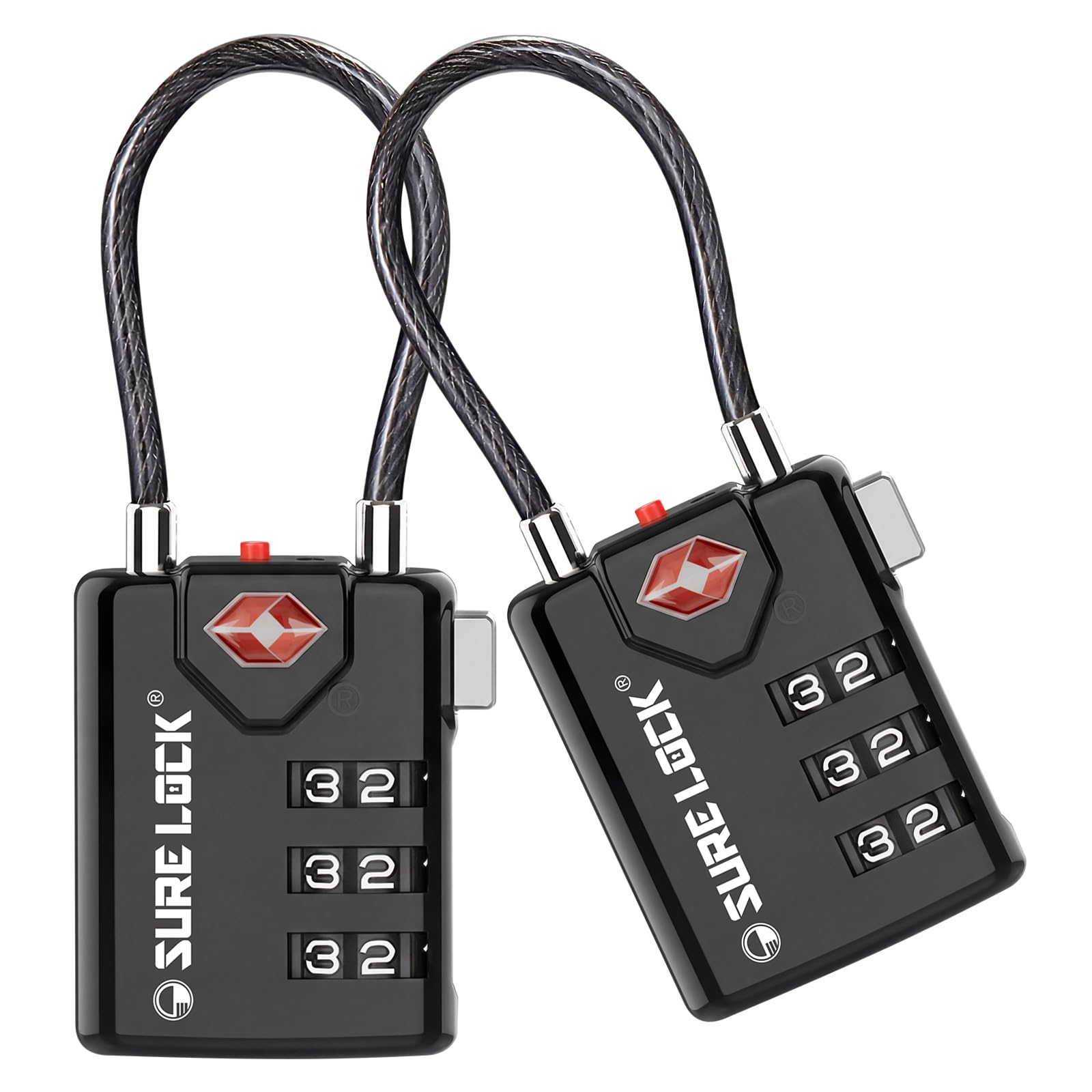 SURE LOCK TSA-Approved Luggage Locks (2-Pack)
on Amazon
SURE LOCK TSA-Approved Luggage Locks (2-Pack)
on Amazon
 The Sierra Satchel
$59.99
The Sierra Satchel
$59.99